How to Level a Very Uneven Lawn: Topdress or Regrade?
Topdress a very uneven lawn only when the base grade is still correct and the low spots are shallow, about 1/2 in to 1 in; regrade when settlement, pooling water, or slope failure makes the lawn structurally wrong. Bad grading leaves puddles, thin turf, mower scalping, and repeated repair costs. This guide shows how to tell the difference, measure the problem, and choose the right fix.
What you’ll need
- Mower for cutting the turf low before leveling.
- Rake for clearing leaves, clippings, and loose debris.
- Power dethatcher or metal rake for thick thatch.
- Laser level or straight board for spotting grade changes and marking low spots.
- Marking flags or stakes to tag dips, ridges, and wet areas.
- Leveling rake to spread loam or a leveling mix across turf.
- Screened topsoil for minor leveling and seed-to-soil contact.
- Washed sand for low spots and drainage-friendly leveling, if the soil texture fits.
- Compost for blending with soil when the lawn needs finer material and moisture retention.
- Soil blend matched to native soil and grass type; one common example is 40% fine sand, 40% topsoil, and 20% compost.
- Seed, peat moss, and sod-handling tools for repaired areas that need reestablishing.
How do you inspect the lawn?
Use a laser level or a straight board to find grade changes, then mark each low spot before moving soil. Check where water pools, where runoff goes, and whether the same dips return after rain. Before any digging, look for irrigation leaks, buried pipes, and lighting wires.
Check the surface first
Lay the straight board across the lawn and look for gaps under it. A laser level gives a clearer read on broad slope changes. This step separates a cosmetic dip from a lawn that tilts the wrong way.
Map water and settlement
Standing water after rain often points to a grading problem, not just a surface bump. Repeated settlement near patios, driveways, or foundation edges needs a closer look because the fix may require fill soil, not a thin topdressing layer.
Look before you dig
Drainage and utilities matter before any fill work. A low spot can come from water movement, a leak, or soil settlement over buried lines. If the turf is thin and the same place keeps sinking, the problem is structural, not cosmetic.
Should I topdress or regrade?
Topdress when the lawn is mostly sound and the low spots are shallow. Regrade when unevenness is broad, settlement is significant, or drainage is wrong. A thin cover can smooth small dips, but it cannot correct a lawn that slopes the wrong direction or keeps holding water.
Say your roughly 12 ft by 12 ft front lawn has a few shallow hollows after winter. If each dip is about 1 in or less and the turf is healthy, topdressing is the lighter fix. Suppose the backyard has a roughly 20 ft by 20 ft area that puddles after storms and the soil keeps sinking near a patio. That calls for regrading.
| Low-spot depth | Affected area size | Standing-water symptoms | Turf condition | Recommended fix | Risk if ignored |
|---|---|---|---|---|---|
| About 1/2 in to 1 in | Small, scattered dips | None or only brief damp spots | Healthy turf that can keep growing through a thin cover | Topdress in thin layers | Scalping, bumping, and a rough mow |
| About 1 in to 2 in | Localized settled spots | Minor pooling after rain | Turf is present but uneven | Lift sod if needed, add fill soil, then reset turf | Repeated settling and buried grass crowns |
| Broad changes across the yard | Large sections | Frequent standing water or runoff toward the wrong area | Patchy or stressed turf | Regrade with fill soil or loam before resetting turf | Persistent drainage failure and turf decline |
| Severe or repeated settlement | One or more large failure zones | Water collects in the same place every rain | Failed turf that needs reset | Remove sod, rebuild the grade, then seed or reinstall sod | Ongoing sinkage and failed repairs |
What material should I use to level low spots in a lawn?
Use screened topsoil for minor leveling, washed sand for drainage-friendly fill, or a blend when the native soil and grass type call for something in between. Many homeowners use a soil mix such as 40% fine sand, 40% topsoil, and 20% compost. Keep the mix fine-textured and avoid material that smothers turf.
Match the mix to the soil
Heavy clay does not always want a sand-heavy topdress, and sandy turf does not always need more sand. The goal is a blend that fits the native soil, drains well, and still supports roots. Bagged topsoil and compost in a 2-to-1 ratio is another common repair mix.
Keep the layer thin
Topdressing should be applied in thin layers, and a common rule of thumb is to do it over multiple passes. A layer of material 1/4 inch or less is the safer starting point, and many guides say no more than about 1/2 inch of soil mix should be spread at a time. More than that can smother grass.
How do you level the lawn?
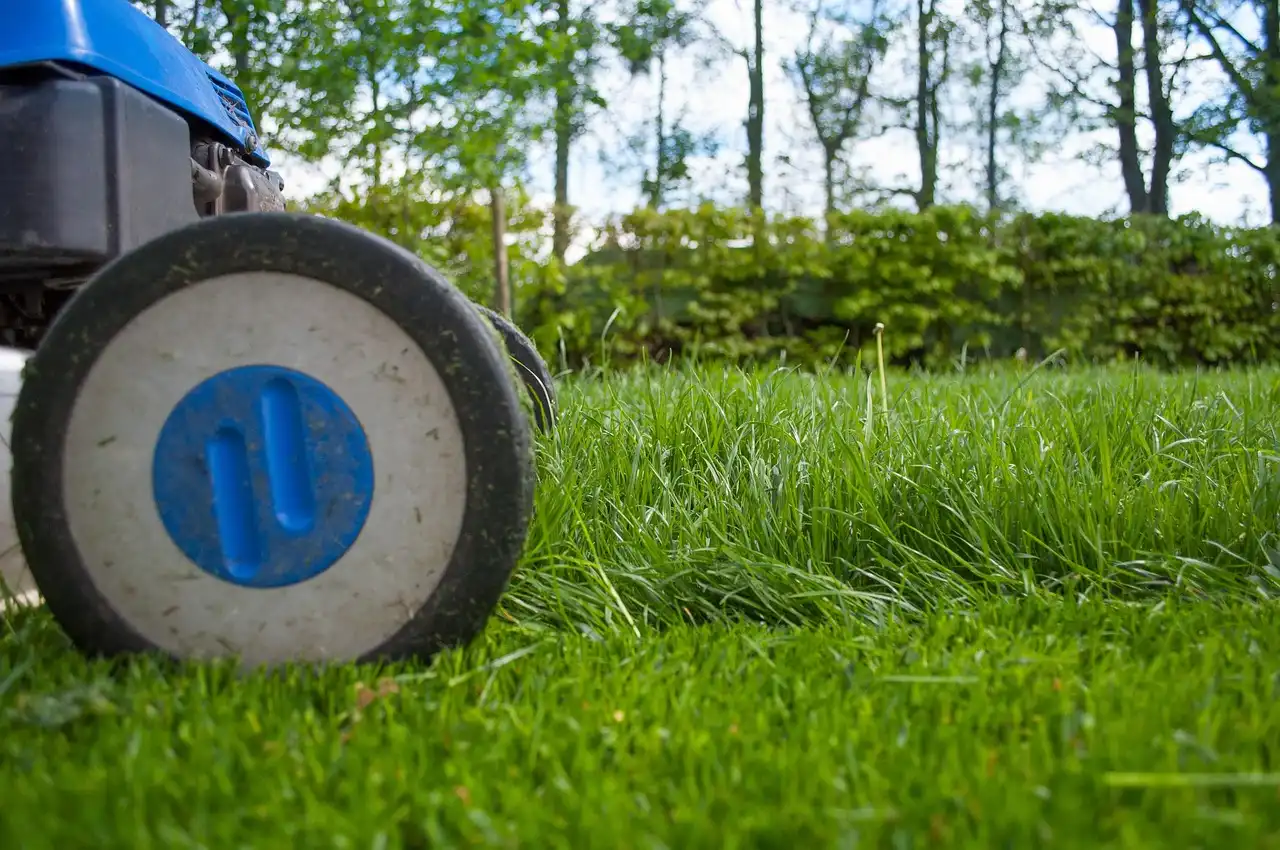
Mow low, clear debris, dethatch if the thatch layer is thick, and spread the right mix in thin layers. Topdress only enough to fill the low spots without burying the grass. If the area is larger or the grade is wrong, switch to regrading rather than piling on more material.
- Mow low and clear debris. Short grass exposes dips and helps soil reach the surface.
- Dethatch if needed. Use a power dethatcher or metal rake when thatch is thick, because soil needs contact with the crown and roots.
- Spread the mix in a thin pass. Use screened topsoil, washed sand, compost, or a blend, and feather edges with a leveling rake.
- Add no more than 1/4 inch to 1/2 inch at a time. Recheck after settling before adding another layer.
- Water lightly, then wait. A short soak settles the material and, if you seeded, helps germination start.
- Seed or patch bare areas. For larger repaired sections, overseed or reset sod where the turf cannot recover through the fill.
When do you need to lift sod and add fill soil?
Lift sod when the lawn has settled by 1 inch or more, when a small hole is deep enough that topdressing would bury the grass, or when the same spot keeps sinking. Dips deeper than 1 to 2 inches may require lifting sod and adding fill soil before the turf goes back down.
Some repair methods call for a 2-inch-thick layer of bagged topsoil and compost, but that kind of fill belongs under reset turf, not spread across healthy grass. A deeper, but small, hole can be filled with soil and allowed to grow in if the surrounding grade is still sound.
When should peat moss or seed come in?
If the repair includes bare soil, seed after the grade is set, then use peat moss over seed in some workflows to hold moisture during germination. This makes sense when the turf has to grow back from scratch after regrading or after a large patch is reset.
Common mistakes
Adding too much soil at once is the fastest way to smother turf. A thicker layer blocks light and air, and it can bury the crown. If a spot still looks low after one pass, wait for settling, then add another thin layer.
Using the wrong mix is another common error. A sand-heavy blend may not suit the native soil or grass type, and a fine, wet mix can seal the surface. Skipping drainage checks before filling low spots can also hide the real problem.
Do not try to fix true grade problems with a roller. A roller does not correct settlement or slope failure, and it may compact the surface without fixing the cause.
Topdressing is the lower-labor option because it works in thin layers and can often be repeated without disturbing the whole lawn. Regrading takes more labor because turf may need to be lifted, fill soil or loam added, and the surface reset. It is the better choice when the grade itself is wrong.
Think about the area near a foundation, patio, or driveway first. That is where water direction matters most. The goal of leveling is still to keep water moving away from the house.
Frequently asked questions
Should I topdress or regrade a very uneven lawn?
Topdress only if the low spots are shallow and the base grade still works. Regrade if the lawn has broad hills and valleys, recurring settlement, or water moving the wrong way. A quick straight-board check will usually show which side of that line your yard is on.
How deep can low spots be before topdressing stops working?
About 1 inch is the practical upper edge for a simple topdress on a healthy lawn. Dips deeper than 1 to 2 inches may need sod lifted and fill soil added first. Anything deeper risks burying the grass rather than leveling it.
Will topdressing kill grass if I add too much soil?
Yes, if the layer is too thick. Keep each pass to 1/4 inch or less, and stay under about 1/2 inch of soil mix at a time. Anything thicker can smother the turf and block new growth from reaching light.
Can I fix an uneven lawn without reseeding or new sod?
Yes, if the unevenness is shallow and the turf is still healthy. Thin topdressing can smooth minor dips while the grass grows through it. If the area is bare, heavily settled, or structurally wrong, reseeding or new sod is usually part of the repair.
How do I know if poor drainage means I need regrading?
If water stands after rain, runs toward the house, or collects in the same spot every time, regrading is usually the right direction. Surface dressing will not correct a slope that sends water the wrong way. Check the grade with a laser level before you add fill.
Can I level a bumpy lawn with a roller?
No. A roller is discouraged for leveling lawns because it does not fix settlement or drainage errors. It can compact the surface, but it will not rebuild grade. Use topdressing for shallow dips or regrading for deeper, broader problems.
How much topdressing can I apply at one time?
Keep it to 1/4 inch or less per pass, and do not exceed about 1/2 inch of soil mix at a time. Add more only after the first layer settles. That approach lowers the chance of smothering grass and keeps the repair controlled.
What should I do if the lawn keeps settling again?
Check for a drainage problem, a leak, or poorly compacted fill before you repeat the surface fix. If the same low spot keeps returning, remove the turf in that area, rebuild the grade with fill soil or loam, and reset the grass. Repeated topdressing will not solve ongoing settlement.