Brick vs Concrete vs Stone Pavers: How Thickness Differs
Brick and concrete pavers are usually about 2 3/8 in thick; natural stone pavers vary more, often 1 to 3 in, so thickness is matched to use and subbase, not material alone. Manufacturer and installation guidance commonly places standard pedestrian pavers around 60 mm, while stone associations and quarry specs note greater thickness variation by type and cut. Use the wrong thickness and you invite trip edges, drainage trouble, or a surface that fails under traffic. This guide compares thickness, load use, installation tolerance, and height transitions for patios, walkways, driveways, and overlays.
| Brick | Concrete | Stone | Winner |
|---|---|---|---|
| Typically around 2 3/8 in; kiln-fired clay; rectangular units are common | Commonly 2 3/8 in for pedestrian use; uniform sizing is a strong point | Often 1 to 3 in, with wider variation by type and cut | Concrete for predictable sizing |
| Works for walks, patios, and some driveways when the full system is built correctly | Standard thickness is offered for driveways, walkways, and patios | Often used for patios and pool decks; driveway use depends on thickness and setting method | Concrete for broad use range |
| More detailed edge fitting if units run slightly irregular | Easier layout and faster setting because dimensions are more uniform | More sorting, shimming, and cutting when thickness varies | Concrete for installation ease |
| Overlay use can work if final height and thresholds are checked carefully | Common choice for overlays when height change is controlled | Overlay work is possible, but variable thickness makes transitions harder | Concrete for overlays |
How paver thickness varies by material
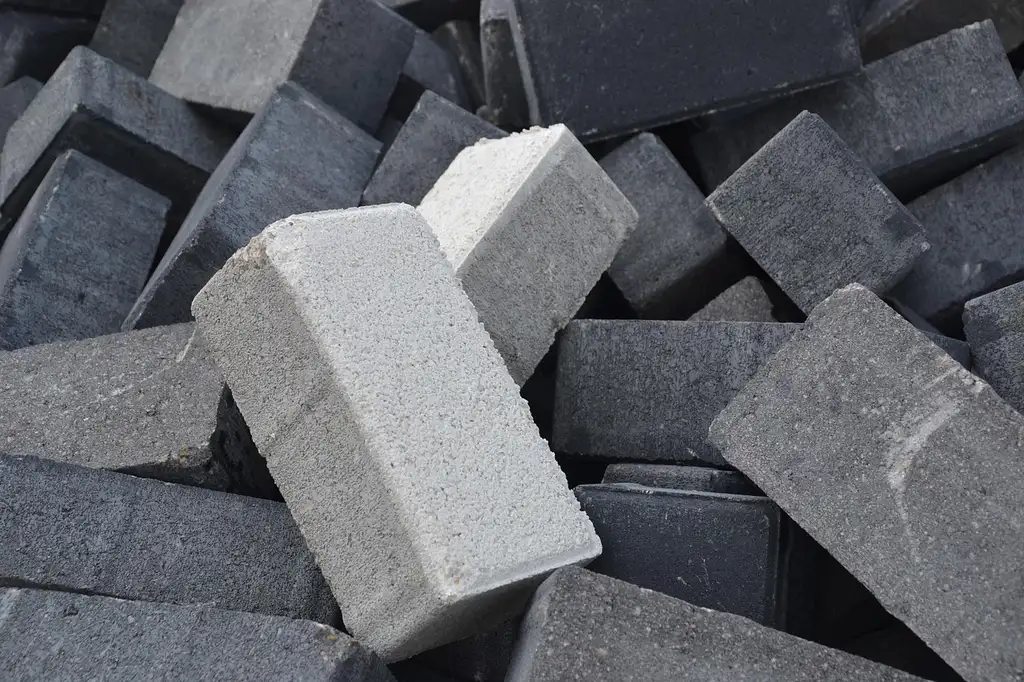
Concrete usually gives the most predictable thickness, brick is often similar in standard paver lines, and stone varies the most. That difference matters because thickness sets where each material fits, how much base correction is possible, and how much labor goes into clean finished heights at edges, steps, and transitions. In ICPI-style hardscape guidance, the full system matters: paver thickness, base depth, compaction, and edge restraint all work together, not separately.
Answer: which material is thickest or most variable?
There is no universal “thickest” winner because standard brick and concrete pavers commonly sit near the 60 mm class, while stone can be thinner or thicker depending on species and cut. The more important distinction is consistency: concrete is usually the most uniform, brick is fairly standardized, and natural stone has the widest thickness spread, so it needs the most field adjustment and tolerance at transitions. Manufacturer specs and stone association references consistently emphasize checking the exact product line before ordering.
Paver thickness comparison matrix
| Material | Typical thickness | Patios and walks | Driveways | Overlay use | Notes |
|---|---|---|---|---|---|
| Brick | About 2 3/8 in, or about 60 mm | Common | Common when the base and edge restraint are built for traffic | Possible with height checks | Kiln-fired clay units; rectangular shape is common; color runs through the unit; slightly irregular sizing can add layout skill |
| Concrete | About 2 3/8 in, or about 60 mm; thicker product lines are also made for higher loads | Common | Standard thickness is available for driveways | Common | Made from cement, sand, and aggregate; uniform sizing makes installation more predictable |
| Natural stone | Often 1 to 3 in, or about 25 to 75 mm | Common | Possible, but thickness and setting method must match the load | Less forgiving | Quarried and cut pieces; thickness can vary by stone type and cut, so more sorting and labor are often needed |
That matrix is the main takeaway. Brick and concrete usually sit in the same thickness band, but concrete is more uniform. Stone can be thinner or thicker than either one, and that spread changes labor, leveling, and the adjustment needed at doors, garage slabs, drains, and steps.
How thick are brick pavers?
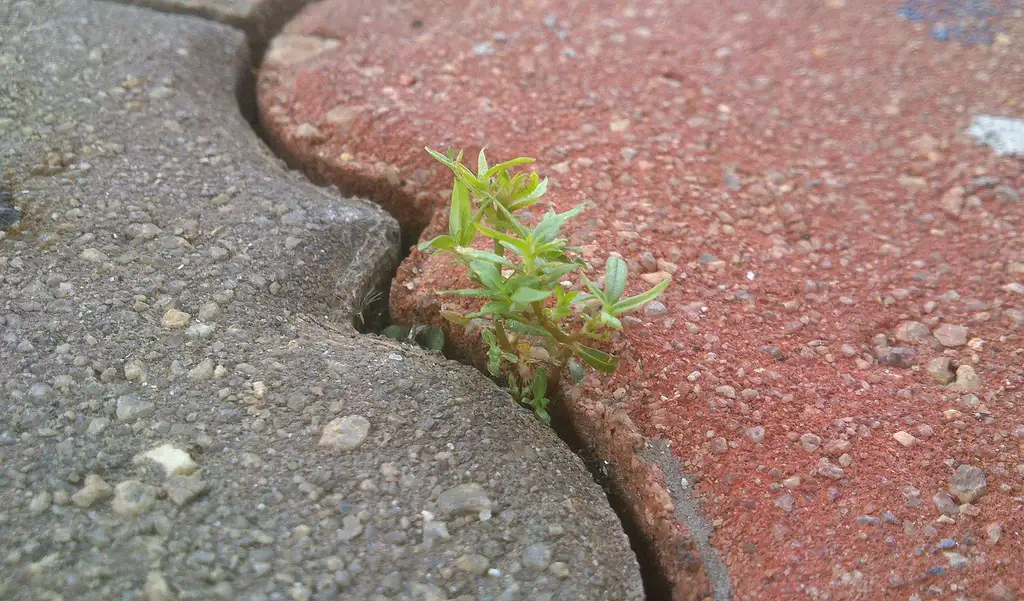
Brick pavers are usually about 2 3/8 in thick, which is about 60 mm. That size is common for walks, patios, and many driveway layouts, but the thicker or thinner option only works if the base, edge restraint, and traffic demand all match the product line. Manufacturer data for standard clay pavers commonly places this thickness in the pedestrian-and-light-traffic class, with freeze-thaw performance depending on both absorption and installation detail.
Typical brick thickness and use
Brick pavers are kiln-fired clay units formed under high temperatures. They are typically rectangular, and the color usually runs through the unit, which helps the surface keep a consistent look as it wears.
Thin brick units are not the same as full paver units. A thinner clay product may fit a patio or a decorative border, but it is less forgiving at vehicle edges, step noses, and spots where wheels turn sharply or stop in one place.
A common first-timer mistake is using a thin clay unit at a garage apron because it looks similar to a standard paver. The surface may seem fine at first, then chips appear where tires scrub the edge and where the base is less uniform near the transition.
Load use, edges, and damage risk
Thickness helps with load tolerance, but it does not replace base work. Brick pavers still need a compacted aggregate base, a leveling layer, and edge restraint. If that system is weak, settlement or movement can show up even when the brick itself is the right thickness. NCMA and ICPI-style guidance also stresses base compaction and joint sand lock-up as part of the load path.
Brick can chip if it is thin or installed badly under heavier loads. That risk is highest at outside corners, curb returns, and the first few feet where a driveway meets a slab or sidewalk, because those are the places that often see point loads and turning stress. In freeze-thaw regions, trapped water and weak drainage raise the chance of corner spalling and seasonal movement.
Are concrete pavers thicker than brick?
Concrete pavers are usually in the same standard thickness range as brick, not automatically thicker. The advantage is consistency: concrete pavers are made from cement, aggregates, and coloring additives, and their uniform sizing makes layout and installation more predictable. Standard 60 mm units are commonly specified for pedestrian areas, while heavier-duty product lines are selected for traffic or special structural conditions.
Standard thickness for patios and walks
For patios and walks, standard concrete pavers are commonly about 2 3/8 in thick. That is enough for most pedestrian areas when the base is compacted correctly and the edge restraint holds the field in place. Texture choice also matters: smoother finishes can be easier to clean, while more textured surfaces often offer better wet traction.
Because the dimensions are more uniform, setting a line, keeping joints even, and holding grade are usually simpler than with variable stone. That predictability matters around drains, pool coping, and property lines where small errors show up fast. Slip-resistance is not just a material question; finish, texture, slope, and surface contamination all affect how safe the hardscape feels when wet.
Driveway thickness and why uniform sizing matters
Concrete pavers also come in standard thicknesses for driveways. In practice, the benefit is less about the number itself and more about how the system goes together: a predictable unit size makes it easier to maintain slope, keep rows straight, and manage cut pieces at edges.
Concrete is usually easier to install because the dimensions are uniform. That reduces sorting and shim work, especially on larger projects where one bad thickness variation can throw off a whole run near a threshold or an end cap. A driveway paver with consistent thickness also makes it easier to preserve wheel-path alignment and edge restraint at areas that see repeated turning.
Do stone pavers come in variable thicknesses?
Yes. Natural stone pavers come in variable thicknesses, and that is one of their biggest installation differences. Stone is quarried and cut into paver-sized pieces, but the thickness spread can still be wide enough to change labor, bedding depth, and the amount of field adjustment needed. Stone association and quarry references commonly note that product lines can range from thin calibrated pieces to thicker patio or driveway-grade units.
Common stone types and thickness spread
Travertine, granite, limestone, slate, and sandstone are common stone choices. Their thickness can differ by quarry cut, finish, and product line, so stone should not be treated as one fixed size. Some lines are thin and consistent; others need more bed correction and sorting. Typical ranges vary widely: travertine is often sold in calibrated patio thicknesses, granite can be denser and available in thicker structural formats, limestone may be moderately variable, slate often depends on cleft and calibration, and sandstone thickness can vary by quarry and cut.
Stone often has the highest natural density in many comparisons, but density alone does not solve thickness variation. A heavy, durable piece still needs a level bed and careful height control if the units themselves are not uniform. For freeze-thaw climates, stone selection should also account for absorption, finish, and how well the substrate sheds water.
How variable thickness changes labor and cutting
Variable thickness makes installation slower because the setter has to check more pieces, adjust more often, and manage transitions more carefully. That affects drains, step edges, and the line where a paver field meets a concrete slab or masonry border.
Suppose a patio meets a back door threshold with only 1/2 in of clearance. A stone lot with mixed thickness can turn that detail into extra cuts and more time at the door, while a uniform concrete paver line is easier to bring to the same finished height.
Choose brick, concrete, or stone by use
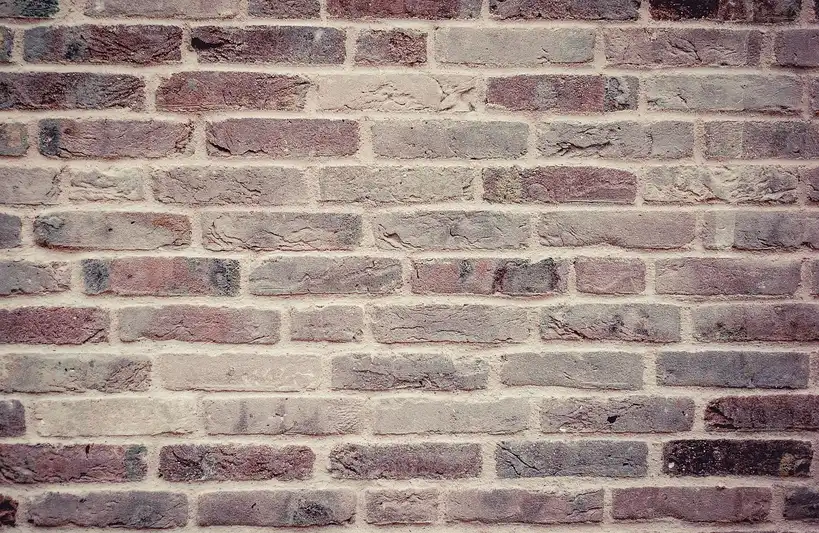
Thickness should match the use, not the label. Patio and walk projects can accept more material options, driveways need the best match between thickness and traffic, and overlays depend on finished height and threshold detail as much as on the paver itself. Finish matters too: smoother stone or heavily sealed surfaces can become slicker when wet, while textured or split-face finishes often improve grip.
Patios and pool decks
Brick, concrete, and stone can all work on patios. Brick gives a classic look and reliable grip under wet conditions. Textured concrete can improve traction too. Stone is common on pool decks because many finishes feel comfortable underfoot, but the finish must be checked for slip resistance.
For barefoot areas, surface texture matters as much as thickness. A smoother stone finish may feel refined, but it can change traction when wet. A textured concrete unit or a brick surface often provides a more consistent grip around splash zones. Around pools, drainage slope and surface finish are as important as the nominal thickness of the unit.
Walkways and garden paths
Walkways are where thickness tolerance is often easiest to manage. Standard brick and concrete pavers fit well here because the load is pedestrian, not vehicle-based, and the subbase can be built for even support without overbuilding the section.
Stone still works, especially when the path is part of a larger hardscape design. The tradeoff is labor. Variable thickness means more care at edges and more checking at transitions to lawn, gravel, or steps.
Driveways and vehicle edges
For driveways, thickness and base quality matter together. A standard driveway paver should be part of a system with a compacted aggregate base, a leveling layer, and edge restraint. Thickness alone does not stop movement or settlement.
Choose a paver line made for traffic, then keep the edges and transitions tight. The weak spots are often not the center of the drive. They are the first course at the garage, the outer edge near the curb, and any thin strip that carries wheel scrub. Wheel-turn zones also need extra attention because repeated steering loads can shift units faster than straight-line traffic.
Overlay use over existing concrete
Thin pavers can be used over concrete only when the finished height, drainage, and transitions are checked first. The overlay must still leave room for door swings, step heights, garage aprons, and safe movement at the slab edge. Overlay height is a hard limit, not a flexible suggestion, because even a small rise can create a trip edge or interfere with a threshold.
Concrete pavers are often the easiest fit for overlays because the sizing is predictable. Stone can work too, but variable thickness makes the finished plane harder to control. Brick overlays are possible when the product line is suitable and the transition details are handled carefully.
- Measure the available height at doors, garages, drains, and steps.
- Confirm whether the base is new, existing, or being overlaid.
- Pick a thickness range that fits the load and the transition.
- Check edge restraint and slope before ordering material.
- Allow for cuts, border pieces, and any field adjustment needed for stone.
Installation risks to check before you choose
Freeze-thaw cycles, slip resistance, overlay height limits, and traffic concentration points often decide whether a project succeeds. In cold climates, a paver system needs drainage and a stable base so water does not get trapped beneath the field. On wet surfaces, finish texture and slope influence traction as much as thickness. At thresholds, garage aprons, drains, and wheel-turn zones, small errors become visible and costly quickly.
Look hardest at the places where materials meet: garage apron transitions, door thresholds, catch basins, expansion joints, and thin strips along the driveway edge. Those are the spots where settlement, poor drainage, and incompatible heights usually show up first. If the project is an overlay, height and drainage must be checked before any material choice is finalized.
Choose brick if the project needs a traditional look, reliable wet grip, and a thickness range that fits walks, patios, or a driveway with a correct base. Choose concrete if the priority is uniform sizing, easier installation, and a clear path for patios, walks, driveways, or overlays.
Choose stone if the project needs a natural look and the budget allows extra labor for sorting, cutting, and height adjustment. It is the least predictable on thickness, so it rewards careful planning and punishes rushed layout.
Checklist: thickness, use, and failure-point review
- Confirm the exact thickness range from the manufacturer or quarry spec before ordering.
- Match the unit to the use: patio, walk, driveway, or overlay.
- Check freeze-thaw exposure and drainage slope, especially at low spots.
- Review finish texture for wet slip resistance near pools, steps, and entries.
- Measure overlay height at garage aprons, thresholds, and drain covers.
- Verify edge restraint, especially at curbs, borders, and wheel-turn zones.
- Expect more sorting and adjustment with natural stone than with concrete.
Verdict: which should you choose?
Choose brick if you want a standard 2 3/8 in paver for walks, patios, or many driveway layouts, and you can build the base, edge restraint, and traffic demand around that product line.
Choose concrete if you want the most predictable thickness for patios, walks, driveways, or overlays, especially where uniform sizing makes layout, thresholds, and edge transitions easier to manage.
Choose stone if you need patio or pool-deck pavers and are prepared to sort, shim, and cut for its wider 1 to 3 in thickness variation, especially where the setting method and height transitions must be checked carefully.
Frequently asked questions
How thick are brick pavers compared with concrete and stone pavers?
Brick and concrete pavers are usually close in thickness, often around 2 3/8 in, or about 60 mm. Natural stone pavers often range from 1 to 3 in, or about 25 to 75 mm. That spread is why stone usually needs more checking during layout and setting.
Are brick pavers thinner than concrete pavers?
Not usually. Standard brick pavers and standard concrete pavers are often in the same thickness range. The real difference is predictability: concrete is more uniform, while brick can be slightly irregular by product line and may take more skill at the edges and corners.
What thickness do I need for driveway pavers?
Use a driveway-rated paver line and match the thickness to the full system, not the unit alone. Standard thicknesses around 2 3/8 in are common, but the base, edge restraint, and traffic exposure matter just as much. A weak base can still move under vehicle loads.
Can thin pavers be used over concrete?
Sometimes, but only when the finished height works and the overlay detail is planned carefully. Thin pavers over concrete can create trouble at thresholds, steps, and drain lines if the height is off. The existing slab still needs sound drainage and a suitable installation method.
Which paver material is easiest to install because of uniform thickness?
Concrete pavers are usually the easiest because their dimensions are more uniform. That makes layout simpler, reduces sorting, and helps keep joints and edges aligned. Brick can be slightly irregular, and stone often needs the most adjustment because thickness may vary from piece to piece.
Do thicker pavers cost more because of installation labor?
Often, yes, but the main driver is not thickness alone. Labor rises when the units are heavier, less uniform, or harder to set to a consistent height. Variable stone usually costs more to install than uniform concrete because it takes more sorting, checking, and cutting.
Which paver type is best for patios versus driveways?
For patios, all three can work if the surface texture and finished height fit the space. For driveways, choose the option rated for traffic and match it to a properly built base. Concrete is often the easiest driveway choice; brick is common when the look matters; stone works when the budget and labor allow it.