What Paver Thickness Do You Need for a Hot Tub Pad?
For a hot tub pad, use 2-inch pavers only over a properly built concrete or compacted base; for a new paver-only pad, choose 3-inch pavers and a 6 to 8 in base. Too little thickness or base depth can leave the pad settling, rocking, and cracking under thousands of pounds. This guide gives the load rule, base-depth targets, and the point where a patio can support the tub.
This guide is part of our Paver thickness guide for patios, walks, and driveways series.
Can a hot tub sit on pavers?
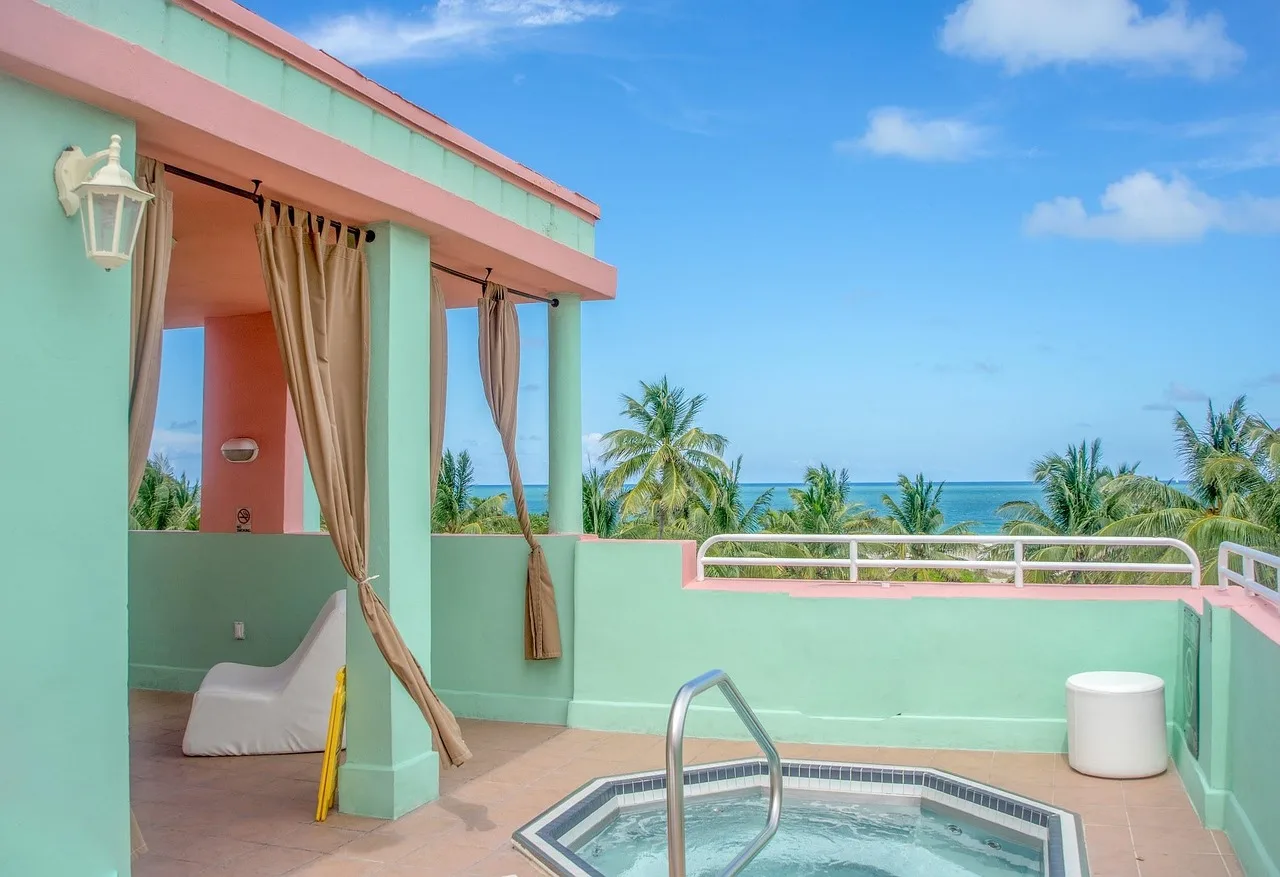
Yes, a hot tub can sit on pavers if the pavers are part of a stable, fully supported assembly. The filled tub matters far more than the empty shell, because water and occupants raise the load sharply. The base must spread that load evenly across the whole footprint, with no rocking corners or soft spots.
That is the load path you need to care about. A shell that looks light can become a very heavy, uneven load once it is filled. If the pad flexes, settles, or bridges over voids, the tub can twist, the pavers can shift, and the edge support can fail.
When pavers are acceptable
Pavers are a reasonable choice when the manufacturer allows a paver-supported base, the slab or base below them is sound, and the finished surface is flat and level. Concrete pavers should be at least 2 inches thick for this use, with interlocking, smooth units preferred for even support.
They fit best when the pad is built for heavy loads, not just foot traffic. Driveway-rated pavers are the safer comparison for spa support than thin patio pavers, because the load is closer to a vehicle load than a walking surface.
When pavers are not enough
If the spa sits on a weak patio, a settling base, or a surface with drainage damage, pavers are not the fix. A structural review or a concrete slab is safer when the tub is large, the existing patio moves, or the installation instructions call for a structural foundation.
Suppose a 7-person tub arrives on an older patio and one corner already rocks under body weight. That is not a paver-thickness problem. It is a support problem, and adding thicker pavers on top will not correct the movement underneath.
Hot tub pad thickness by scenario
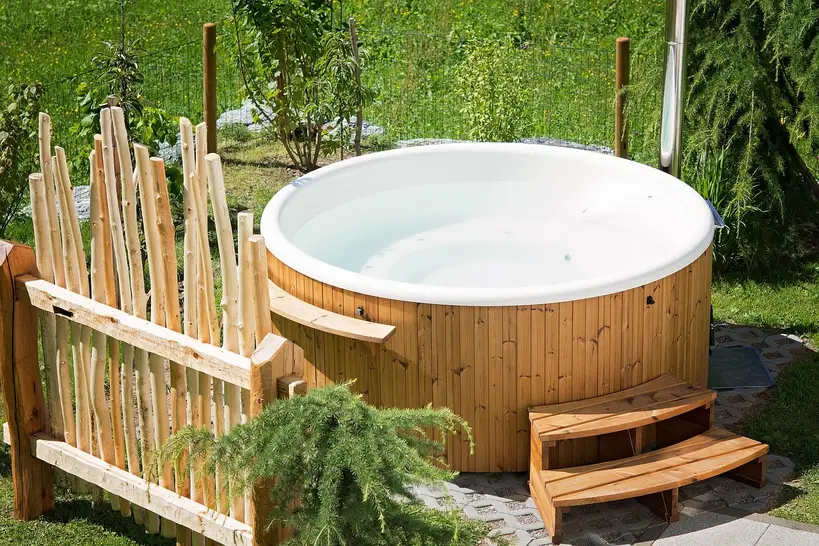
This table separates paver thickness from compacted base depth. That matters because a thick paver on a weak base still fails, while a deeper base under thin patio pavers may still be the wrong choice for a heavy spa.
| Hot tub size/load | Existing patio vs new build | Recommended paver thickness | Recommended compacted base depth | Red-flag conditions that require a concrete slab or structural review |
|---|---|---|---|---|
| Small 2–4 person tub; lighter filled load | New build | 2 in minimum; 3 in is better for a paver-only pad | 6 in to 8 in compacted base | Soft soil, drainage problem, slope you cannot remove, or any sign of settlement |
| Small to medium tub on a sound patio | Existing patio | 2 in minimum if the current system is flat and stable | Use the existing base only if it is sound; rebuild if joints, bedding, or edge restraint have failed | Rocking corners, open joints, sunken edges, or hollow spots under the pavers |
| Medium 5–7 person tub; heavier filled load | New build | 3 in preferred; driveway-rated units make more sense | 6 in to 10 in compacted base, depending on soil and tub weight | Any history of settling, freeze-thaw movement, or poor drainage away from the pad |
| Large tub with high occupant count | Existing patio | Do not assume patio pavers are enough | Structural review is the safer call | Visible sagging, repaired settlement, uneven slab sections, or manufacturer requirements for a slab |
| Very large spa or site with questionable support | New build or existing surface | Driveway-rated pavers only if the manufacturer permits a paver base | 10 in to 12 in compacted base is a common heavy-duty target | Any doubt about load path, access for service, or foundation performance |
How thick should the pavers be?
For hot tub support, the pavers themselves should be at least 2 inches thick, and 3-inch units are the safer pick for a new paver-only pad. A competing range of 1.5 to 3 inches appears in some guidance, but the heavier the tub, the more useful thicker and heavier-duty pavers become.
Thickness alone does not guarantee spa support. The product also needs to be interlocking, smooth, and suitable for heavy loads. Standard patio pavers are often made for walking surfaces, while driveway-rated pavers are designed for more demanding wheel loads and are a better proxy for hot tub use.
Backyard Mastery gives a general rule of at least 4 inches for pavers, but that is not typical for standard concrete patio units. A better reading is this: the thicker, vehicular-style product category is the safer place to look when the spa is large or the site is marginal.
What to check before buying pavers
- Minimum thickness: 2 inches or more.
- Product type: interlocking, smooth, and rated for heavy loads.
- Use case: driveway-rated pavers are preferred for spa pads.
- Support plan: confirm the base depth, not just the paver thickness.
- Manufacturer limits: some hot tubs require a slab or engineered base.
How deep should the base be?
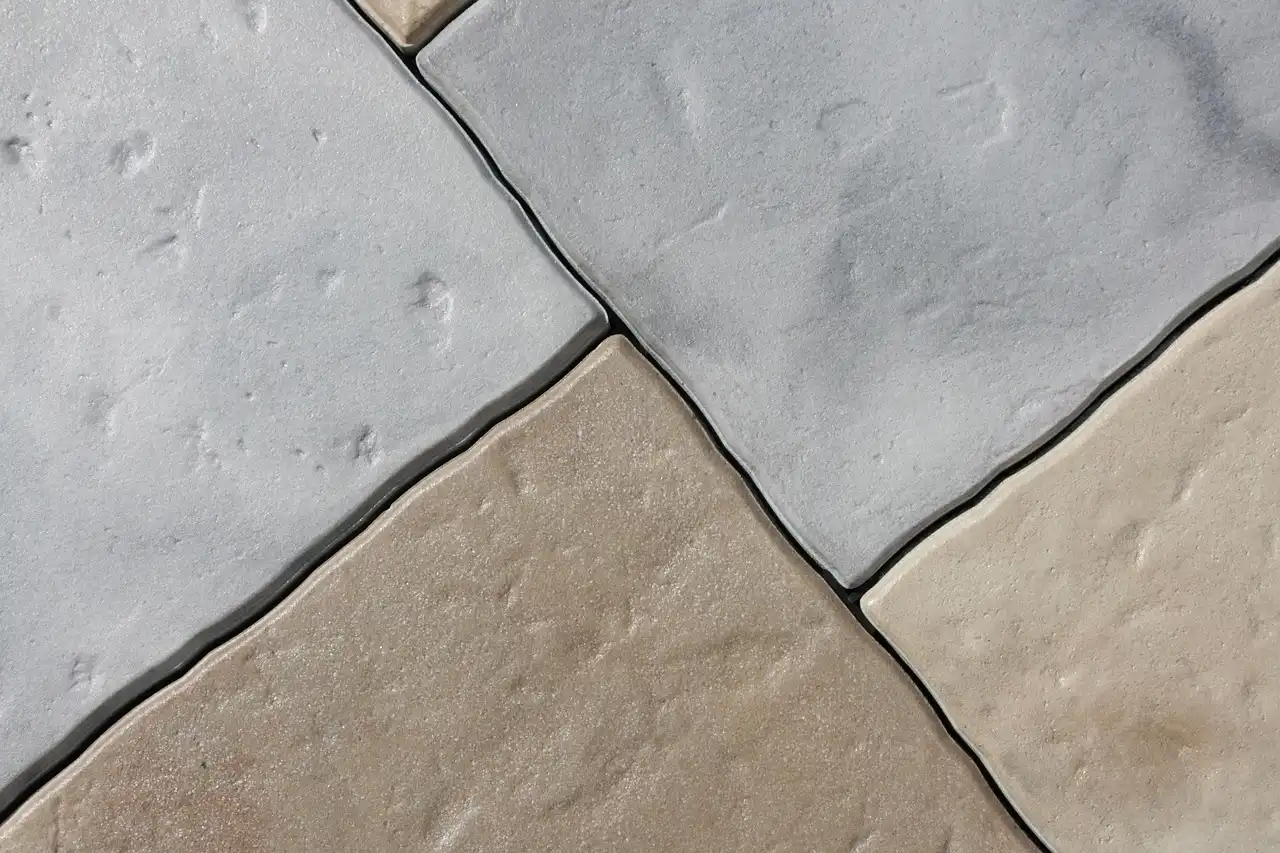
The compacted base is usually the bigger decision. Common guidance ranges from 4 inches for regular patios to 6 inches for driveways, and bigger hot tubs may need 10 to 12 inches. Hot tub pads often need the deeper end of that range because the load is concentrated and must stay uniform.
Digging down about 9 inches, then using a 3-inch sand layer and a 3-inch fine gravel layer above the subgrade. Another recommends about a 6-inch gravel base under 2-inch pavers. Those figures are not interchangeable, but they do point to the same idea: heavier tubs need a deeper, better-compacted base.
Where the bedding layer fits
The bedding layer is the thin leveling layer directly under the pavers. Sand is often used for this purpose, usually with gravel below it for drainage and stability. Sand alone is not enough for a hot tub pad.
For a spa pad, the base should be compacted in lifts. That means building it in layers and compacting each layer before adding the next one. Skipping compaction is one of the fastest ways to end up with dips, low corners, and pavers that move under load.
Practical depth rule
- Check the tub’s filled weight, not just its empty shell weight.
- Match the base depth to that load and to the soil below it.
- Use a deeper compacted base for larger tubs and weaker soils.
- Keep the bedding layer thin and uniform.
- Stop and switch to a slab or structural review if the site is unstable.
Do hot tub pavers need to be perfectly level?
Yes. A hot tub needs a very flat, level support surface with no meaningful ridges, bumps, or gaps. Normal patio slope for drainage is not the same as a spa pad, because the tub needs even bearing across the full footprint rather than runoff slope across the surface.
Minor variation that is fine for a walkway is not fine under a filled spa. Rocking corners, a hollow sound under one area, or a seam that opens under load can all point to poor bearing. If the surface is not flat, the pad is not ready.
What to inspect
- Rocking corners when you step on the pavers.
- Visible dips or ridges across the pad.
- Gaps between pavers after the base is compacted.
- Edge support that has loosened or broken away.
- Drainage that sends water under the pad instead of away from it.
Picture a 6-person spa sitting on a pad that looks fine until the first fill. The tub frame settles onto one low side, and the opposite side carries the load. That kind of uneven support is what cracks shells, disturbs plumbing alignment, and shortens the life of the base.
Is an existing paver patio suitable?
Sometimes. An existing paver patio can work only if it is flat, stable, well drained, and built with enough support for the filled tub. If the patio already shows settlement, movement, or edge failure, reusing it is risky even if the pavers themselves look intact.
Start by checking the joints, edges, and corners. Open joints, sunken borders, or movement under weight mean the base has already lost support. In that case, paver thickness is not the fix; the base system needs attention or replacement.
When a rebuild is safer
- The patio has settled unevenly.
- The pavers rock or shift under foot pressure.
- The edge restraint is missing or broken.
- Drainage problems are washing out bedding material.
- The tub manufacturer calls for a slab or reinforced foundation.
A common mistake is to choose pavers based only on appearance and ignore the thickness needed to support a hot tub pad. A patio can appear neat while the base underneath has failed at the corners or edges. For spa support, that hidden movement matters more than the appearance of the pavers.
Pad size and access clearances
The pad should match the tub footprint plus enough room for service access, drain direction, and edge stability. Do not size the pad so tightly that a technician cannot reach the service panel or so loosely that the tub sits near an unsupported edge.
There does not appear to be a universal overhang rule. The better approach is to follow the manufacturer’s clearances, then leave enough extra room for access on the service side and for a stable perimeter around the rest of the tub. That extra room should be planned before excavation starts.
What extra room should cover
- Service panel access.
- Drain location and hose routing.
- Space to remove and reset a paver border if needed.
- Room for covers, steps, and maintenance access.
Use the tub’s actual footprint, then add working space where the service panel and drain fall. If the pad is too tight, the result is usually awkward access and weak edge support, not a cleaner install.
Frequently asked questions
How thick should pavers be for a hot tub?
Use pavers at least 2 inches thick. For a new paver-only pad, 3-inch units are the better choice, especially for larger tubs. Thickness alone is not enough, though; the pavers also need a compacted base and a level, stable support layer beneath them.
Should a hot tub base be on sand or gravel under the pavers?
Gravel provides drainage and stability; sand helps with final leveling. Sand alone is not a suitable base for a hot tub because it does not provide the same support or drainage performance.
How much weight can pavers support under a hot tub?
There is no safe universal number to use without the tub’s filled weight, the footprint size, the base depth, and the site conditions. Hot tubs need uniform bearing, not just a rough pounds-per-square-foot estimate. If the patio or base is questionable, treat it as a structural problem.
Should I use concrete instead of pavers for a hot tub?
Concrete is often the safer choice when the tub is large, the soil is weak, or the existing patio is not reliable. A concrete slab gives a permanent, uniform support surface, and one source places that slab at at least 4 inches thick. Use it when pavers would be a compromise.