Can You Use Topsoil in Raised Beds?
Topsoil can go in a raised bed, but only as part of a layered or blended fill. Use it in about the lower 6 to 12 in of the bed, then finish with a lighter compost-rich mix. If you fill the whole bed with dense topsoil alone, compaction and poor drainage become likely, and the bed often costs more to fix later.
Topsoil vs raised bed soil
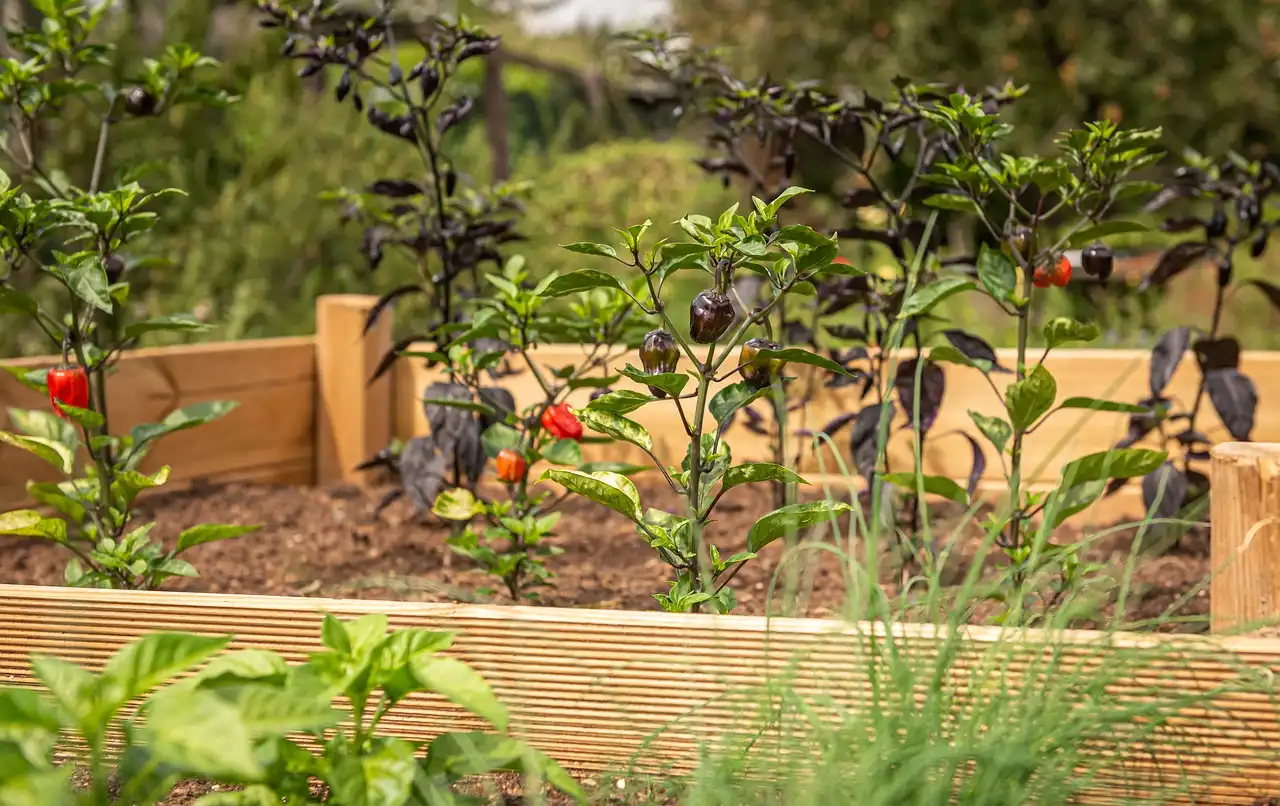
What topsoil
Topsoil is the top soil layer where most plant roots first feed and spread. Its texture varies by source because it is made from sand, silt, clay, and some organic matter. That variation is the main reason one load can work well in a garden bed while another load feels sticky, heavy, or rocky.
Topsoil may need added nutrients for optimal plant growth. It also may carry weed seed or contaminants if the source is not screened and verified.
What raised bed soil
Raised bed soil is a mix made for raised garden beds, with a lighter texture and faster drainage than plain topsoil. It often contains compost, peat moss, and vermiculite.
That structure matters in a confined root zone. Roots need air as well as moisture, and a mix built for raised beds is less likely to seal up after watering and rain.
Main trade-offs: drainage, compaction, and cost
Topsoil is usually cheaper in bulk, but it can compact and slow drainage. Raised bed soil costs more per cubic yard, but it is easier to work in shallow beds and better suited to vegetables and other intensive plantings.
A 40/40/20 blend is a common recommendation: about 40% topsoil, about 40% compost, and the remaining 20% as other amendments. That is a blend, not a reason to use dense topsoil by itself.
| Material | Drainage | Compaction risk | Fertility | Typical cost approach |
|---|---|---|---|---|
| Topsoil | Varies by source | Higher if used alone | May need added nutrients | Lower cost in bulk |
| Raised bed soil | Better draining | Lower in shallow beds | Usually mixed with organics | Higher cost per cubic yard |
Can you use topsoil in raised beds?
Yes, but only as a fill strategy, not as a default full-bed fill. Topsoil works best when it is mixed with compost and other materials, or when it makes up the lower portion of a deeper bed. Used alone, it can compact, drain poorly, and leave roots short on oxygen.
When topsoil is acceptable
Topsoil is acceptable when the bed is deep enough to handle a heavier base and when the top layer is still a lighter mix. It also makes sense when the budget favors bulk material and the source is screened, clean, and backed by a soil test.
For many beds, a common rule is to pair topsoil with organic compost in roughly equal parts in the upper fill or to use topsoil as part of a 40/40/20 blend. Iowa State University Extension recommends mixing equal parts topsoil and organic matter in raised-bed fill, and their raised-bed guidance keeps the root zone loose rather than dense: Iowa State Extension raised-bed guidance.
When topsoil alone is a bad fit
Topsoil alone is a bad fit in shallow beds and in any bed meant for vegetables with fine roots. In those cases, compaction can set in after a few waterings, which cuts drainage and limits oxygen at the root zone. The bed may look full, then settle lower than expected.
Say your 4×8 bed is only 6 in deep and you fill it with straight topsoil. After a season of watering, the surface may sink, the soil may crust after rain, and seedlings can struggle because the root zone stays too wet for too long. A common failure case is a cedar bed that starts flush at the rim in spring, then settles 1 to 2 in by late summer, leaving a hard cap on top and soggy soil below; the fix is usually to fork in compost, top-dress with a lighter mix, and reset the next fill around a better blend rather than repeating straight topsoil.
What to mix with topsoil
Compost is the first mix partner. It adds fertility and helps loosen the soil structure. Perlite adds drainage and aeration. Vermiculite helps balance moisture retention and aeration, which can be useful where beds dry fast.
A soil test should come first if the topsoil source is unknown or if the bed will hold a crop that needs a tighter pH range. Test for pH and nutrient levels before buying more material than you need.
How bed depth changes the mix
Bed depth changes how much topsoil a mix can handle. Shallow beds need a lighter mix. Medium beds allow more flexibility. Deep beds can tolerate more mineral soil, but even then, the upper layer should still drain well and stay open enough for roots.
Shallow beds: keep the mix lighter
In shallow beds, use topsoil sparingly and keep compost high. A shallow bed does not have much room for compaction before roots lose air space, so the mix should stay loose and easy to drain. If the bed is only 6 in deep, treat topsoil as a minor ingredient, not the whole fill.
Medium-depth beds: more flexibility
At around 12 in deep, a raised bed can handle a blend with more topsoil, especially if compost and a small amount of aeration amendment are included. This is where a 40/40/20 mix is often practical. It balances cost, drainage, and fertility without making the bed feel too heavy.
Deep beds: when more mineral soil works
Deep beds give more room for a heavier lower layer. University of Maryland Extension suggests using topsoil in limited proportion in deeper beds, with a lighter organic-rich mix above it; their raised-bed recommendations keep the fill breathable and avoid a packed full-bed profile: University of Maryland Extension raised-bed gardening.
Picture a 18 in bed filled in two zones: a lower layer with more topsoil for bulk, and an upper layer with a lighter compost-rich blend. That approach keeps the cost down while protecting the root zone closest to the surface.
Raised bed fill table
The table below uses a standard 4×8 bed. That bed takes about 32 cubic feet of soil at 12 in deep. At 6 in deep it needs 16 cubic feet, and at 18 in deep it needs 48 cubic feet. Divide by 27 to estimate cubic yards.
| Bed depth | Total fill for 4×8 bed | Topsoil percentage | Compost percentage | Optional aeration amendments | Topsoil use |
|---|---|---|---|---|---|
| 6 in | 16 cu ft, or 0.59 cu yd | 0% to 20% | 60% to 80% | 20% perlite or vermiculite | Use as a mixed component only |
| 12 in | 32 cu ft, or 1.19 cu yd | 20% to 40% | 40% to 60% | About 20% total aeration amendment | Use as a mixed component or base layer |
| 18 in | 48 cu ft, or 1.78 cu yd | 20% to 40% in lower layers | 40% to 60% | About 20% total aeration amendment | Best as a base layer, not the top layer |
What should you mix with topsoil?
Topsoil should usually be mixed with compost first, then adjusted with perlite or vermiculite based on drainage and moisture needs. A soil test should guide the final blend if you are buying a large load or if the bed will hold crops for more than one season.
Compost for fertility and structure
Compost adds organic matter and helps build a better soil structure. It is the most useful correction when topsoil is too dense or too low in nutrients. A common recommendation is to pair topsoil with equal parts compost, especially when the bed will support vegetables.
Perlite for drainage and aeration
Perlite is a lightweight mineral amendment that helps water move through the mix and keeps pore space open. It is useful when the topsoil source is fine-textured or when the bed sits in a wet spot. It does not replace compost, but it helps prevent a tight, air-poor fill.
Vermiculite for moisture balance
Vermiculite improves moisture retention and aeration. It fits better in beds that dry out quickly or in light, fast-draining mixes. Use it as part of the 20% amendment share, not as a substitute for compost or a fix for poor-quality topsoil.
When a soil test should come first
A soil test should come first when the topsoil source is unverified, when the bed will grow edibles, or when the goal is to correct pH and nutrient levels before planting. That step is cheap compared with replacing a bad load of fill after the bed has already settled.
Choose topsoil if… / Choose raised bed soil if…
Choose topsoil when the bed is deep enough for a layered fill, the source is screened and clean, and the budget needs bulk volume at a lower cost. Choose raised bed soil when the bed is shallow, the crop is sensitive, or drainage matters more than upfront savings.
| Choose topsoil if… | Choose raised bed soil if… |
|---|---|
| You are filling the lower layer of a deep bed. | You are filling a shallow bed for vegetables. |
| You have a clean bulk source and can test it. | You want a ready-made mix with better drainage. |
| You want lower-cost volume for a large bed. | You need a lighter mix that resists compaction. |
| You will finish the top with compost-rich soil. | You do not want to blend amendments yourself. |
Budget-first fills
Bulk soil makes sense when the bed is large and the fill depth is more than one bagged-soil layer. Bagged material is convenient, but the cost rises fast as cubic feet add up. Bulk topsoil lowers the price per volume, especially for deep beds, but only if the supplier is reputable.
Best use cases for bulk soil
Bulk soil works best for large raised beds, especially when the lower portion of the bed can be built from topsoil and the upper portion is mixed for plant performance. It is also useful when the goal is to shape volume first and then refine the root zone with compost and aeration amendments.
When to avoid pure topsoil
Avoid pure topsoil when the bed is shallow, when drainage is already slow, or when the source is low grade and unverified. A common first-timer mistake is to buy the cheapest load available and assume all topsoil is equal. It is not. Screened quality, texture, and cleanliness vary widely.
Can you use topsoil in raised garden beds?
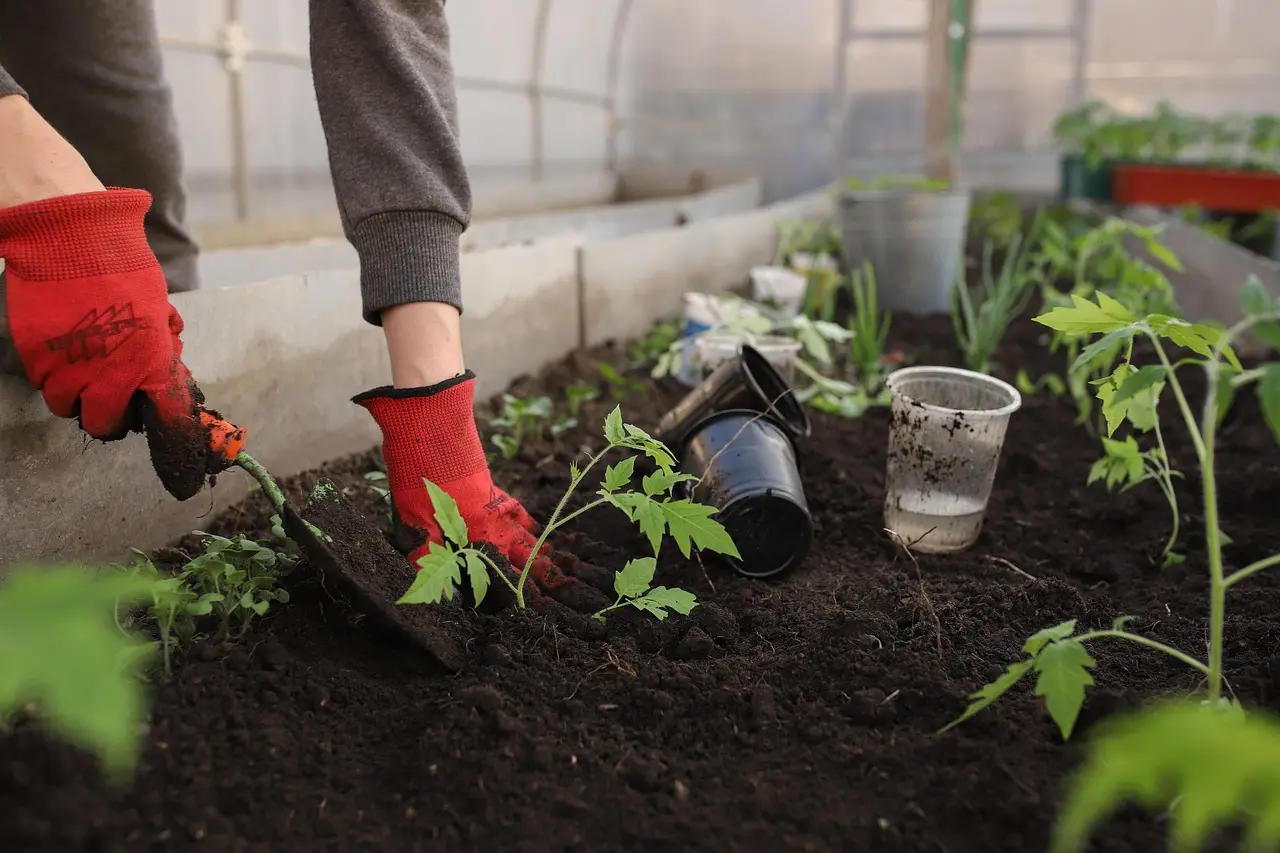
Yes, topsoil can be used in raised garden beds, but quality matters. Garden beds hold crops in a confined space, so the fill has to drain well, stay loose, and support steady root growth. Decorative beds can tolerate heavier fill than a bed planted for food.
Garden beds vs decorative beds
In a decorative bed, a heavier mix may be acceptable if the plants are tolerant of slower drainage. In a vegetable bed, the same soil can hold too much water and settle too tightly. That is why a lighter raised bed mix is usually the better choice for edible crops.
Bulk soil sourcing and quality checks
For large beds, bulk soil is often the cheapest route. Ask for screened topsoil and confirm whether the load is free of construction debris, weed seed, and obvious contamination. A reputable supplier should be able to describe the source and what is blended into the load.
Red flags on labels and loads
Watch for vague labels like “fill dirt” or “garden soil” with no texture or amendment details. Those terms can mean almost anything. If the material is dense, clumpy, or smells off, it is not a good candidate for a raised bed that needs drainage and oxygen at the root zone.
Quick answers on raised-bed topsoil use
For the common question “Can you use top soil in raised beds?”, the short answer is yes when it is blended, not packed in alone. For “Can you use top soil in raised garden beds?”, the same rule applies, with even more attention to drainage for food crops. “Do you put topsoil in raised beds?” and “Can I fill my raised bed with top soil?” are both answered the same way: only if it is part of a mix or layered fill that keeps the upper root zone loose. The best mix for raised beds is still a compost-forward blend, often around 40% topsoil, 40% compost, and 20% other amendments, adjusted for depth and crop needs. For “How much topsoil should I use in a raised bed?”, use less in shallow beds and more only in deeper beds where a lower mineral-soil layer will not choke drainage.