Raised Bed Soil vs Garden Soil: What Is the Difference?
Raised bed soil is built for raised beds and containers, with a looser mix that drains faster and resists packing in a shallow frame. Garden soil is heavier and aimed at in-ground planting, where native soil below helps with drainage and support. Choose raised bed soil for beds about 12–24 in deep, because denser garden soil can compact, slow drainage, and reduce root growth. This guide compares drainage, fertility, settling, and refill cost so you can buy the right mix. For more setup guidance, see our compost guide, soil testing guide, and vegetable garden soil guide.
| Factor | raised bed soil | garden soil | Winner |
|---|---|---|---|
| Intended use | Formulated for raised beds and containers; meant to stand on its own in an enclosed bed. | Made mainly for in-ground planting and broader landscape beds. | raised bed soil |
| Drainage and airflow | Built for balanced drainage and air space around roots. | Can hold more water and tighten up after repeated watering. | raised bed soil |
| Compaction risk | Lower, especially when the blend includes compost and aeration material. | Higher in enclosed beds unless it is blended with compost or other amendment. | raised bed soil |
| Fertility and readiness | Often enriched with compost and organic matter, so it is closer to ready-to-plant. | Often needs annual compost or fertilizer additions to stay productive. | raised bed soil |
| Hauling and fill cost | Lighter fill usually means less weight to move and can reduce delivery burden. | Heavier fill increases load weight in larger beds and can raise hauling cost. | raised bed soil |
Bed soil versus garden soil
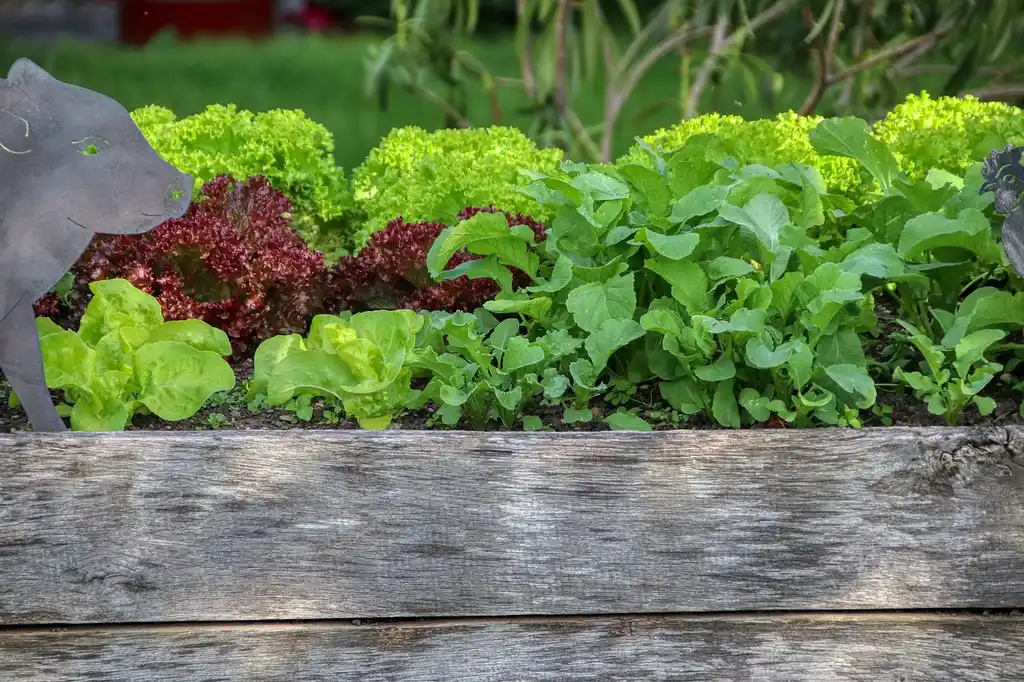
Raised bed soil is usually the better pick for enclosed beds because it is made to drain, breathe, and settle inside a fixed frame. Garden soil can work in a raised bed only when it is blended, but pure garden soil is more likely to compact, hold water too long, and shrink into a dense mass over time.
Intended use
Raised bed soil is meant to be used as a standalone soil mixture in a raised bed. Garden soil is aimed mainly at in-ground planting, where surrounding native soil helps with drainage and structure. That difference matters as soon as the soil is boxed in on all sides.
Drainage and airflow
Raised beds need enough drainage and airflow to keep roots active. Raised bed soil is described as offering excellent drainage for raised beds and container gardening, while heavier garden soil can stay wetter and tighter after watering. In an enclosed bed, that often shows up as slow drying, crusting on top, and roots that do not spread deeply.
Compaction and settling
Garden soil can compact in raised beds over time, especially if the bed is shallow or watered often. Raised bed soil is usually blended with compost and organic matter to keep pore space open. Even then, any raised bed blend can settle after watering, so top-offs are normal.
Fertility and maintenance
Raised bed soil is often sold ready to use or as a bagged blend with compost, coir, bark fines, worm castings, or similar organic matter. Garden soil may need more frequent amendment to keep plants fed and the structure loose. Good in-ground garden soil can still outperform a poor bagged blend if it is properly amended, so the label alone does not decide the result. If you want a crop-by-crop refresh plan, see our crop-specific planting guide.
What is raised bed soil?
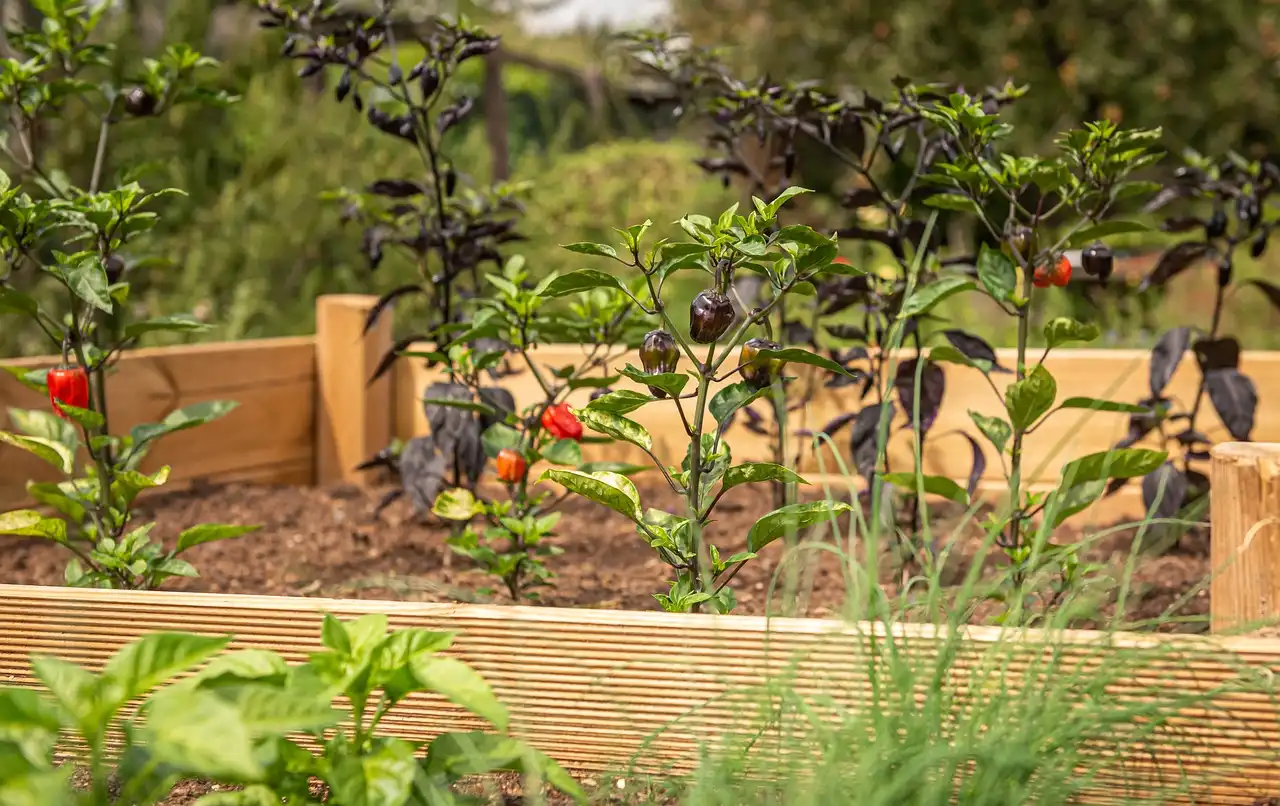
Raised bed soil is a blend made for enclosed beds, and it is meant to work as the main fill rather than as a thin top layer. It usually combines garden soil traits with potting mix traits, plus compost and other organic matter, so the bed drains well but still holds enough moisture for vegetables and flowers.
Typical ingredients
Common ingredients include coir, perlite, worm castings, bark fines, kelp meal, and poultry manure. Those ingredients matter because they do different jobs: moisture retention, air space, nutrient supply, and structure. The blend should feel loose, not dusty, and should not pack down into a brick after a few waterings.
Drainage, airflow, and moisture balance
In a raised bed, roots cannot rely on native soil below to drain excess water. That is why raised bed soil needs both drainage and airflow. Too little of either can leave roots short on oxygen, which slows growth and makes plants sit still even when the bed looks moist.
pH range and plant growth
Raised bed soil pH can vary by product and should be checked if plants show signs of nutrient problems. pH still matters because it affects nutrient availability. If leaves yellow, growth stalls, or crops struggle even when water is adequate, pH is one of the first things to check. University resources such as University of Minnesota Extension’s soil pH guide and Penn State Extension’s soil acidity and liming guide are useful references for confirming crop suitability and corrections.
What is garden soil?
Garden soil is made mainly for in-ground planting. It is usually heavier than raised bed soil and may include more mineral soil, which is fine when it can blend into the earth below but less ideal inside a framed bed. In an enclosure, the same weight that helps stability can also raise compaction risk.
Why it can compact in raised beds
When garden soil is held in a box, repeated watering and foot traffic nearby can press the particles together. That tightens the pore space roots need for air and water movement. The result is often slower drainage, weaker root spread, and a bed that feels increasingly dense each season.
When it needs amendments
Garden soil usually needs compost or another amendment to stay productive in a raised bed. That is the key distinction: useful ingredient, poor standalone choice in most enclosed beds.
Is potting mix the same as raised bed soil?
No. Potting mix is lighter and more aerated, and it is designed for containers, not outdoor raised beds. It can work well in pots or very small, highly amended spaces, but it can dry out too quickly in a larger bed and is not the same as a raised-bed blend.
Where potting mix fits
Potting mix fits best in containers and small planters where frequent watering is acceptable. Roots in those spaces benefit from the extra air space and fast drainage.
Where it does not fit
Potting mix is usually the wrong answer for a full outdoor raised bed. It can dry too quickly in hot weather, especially in shallow beds with full sun. If used at all, it should be part of a small, highly amended blend rather than the main fill for a broad bed.
Raised bed soil comparison table
| Criterion | raised bed soil | garden soil | Winner |
|---|---|---|---|
| Intended use | Raised beds, containers, and enclosed planting spaces. | In-ground beds and landscape planting. | raised bed soil |
| Typical ingredients | Blend of soil, compost, and organic matter such as coir, perlite, and worm castings. | Heavier soil base; may need compost and aeration amendments. | raised bed soil |
| Drainage | Balanced drainage for enclosed beds. | Can drain poorly in a frame unless blended. | raised bed soil |
| Compaction risk | Lower when the mix includes organic matter and aeration material. | Higher if used alone in a raised bed. | raised bed soil |
| pH range | Often balanced between 5.8 and 7.5. | Varies more widely by source and often needs adjustment. | raised bed soil |
| Amendment needs | Usually ready to use, then refreshed with compost over time. | Usually needs compost and sometimes fertilizer in a raised bed. | raised bed soil |
| Best crop fit | Leafy greens, tomatoes, herbs, flowers, and root crops in loose beds. | Better for in-ground crops or blended raised beds. | raised bed soil |
| Refill frequency | Top-offs are normal after settling and seasonal loss. | Often needs more amendment if used in a raised bed. | raised bed soil |
| Hauling cost implications | Lighter to move, so delivery and handling are usually simpler. | Heavier fill can increase load weight and raise transport cost in larger beds. | raised bed soil |
| Common mistake | Using it as if no top-dressing or fertility refresh will ever be needed. | Using pure garden soil in a raised bed and expecting it to stay loose. | tie |
Why raised bed soil won the drainage row
In an enclosed bed, drainage is not optional. Raised bed soil is made to keep water moving while still holding enough moisture for roots, which helps prevent the soggy, low-air conditions that slow growth. Garden soil can work only when amended enough to open the structure.
Why raised bed soil won the compaction row
Compaction is one of the main failure modes in raised beds. A heavier fill can settle into a dense layer, especially after repeated watering. Raised bed soil is usually lighter and more open, so roots have a better chance to expand through the whole bed.
Why raised bed soil won the pH and amendment rows
Raised bed soil is commonly sold closer to planting range and often with organic matter already in the mix. That does not make it maintenance-free, but it does reduce the amount of correction needed at the start. Garden soil can still be useful, yet it often needs more compost and regular feeding to match that performance.
Why raised bed soil won the hauling row
Weight matters when a bed is deep or large. Heavier fill means more pounds to move, more delivery burden, and often more cost per project. A lighter blend reduces the strain on hauling and makes staged filling easier, especially for beds that need several cubic feet.
Say your 4 ft by 8 ft bed is 12 in deep and you fill it with a dense garden soil instead of a lighter bed blend. The extra weight shows up quickly during delivery and hauling, and the bed is more likely to settle hard after the first few soakings. A lighter blend is easier to place and easier to refresh later.
Can you use garden soil in a raised bed?
Yes, but only when it is blended with compost or another amendment. Pure garden soil is often a poor choice in raised beds because it is heavier and more likely to compact. A blended fill can work well when the bed is deep enough and the soil is kept loose over time.
When blending can work
A practical blend for most raised beds is a mix of raised bed soil, compost, and aeration materials like pine fines or perlite. That mix gives the bed structure, moisture-holding ability, and enough air space for roots. It is a practical way to improve an existing bed without starting over. For more on building the organic portion correctly, see our how to make compost article.
When pure garden soil is a poor choice
Pure garden soil is a weak choice in shallow beds, wet climates, or beds planted with crops that need loose rooting space. Clay-heavy fill and pure topsoil are especially risky because they can lock up water and shrink as they dry. Compost-only mixes are not a fix either, because they can lose structure and settle too much.
What changes to expect
If you switch to a better blend, expect some settling after watering. That is normal. You may also notice drainage improving, watering intervals evening out, and root growth becoming less shallow. Those changes are the point of the switch.
How much compost should I add to raised bed soil?
Add a few inches of compost to existing raised bed soil when the bed starts to thin, stall, or lose texture. A common approach is to top-dress rather than rebuild the whole bed. Compost adds fertility, improves structure, and feeds soil biology without forcing a full replacement.
How to top-dress
- Clear surface debris and pull weeds.
- Spread a few inches of compost over the bed.
- Work it lightly into the top layer if roots allow.
- Water the bed so the new material settles.
- Top up any low spots after settling.
How often to refresh
Refresh when the bed has visibly settled, when watering seems to pass through too fast, or when plants start to lag despite normal care. Many beds need a seasonal top-up, and some may need a more noticeable refresh after about a year or two of use. A simple calendar helps: in early spring, add compost before planting; in midseason, top-dress any beds that have sunk or crusted; in fall, add a final compost layer to protect the surface and start next season with better tilth. The right interval depends on bed depth, crop load, and how much organic matter started in the mix.
How do I keep raised bed soil from compacting?
Use a blend that already contains compost and aeration material, avoid overworking wet soil, and refresh the bed before it turns dense. The main goal is to preserve pore space. Once the soil tightens, water moves slower, roots push less deeply, and the bed becomes harder to revive.
Practical ways to protect structure
Choose a mix with organic matter, not straight clay-heavy fill. Add compost in inches, not just a sprinkle. Keep heavy traffic off the bed edges, and avoid tilling when the soil is saturated. If the bed is deep, use staged filling so the lower layers do not settle into a hard base. For pH-related maintenance and testing timing, review our soil testing guide.
Symptoms that compaction is already happening
Look for crusting on the surface, puddling after watering, weak root spread, and plants that stay small even when fertility seems adequate. Repeated settling is another clue. If the bed seems to sink every season, the blend likely needs more organic matter or more aeration material.
What soil blend works best for vegetable raised beds?
A good vegetable bed blend drains well, holds moisture without turning sticky, and stays loose enough for roots to move. For most beds, a blend centered on raised bed soil with compost and an aeration component works best. Shallow beds need the lightest, airiest mix; deeper beds can tolerate slightly more mineral weight if drainage stays open.
Match the blend to bed depth
Choose a blend that fills the bed with enough depth of loose material for roots to develop well. In shallow beds, a denser mix creates trouble fast because roots run out of oxygen and depth. In deeper beds, the same blend can support heavier feeders better, provided drainage stays open.
Match the blend to crop type
Leafy greens and herbs usually tolerate a wider range, but root crops need loose structure to form straight roots. Tomatoes and squash need enough fertility plus good drainage, or growth slows even when the bed looks full. If the crop depends on clean root expansion, bed texture matters as much as fertilizer.
Transitioning an existing bed
You do not need to dig everything out at once. If the bed is still functional, top-dress with compost, blend in aeration material near the surface, and replace only the worst compacted sections. That approach is often faster, cheaper, and less disruptive than starting over. If you are planning tomatoes, peppers, greens, or carrots, check our crop-specific planting guide for spacing and soil needs.
Choose bed soil if… / Choose garden soil if…
Choose raised bed soil if the bed is 12–24 in deep, you want a ready-to-use fill, or the current soil is compacting and draining poorly. Choose garden soil if you are blending it with compost in a deeper bed, improving an existing frame gradually, or using it where in-ground conditions already support drainage.
Choose bed soil if…
- You are filling a new raised bed and want a blend made for enclosed use.
- Your bed is shallow and needs better drainage and airflow.
- You grow root crops, leafy greens, or mixed vegetables that need loose structure.
- You want lower hauling weight and fewer amendment steps at the start.
Choose garden soil if…
- You are mixing it with compost and aeration material, not using it alone.
- Your bed is already established and only needs a partial refresh.
- You can manage settling and keep up with top-dressing over time.
- You are working with a soil source that is already good and easy to amend.
Frequently asked questions
What is the difference between raised bed soil and garden soil?
Raised bed soil is made for enclosed beds and is usually lighter, drains faster, and contains more organic matter. Garden soil is mainly intended for in-ground planting and can compact in a frame over time. In a raised bed, that difference affects drainage, root growth, and how often the bed needs refreshment.
Is raised bed soil the same as potting mix?
No. Potting mix is lighter and more aerated, and it is designed for containers. Raised bed soil is made for a larger outdoor bed where water must drain but the soil also needs to hold moisture between waterings. Potting mix can dry out too fast in a full bed.
What ingredients should raised bed soil have?
Look for compost and organic matter such as coir, bark fines, worm castings, perlite, kelp meal, or poultry manure. Those ingredients improve structure, moisture retention, airflow, and nutrient supply. A good blend feels loose and crumbly, not dense or muddy.
When should I refresh soil in a raised bed?
Refresh when the bed has settled, plants look stunted, water runs through too quickly, or the top layer has crusted. Many beds need seasonal top-ups, especially after heavy cropping. If the bed is still structurally sound, top-dressing and blending in amendments is usually enough.
Sources
- University of Minnesota Extension: Soil pH and garden plants
- Penn State Extension: Soil acidity and liming
- North Carolina State Extension: Raised beds
- Clemson Home & Garden Information Center: Raised beds
- Texas A&M AgriLife Extension Soil Testing Laboratory