Raised Bed Soil Mix at Home: Ratios, Math, and Amendments
For most raised beds, mix 60% topsoil, 30% compost, and 10% aeration amendment by volume; a 4 × 8 ft bed 12 in deep needs about 1.2 cubic yards. Bad ratios waste money and leave beds waterlogged, compacted, or low in nutrients, which can cut plant growth for the whole season. This guide gives the volume math, ingredient ratios, and a simple climate-and-crop decision tree for building the mix at home.
Raised bed soil basics
Raised beds need a lighter, better-drained mix than many in-ground beds because the root zone is confined and exposed on the sides. Topsoil provides the base volume, compost adds nutrients and active microbes, and organic matter helps the mix keep structure while still draining. Depth matters because shallow beds dry faster and limit roots.
What topsoil, compost, and organic matter each do
Topsoil is the main bulk filler, but quality varies widely because there is no legal definition of topsoil. Look for dark, loamy, screened material with no debris. Compost supplies nutrients and biology. Organic matter from aged leaves or decaying plant material helps the mix stay open and fertile.
How bed depth changes the fill strategy
Raised beds are typically 2- to 12-in. high, and many crops do fine once the root zone reaches about 6 inches. Root crops such as carrots generally need 12 inches, while tomatoes fit better in about 18 inches. Taller beds cost more to fill, so match depth to the crop, not the aisle width. (UMD)
📊 Raised beds are typically 2- to 4-ft. wide. Source: UMD.
What you’ll need
A few measurements and the right materials prevent overbuying. A soil calculator turns bed dimensions into cubic feet and cubic yards before you order. That matters because bagged mix works for small beds, while bulk soil is usually the cheaper choice for several beds or for anything near a yard of fill.
- Measuring tape
- Calculator or soil volume calculator
- Marker or notepad for length, width, and depth
- Screened topsoil
- Finished compost
- Optional aeration amendment such as coarse sand or perlite, used only in small amounts when drainage is weak
- Gloves and a shovel or garden fork
- Soil test kit if reusing existing garden soil; lead testing if the bed will grow food
How much soil do you need?
Measure length, width, and fill depth in feet, then multiply them to get cubic feet. Divide cubic feet by 27 to get cubic yards. That number tells you whether bagged products make sense or whether bulk delivery is the better buy. It also cuts waste from ordering one extra cubic yard too many.
- Measure the inside length, width, and soil depth of the bed in feet.
- Multiply length × width × depth to get cubic feet.
- Divide cubic feet by 27 to convert to cubic yards.
- Round up only if the supplier sells in fixed increments or if you want a little extra for settling.
Quick example
A 4 × 8 ft bed filled to 12 in deep uses 4 × 8 × 1 = 32 cubic feet. 32 ÷ 27 is about 1.19 cubic yards, so the order should be about 1.2 cubic yards. That is the right point to compare bulk delivery with bagged material prices.
What is a good raised bed soil mix?
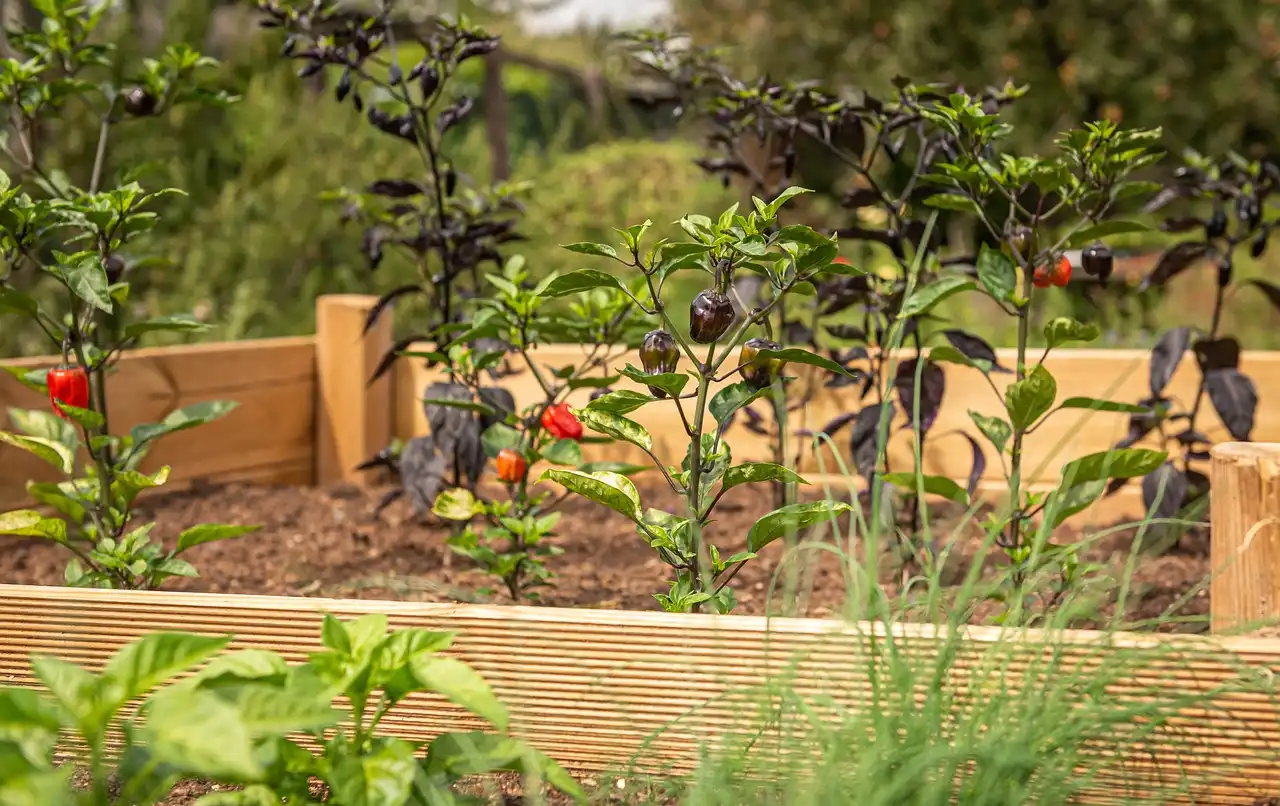
A solid starting mix is 50% topsoil and 50% compost by volume. University of Maryland Extension also gives 1:2 or 1:1 blends of compost with garden soil or purchased topsoil. A practical home mix often starts with 60% topsoil, 30% compost, and 10% aeration amendment when drainage needs help.
How to adjust it in small steps
Rural Sprout suggests changing the base recipe in 5% increments, with the final blend reaching 20% extra materials. That means a bed can shift from 50/50 to 55/35/10 or 60/30/10 without becoming a very different mix. Small changes are easier to correct if plants need more water retention or more drainage.
Crop-based targets
Leafy greens and herbs usually do well in a moisture-balanced mix with enough compost to feed fast growth. Tomatoes can use a deeper bed and a slightly airier blend if drainage is slow. Root crops need a loose, stone-free mix and enough depth for straight roots. Dense or rocky fill leads to forked carrots and stunted roots.
DIY raised bed soil mix calculator table
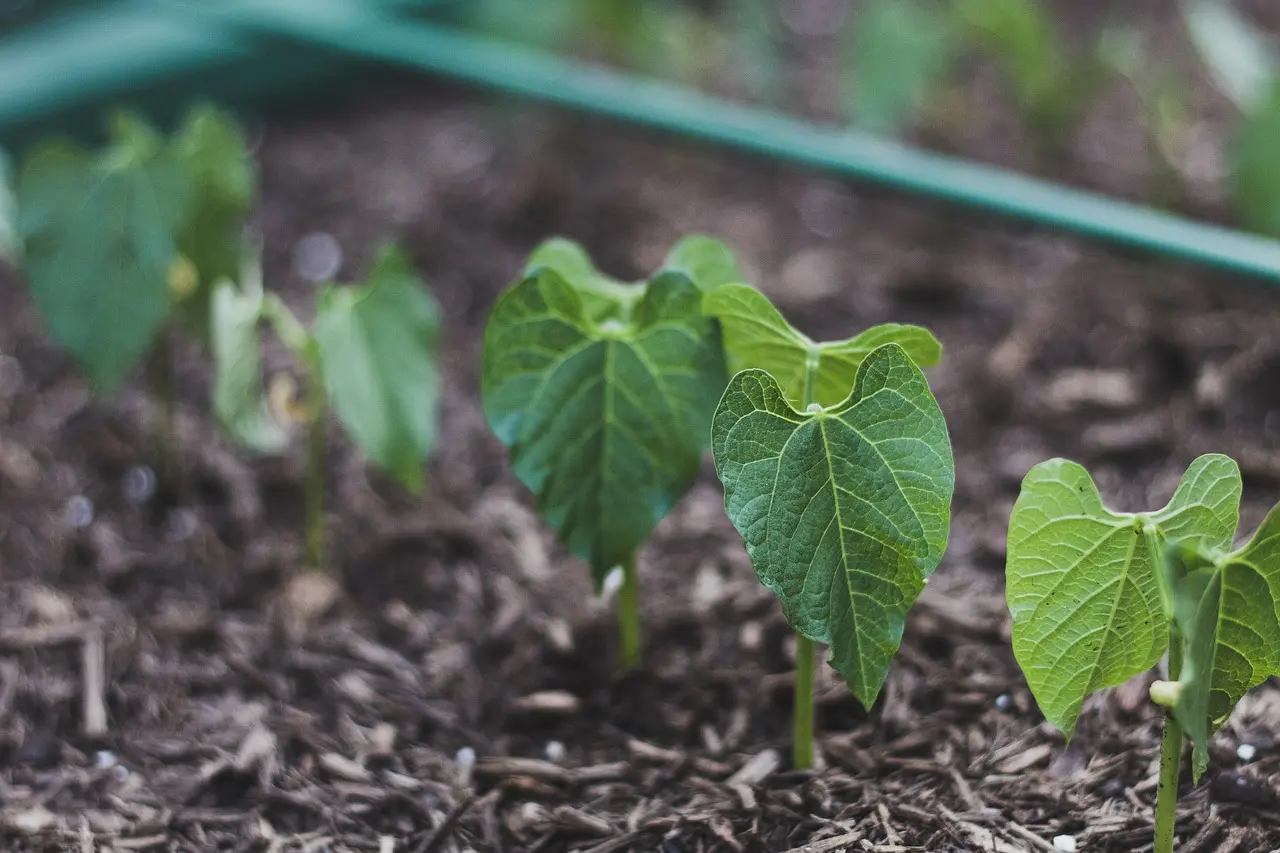
This table turns common bed sizes into buying quantities. The 50/50 column fits the basic starter mix. The climate-adjusted column shows a practical version for hot, dry weather or for wet sites that need a freer-draining blend. Use it to choose between bags, bulk delivery, or a partial top-up.
| Bed size | Depth | Total volume | 50/50 mix | Climate-adjusted mix | Notes |
|---|---|---|---|---|---|
| 2 × 4 ft | 6 in | 4 cu ft | 2 cu ft topsoil + 2 cu ft compost | 2.4 cu ft topsoil + 1.2 cu ft compost + 0.4 cu ft aeration amendment | Bagged soil is practical here. |
| 4 × 4 ft | 12 in | 16 cu ft | 8 cu ft topsoil + 8 cu ft compost | 9.6 cu ft topsoil + 4.8 cu ft compost + 1.6 cu ft aeration amendment | Use bulk if filling more than one bed. |
| 4 × 8 ft | 12 in | 32 cu ft | 16 cu ft topsoil + 16 cu ft compost | 19.2 cu ft topsoil + 9.6 cu ft compost + 3.2 cu ft aeration amendment | About 1.2 cubic yards total. |
| 4 × 8 ft | 18 in | 48 cu ft | 24 cu ft topsoil + 24 cu ft compost | 28.8 cu ft topsoil + 14.4 cu ft compost + 4.8 cu ft aeration amendment | Good for tomatoes and other deeper-rooting crops. |
| 3 × 6 ft | 12 in | 18 cu ft | 9 cu ft topsoil + 9 cu ft compost | 10.8 cu ft topsoil + 5.4 cu ft compost + 1.8 cu ft aeration amendment | Roughly 0.67 cubic yards total. |
When to swap ingredients
Use more compost when the bed needs biology and moisture holding. Use more topsoil when you need lower cost and more bulk. Add a small share of aeration amendment only when the bed drains too slowly or when rainfall is frequent. If the mix already feels loose, skip the extra drainage material.
How do I mix and fill it?
Blend the ingredients before filling so the bed does not stratify into layers. Fill in lifts, water each lift lightly, and let the mix settle before topping it off. A bed that looks full on day one often drops a few inches after watering and natural settling.
- Combine topsoil, compost, and any amendment on a tarp or in a wheelbarrow.
- Mix until the color and texture look even through the pile.
- Fill the bed halfway, then water enough to settle the mix without washing fines through the frame.
- Add the rest in lifts of about 4 to 6 inches, then water again.
- After settling, top off with the same mix and check the final depth against the crop plan.
Say your 4 × 8 ft bed sits in a hot, dry yard and will grow salad greens. A drier, faster mix can still need compost, but it does better with the 60/30/10 pattern instead of a heavy sand load. The extra aeration helps drainage while compost helps the bed hold water longer between irrigations.
Common mistakes
The most common failures are cheap topsoil, too much compost, and heavy sand use. Cheap fill can contain weeds, rocks, or trash, so screen and reject obvious debris. A compost-heavy mix can stay wet and collapse. Too much sand can make the bed dense instead of airy.
What to reject at delivery
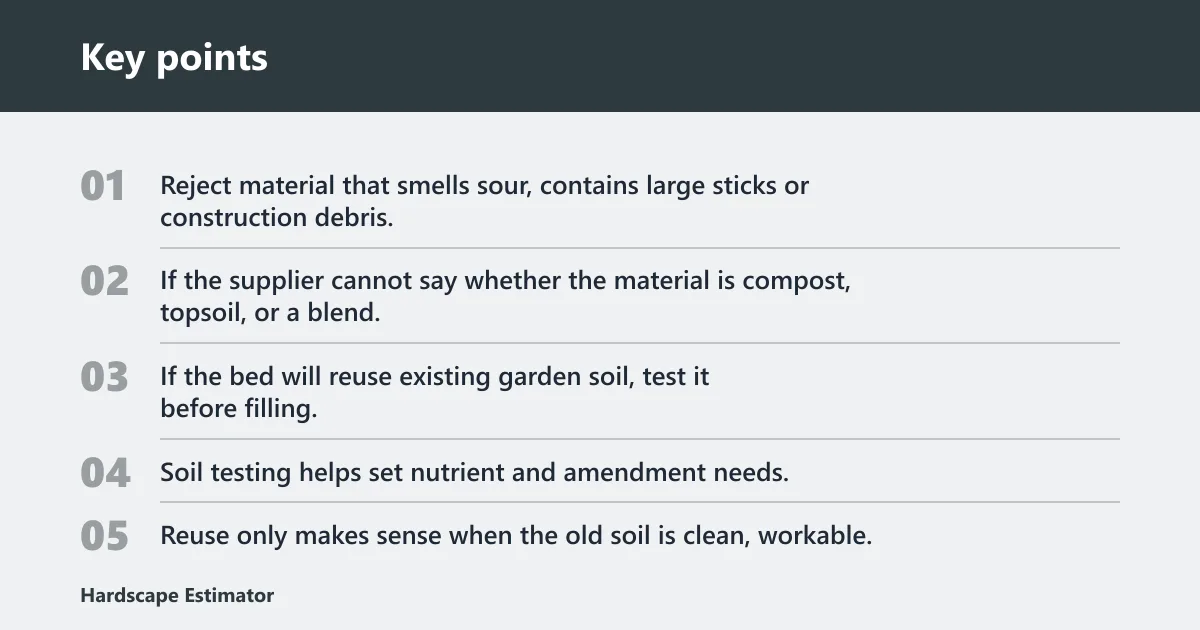
Reject material that smells sour, contains large sticks or construction debris, or looks gray and dead rather than dark and loamy. Topsoil should be screened and debris-free. If the supplier cannot say whether the material is compost, topsoil, or a blend, do not assume it is suitable for vegetables.
When to test reused soil
If the bed will reuse existing garden soil, test it before filling. Soil testing helps set nutrient and amendment needs, and lead testing matters for food beds. Reuse only makes sense when the old soil is clean, workable, and free of contamination concerns.
Suppose a gardener fills a 4 × 8 ft bed with a mix that is 80% compost because it seemed richer. The bed may hold too much water after rain, then slump and compact. The correction is to blend in screened topsoil and, if needed, a modest 5% to 10% aeration amendment at the next top-up.
Frequently asked questions
How do I mix my own raised bed soil?
Start with screened topsoil and finished compost, then blend them by volume before filling the bed. A 50/50 mix is a common starting point, and a wetter site can shift toward 60% topsoil, 30% compost, and 10% aeration amendment. Use cubic feet math first so you buy the right amount.
How much compost should I add to raised bed soil?
Compost is often half the mix in a basic recipe, and University of Maryland Extension gives 1:2 or 1:1 blends with garden soil or purchased topsoil. For many beds, 30% to 50% compost works well. If the bed stays wet, stay closer to 30%.
Can I use topsoil and compost for raised beds?
Yes. Topsoil and compost are the standard base ingredients for a raised bed mix, as long as the topsoil is screened and debris-free. Because topsoil quality varies widely, inspect what arrives and reject material with trash, stones, or obvious weed load. Add only a small amendment share if drainage needs improve.
How deep should raised bed soil be for vegetables?
A 6-inch soil depth is a general rule of thumb for many crops, but root crops like carrots need about 12 inches. Tomatoes fit better in about 18 inches. If the bed is shallower than the crop needs, the roots have less room, and moisture swings become sharper.
What is the cheapest way to fill a raised bed?
Bulk topsoil and bulk compost are usually cheaper than bags for several beds, and bulk topsoil is typically delivered by dump truck. Use bagged mix only for small beds or small top-offs. The cheapest fill is the one matched to the bed volume, with no leftover yardage sitting unused.