Screened Topsoil vs Compost: Which Should You Use?
Use screened topsoil when you need fill, grading, or a bed base deeper than about 2 in. Use compost as an about 1 to 2 in amendment mixed into the top layer, often when you want to improve soil fertility. Screened topsoil gives depth and shape. Compost gives nutrients, organic matter, and better soil function.
For most yard projects, the deciding factor is this: does the site need more root room, or does the soil need repair? If the answer is volume, choose screened topsoil. If the answer is biology, drainage, or nutrient hold, choose compost. Some projects need both materials.
Choosing between volume fill and soil amendment
| Factor | Screened topsoil | compost | Winner |
|---|---|---|---|
| Main job | Adds depth, coverage, and shape | Adds fertility, organic matter, and biology | Tie |
| Best use at scale | New lawns, grading, low spot fill | Amending beds and top-dressing small areas | Screened topsoil |
| Texture control | Available in coarse and fine grades | Usually chosen for nutrient content, not structural depth | Screened topsoil |
| Soil repair | Adds volume more than function | Improves clay structure and soil activity | compost |
| Cost at larger volumes | Usually lower per yard for fill work | Usually pricier per yard | Screened topsoil |
| Risk if used alone | Can leave poor soil biology unchanged | Can be too light or too expensive for grade-building | Tie |
Main job
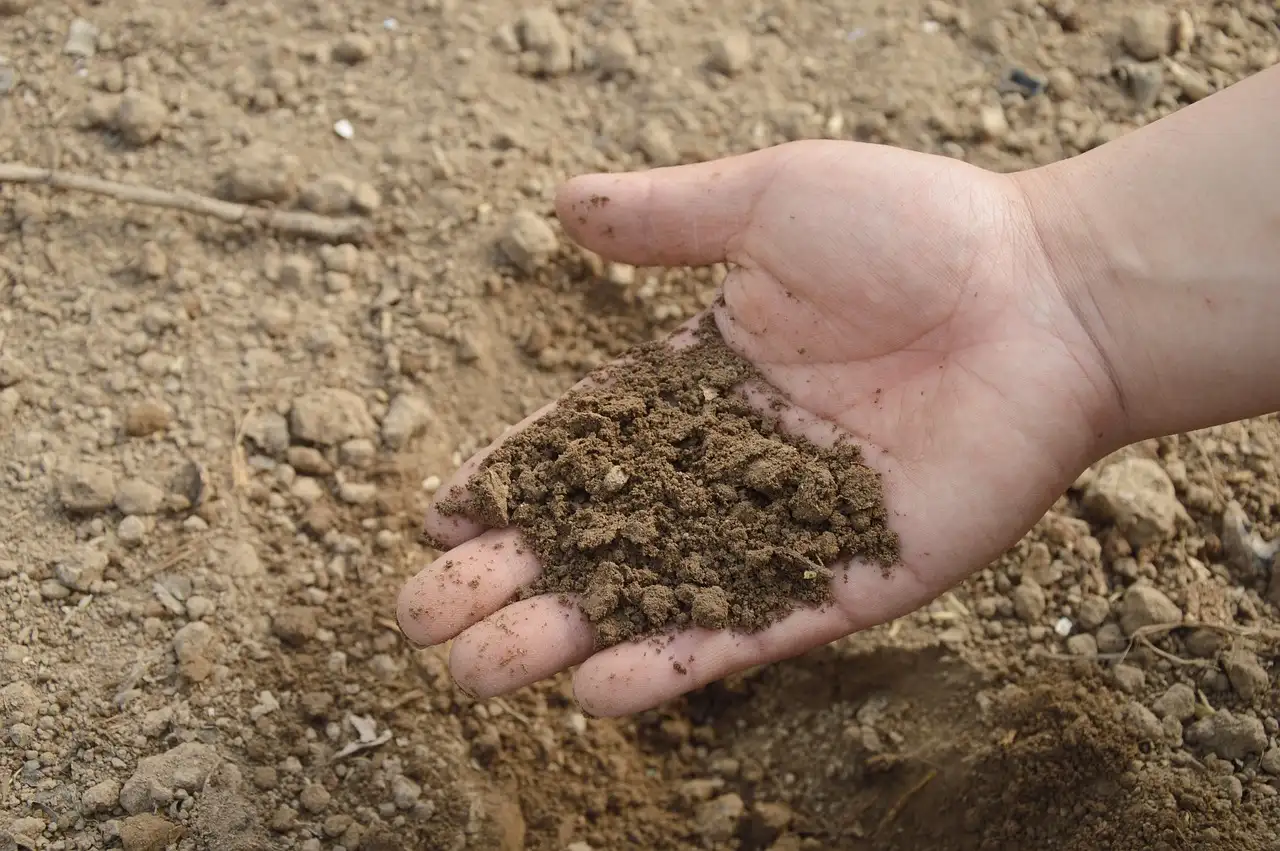
Screened topsoil is mineral soil with rocks and debris removed by screening. That makes it useful for volume, fill, grading, and new lawns. Compost is fully decomposed organic matter, so it changes how soil behaves more than how much ground it covers.
Best use at scale
For larger yards, screened topsoil usually wins because it does the structural work. Compost is excellent where each inch matters for soil quality, but it is not a practical substitute for building a lawn base or raising a low spot over a wide area.
Texture control
Screening grade matters. Coarser topsoil grades are good for laying turf, while finer grades are better for top dressing lawns. Economy topsoil generally has not been sifted or screened, so it can leave clods, sticks, and uneven texture that make finishing harder.
Soil repair
Compost is the better choice when the soil itself is the problem. Clay soil often benefits from compost because it improves drainage and structure. Topsoil alone may add depth, but it does little to correct tight, weak, or low-organic soil.
Cost at larger volumes
YardCalc lists screened topsoil at about $25–$50 per yard and compost at about $30–$60 per yard. At first glance that range looks close, but compost becomes expensive when the project needs several inches over a broad area. Bulk cubic yard pricing also shifts with region and delivery distance.
Risk if used alone
A common first-timer mistake is using compost to build grade over a broad area. That can be costly and the material may settle or feel too loose for a stable finish. The reverse mistake is using topsoil alone in a tired bed and expecting it to fix fertility or structure.
What does each material add?
Screened topsoil adds depth and a workable surface. Compost adds fertility, organic matter, and biology. Fill dirt sits outside that choice because it is subsoil with little to no organic content, used for structural fill and raising elevation, not for plant growth.
Screened topsoil
Screened topsoil is the material you use when you need a planting base that takes shape cleanly. General-purpose topsoil can be used when creating new borders or sowing fresh lawns, and screened recycled topsoil is described as a cost-effective alternative to new topsoil for grading and filling low spots.
Compost
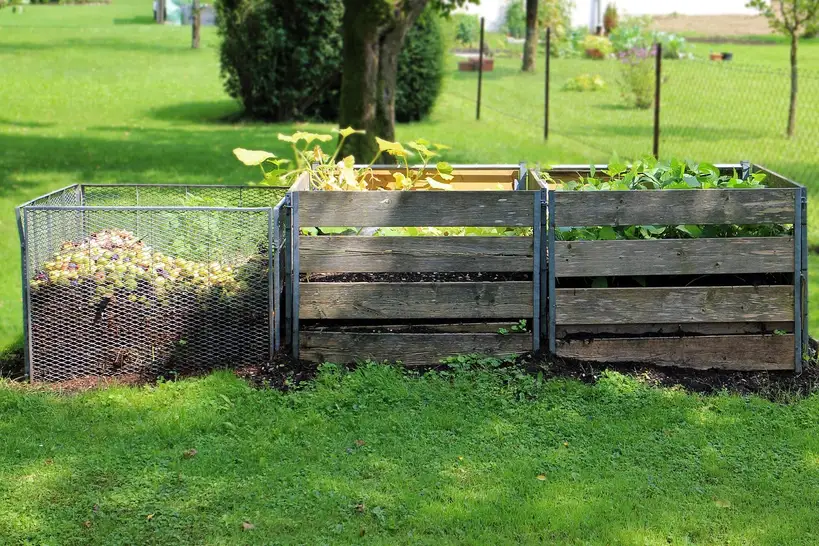
Compost is a soil amendment, not a full soil replacement. Screened compost is described as nutrient-rich material for plants and is used for amending garden soil before planting. It works best when mixed into existing soil or used as a thin top-dress, not when it has to carry the entire bed by itself.
Fill dirt
Fill dirt is the right call when the job is structural, not horticultural. It can raise elevation and help with rough grading, but it should not be used where roots need organic matter or a planting medium. If a supplier’s “topsoil” is really low-organic fill material, treat it as fill dirt, not as a bed amendment.
How do texture and screening grade change use?
Screen size changes what the material can do. Coarse screened topsoil is better for laying turf and building a base. Finer screened topsoil is better for smoother finishes and lawn top dressing. Unscreened material often brings rocks, clumps, and debris that make leveling and seeding uneven.
Coarse screened topsoil for turf and build-up
Coarser grades hold shape better when you are building a new lawn or filling a shallow depression. They still need to be free of large debris, but they do not need the same fine finish that top dressing requires. That makes them a practical choice for larger, rougher placements.
Fine screened topsoil for top dressing
Fine grades are better when the job is thin and precise. Lawn topdressing needs a finer material than coarse fill because it has to sift through turf without burying the grass. Compost or fine screened topsoil usually fits that role better than a coarse screened product.
Why unscreened material causes problems
Economy topsoil generally has not been sifted or screened. That can leave stones, wood, roots, and uneven clods that interfere with seed contact and surface leveling. For planting and lawns, screened material is usually the safer choice because the texture is more predictable.
What does each cost at scale?
Compost gets expensive in bulk when the project needs a lot of depth. Screened topsoil usually costs less for fill and grading because it is doing a different job. The real comparison is not just price per yard; it is price per finished inch over the area you need to cover.
Bulk cubic yard math
One bulk cubic yard equals 27 cubic feet. To estimate cubic yards, multiply square feet by depth in feet, then divide by 27. That makes it easy to compare a 1 in compost dressing with a 4 in lawn base or a deep fill job.
Say your lawn is 500 sq ft and you want 4 in of screened topsoil for a new lawn. The math is 500 × 4/12 = 166.7 cu ft, then 166.7 ÷ 27 = 6.2 yd. At $25–$50 per yard, the material cost is about $155–$310 before delivery.
Suppose a vegetable bed covers 200 sq ft and you want a 1.5 in compost top layer. The math is 200 × 1.5/12 = 25 cu ft, then 25 ÷ 27 = 0.93 yd. At $30–$60 per yard, that is about $28–$56 of material before delivery.
Why compost gets expensive in bulk
Compost is often used in thinner lifts, but if you try to use it for grade-building the volume adds up fast. A 4 in layer over a yard-sized area consumes a lot of cubic yards, and the higher per-yard range compounds the cost. That is why compost alone is a poor choice for large fill jobs.
Why topsoil is usually the lower-cost fill choice
Screened topsoil is usually the lower-cost way to build depth when the goal is a level surface rather than improved fertility. That is why it is common for new lawns, grading, and large volumes. If the soil needs structure and coverage more than nutrition, topsoil generally gives better value.
Topsoil compost decision matrix
This matrix gives the quick answer for eight common projects. It includes the material to choose, a simple blend when mixing makes sense, a rule of thumb, what not to use, and a sample cubic-yard calculation so the choice is tied to real yardage.
| Project | Best material | Recommended blend | Rule of thumb | Do not use | Sample cubic-yard calculation |
|---|---|---|---|---|---|
| New lawn | Screened topsoil | Topsoil base; add compost only if the existing soil is weak | Use about 4 in of screened topsoil | Compost alone | 400 sq ft × 4 in = 4.9 yd |
| Overseeding | Screened topsoil | Thin fine screened topsoil with a small compost share | Keep the cover light so seed still reaches soil | Deep compost cover | 500 sq ft × 0.5 in = 0.8 yd |
| Lawn topdressing | compost | Compost or fine screened topsoil | Use a fine material for a thin top dress | Coarse fill or unscreened soil | 1,000 sq ft × 0.25 in = 0.8 yd |
| Vegetable bed | compost | 60% topsoil, 30% compost, 10% perlite | Use a soil blend, not a single material | Topsoil alone in poor soil | 100 sq ft × 8 in = 2.5 yd total blend |
| Raised bed | Screened topsoil | Topsoil plus compost blend | Depth plus fertility matters | Fill dirt | 48 sq ft × 12 in = 1.8 yd |
| Low spot fill | Screened topsoil | Topsoil with compost only for the planting zone | Use fill material for shape first | Compost alone | 120 sq ft × 3 in = 1.1 yd |
| Grading | Screened topsoil | Topsoil or recycled topsoil for surface work | Match grade first, then amend only where plants go | Compost alone | 600 sq ft × 2 in = 3.7 yd |
| Soil repair | compost | Compost worked into the top layer | Fix the soil, not just the surface | Topsoil alone | 250 sq ft × 2 in = 1.5 yd |
New lawn and overseeding
General-purpose topsoil can be used when creating new borders or sowing fresh lawns, and the guide says a new lawn should use 4 inches of screened topsoil. For overseeding, the cover should be much thinner. The goal is seed contact and light protection, not a deep blanket of material.
Lawn topdressing
Lawn topdressing needs a finer material than coarse fill. Fine screened topsoil or compost is usually the better fit because the layer must spread evenly and settle around the turf. A coarse product can smother grass or leave the surface too rough to mow cleanly.
Vegetable bed and raised bed
Raised beds need both depth and fertility, so a blend is usually better than either material alone. The guide suggests a vegetable bed blend of 60% topsoil, 30% compost, and 10% perlite. That mix gives structure, organic matter, and air space in one load.
Low spot fill and grading
For low spot fill and grading, screened topsoil is usually the practical choice. Recycled screened topsoil is listed as a cost-effective option for grading and filling low spots. Compost alone is too expensive and too loose for most elevation changes.
Soil repair: when the soil is tight
When the soil is tight, weak, or biologically poor, compost is the better tool. It helps improve drainage and structure in clay soil, and it feeds the soil food web. Topsoil may cover the problem, but compost helps fix it.
Choose Screened topsoil if… / Choose compost if…
Choose Screened topsoil if the job needs depth, shape, or a new base for roots. Choose compost if the soil already exists and needs more fertility, better structure, or more organic matter. If both are missing, mix them rather than forcing one material to do both jobs.
Choose Screened topsoil if…
- You need to fill a low spot, build grade, or cover a larger area.
- You are starting a new lawn and need a base layer.
- You need a finer or coarser screened grade matched to turf or finishing work.
- The existing soil is acceptable in function but short on depth.
Choose compost if…
- You are improving an existing bed rather than building new elevation.
- The soil is clay, compacted, or low in organic matter.
- You want better nutrient retention and microbial activity.
- You are topdressing a lawn or mixing into a planting zone.
When to mix both materials
Mix both when the project needs structure and fertility in the same layer. Raised beds are the clearest case. A garden bed over poor native soil often benefits from screened topsoil for volume and compost for function, especially when the finished depth has to support roots for more than one season.
When to use fill dirt instead
Use fill dirt when the task is structural and plants are not the goal. It is subsoil with little to no organic content, so it can raise elevation or backfill a grade. If roots need support, choose screened topsoil or a soil-compost blend instead.
Frequently asked questions
Should I use screened topsoil or compost for a new lawn?
Use screened topsoil for a new lawn. General-purpose topsoil can be used for fresh lawns, and the guide says a new lawn should use 4 inches of screened topsoil. Compost can be added in a smaller amount if the native soil is poor, but it should not be the only layer.
Can compost replace screened topsoil in garden beds?
No, not by itself. Compost is a soil amendment, not a full soil replacement. It improves fertility and structure, but most garden beds still need some mineral soil or a blend that gives roots depth and support. Compost works best as part of a mix or as a top layer.
When is screened topsoil the better choice than compost?
Screened topsoil is better when the task is fill, grading, or building a planting base. It is also the better choice for low spots and new lawns, where volume matters more than extra fertility. Compost is the stronger pick only when the soil needs repair rather than added depth.
Can you mix screened topsoil and compost together?
Yes. Mixing them is often the most practical option for raised beds, vegetable beds, and tired planting areas. Topsoil supplies body and volume, while compost improves nutrient content and soil function. A common mix for vegetable beds is 60% topsoil, 30% compost, and 10% perlite.
How much compost should be mixed into topsoil?
For many planting jobs, a 1 to 2 in compost layer mixed into the top layer is a useful starting point. The exact ratio depends on the soil and the crop, but the goal is usually amendment, not replacement. Too much compost can make the mix too light or too rich.
Is compost better for clay soil than topsoil?
Yes. Clay soil usually benefits more from compost because compost improves drainage and structure. Topsoil mainly adds volume, so it may bury the problem without changing how the soil behaves. If clay is the issue, compost is usually the better first material.
What is the difference between screened topsoil and screened compost?
Screened topsoil is mineral soil with rocks and debris removed by screening. Screened compost is fully decomposed organic matter that has been screened for texture. One is mainly for depth, fill, and grading; the other is mainly for fertility, organic matter, and better soil function.
Do I need screened topsoil or fill dirt for grading?
Use screened topsoil if the graded area will support plants, turf, or a lawn. Use fill dirt if the area only needs structural raising and will not rely on plant growth. If you are unsure, ask whether the supplier’s “topsoil” contains enough organic matter for planting or is really low-organic fill material.