Topsoil Depth: How Much You Need
For most projects, use about 3–4 in of topsoil for seeding, 4–6 in for sod, and 6–8 in for garden beds; use more only when grading or poor subsoil makes it necessary. Too little topsoil limits rooting and water storage. Too much adds delivery cost and can settle after installation. This guide shows how depth affects lawn performance, drainage, settling, and the cubic yards to order.
Topsoil is the upper mineral-rich surface layer, and its natural depth varies drastically by region and soil type in undisturbed ground; it is usually darker than the soil below because it contains more organic matter and active root growth. In soil science, that surface layer is the A horizon, where most plant roots and soil biology are active. For estimating, the simpler point is this: depth changes the usable root zone, stored moisture, and finish-grade adjustment a project actually gets.
Natural topsoil depth and imported topsoil depth are different questions. A yard may already have some topsoil, but a lawn renovation, raised bed, or low-spot repair still needs a project-specific added depth based on use, subsoil condition, and final grade.
What topsoil depth actually controls
Rooting depth and plant establishment
Depth sets the root zone. New seed started on a thin skim of soil dries fast, roots shallowly, and struggles in heat. A deeper layer holds more water and gives roots more loose soil before they hit compacted subsoil.
That is why minimum workable depth and best-practice depth are not the same. A lawn may germinate with less than 3 in of added topsoil in some places, but establishment is less forgiving where subsoil is compacted, stony, or low in organic matter.
Drainage, oxygen, and compaction
Depth also affects air and water movement. Quality topsoil contains roughly 45% mineral particles, about 25% air, about 25% water, and about 5% organic matter. That balance matters because roots need pore space as much as moisture.
For most planting work, a loam with a moderate mix of sand, silt, and clay is the safest default because it drains better than heavy clay fill but still holds enough water and nutrients for lawns and beds. Compared with heavy clay fill, a loamy screened or blended topsoil is easier to grade, drains more predictably, and still holds nutrients and water well enough for lawns and beds.
Settlement, finish grade, and delivered volume
Every added inch changes both finish elevation and order size. Raise a broad area by 2 in instead of 1 in, and the cubic yards double. That affects truck count, delivery minimums, and how much soil may settle after placement and watering.
For a 1,200 sq ft front yard at about 5 in deep, the soil volume is roughly 18.52 cubic yards. Compared with ordering 3 in, that extra 2 in adds about 7.41 cubic yards, enough to change delivery cost, bury borders, and push water toward the house if grade is not reset correctly.
How deep should topsoil be for a lawn?
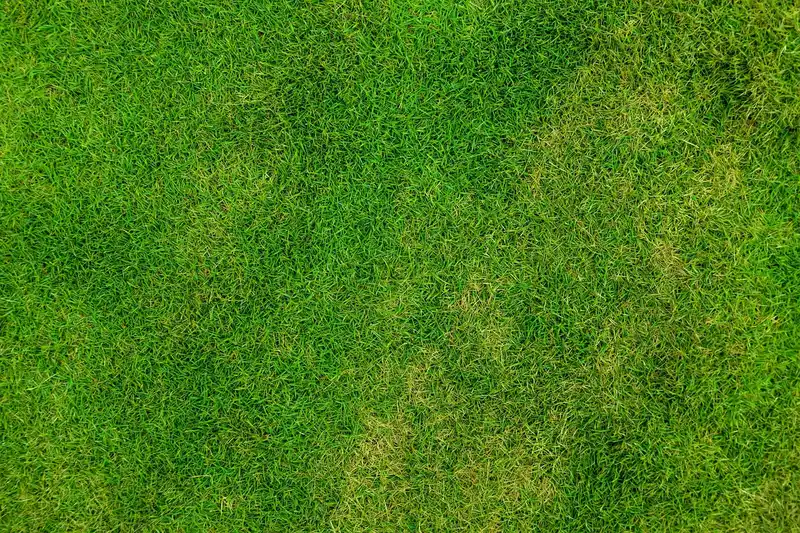
For lawns, depth depends on whether the job is a new seedbed, sod installation, or light topdressing. A practical range is 3-4 in for seeding, 4-6 in for sod, and only a thin layer for overseeding. Adding thick topsoil over existing grass usually smothers turf and changes drainage.
New lawn from bare soil
For a seeded lawn, 3-4 in of workable topsoil is the usual target when the existing base is poor, compacted, or exposed subsoil. That gives enough root zone for early establishment without raising grade more than necessary.
For sod, 4-6 in is the more common target because sod performs better over a deeper, evenly graded, well-raked soil layer. The added depth helps rooting move down rather than staying in the sod seam.
A 500 sq ft new lawn at 4 inches deep needs 6.17 cubic yards. That number shows why depth matters: dropping the plan to 3 in would cut volume by one quarter, while increasing to 6 in would add half again as much soil.
Overseeding and topdressing
Topdressing is not the same as building a new lawn profile. The goal is a light layer that works into the canopy and surface irregularities, not a blanket thick enough to bury live grass.
A 1,000 sq ft lawn topdress at half an inch deep needs 1.56 cubic yards. That is a useful benchmark because many homeowners picture “just a little soil,” then find that even a thin layer adds up fast over a full yard.
Adding soil over existing grass
Adding more than a thin topdressing over live turf is where problems start. Grass blades get buried, crowns stay wet, and the old surface settles unevenly under the new layer. Thick applications also hide edging, block curb reveal, and can leave a lawn holding water where it used to drain.
If the goal is to correct broad low areas, the better approach is usually repeated light topdressing or a partial renovation, not dumping several inches over an established lawn. Near trees, added soil should not be piled against trunk flare or root crowns.
A common first-timer mistake is trying to fix a 20 ft by 20 ft bumpy lawn by spreading 3 in across the whole area over living grass. The surface may look flatter on day one, but the turf underneath is short of light and air, and the repaired area often settles into a patchy, soggy rectangle.
How much topsoil do flower and garden beds need?
Garden and flower beds usually need more depth than lawns because roots are larger, cultivation is deeper, and plants rely on the bed as their main rooting zone. A sound range is 6-8 in for vegetable beds and 4-6 in for most flower beds, adjusted for existing soil condition.
Vegetable gardens
Vegetable beds generally need 6-8 in of workable soil at minimum, with deeper profiles useful where native soil is compacted or very poor. Straight imported topsoil is not always the best fill. Many suppliers sell garden soil or planting blends made from mineral topsoil plus composted organic material, which usually gives better tilth, better moisture retention, and more even fertility than plain fill soil.
If the existing soil below drains reasonably, adding blended soil in that range often performs better than laying a thin layer over hardpan. Imported topsoil alone can still work, but texture matters more than the label on the load.
Flower beds and foundation plantings
Flower beds commonly perform well at 4-6 in of added topsoil where the base soil is decent and grades permit it. Use the shallower end for refreshing a bed with acceptable soil below, and the deeper end where subsoil is exposed, compacted, or full of rubble.
Keep final grade below siding, weep screeds, and other building clearances. More soil is not automatically better along a foundation if it traps splash, covers edging, or changes slope toward the wall.
Raised beds and blended fills
Raised beds are a volume-planning job first. A 4’×8′ raised bed, 12 inches deep, needs 1.19 cubic yards. Many raised beds are filled with a blended soil rather than straight topsoil so the mix drains, holds moisture, and stays workable.
For raised beds deeper than about a foot, buyers often compare bulk blended soil with bags because bag count climbs fast. Depth should still be chosen by crop and bed design, not by whatever fills a truck most neatly.
What is the average topsoil depth in a yard?
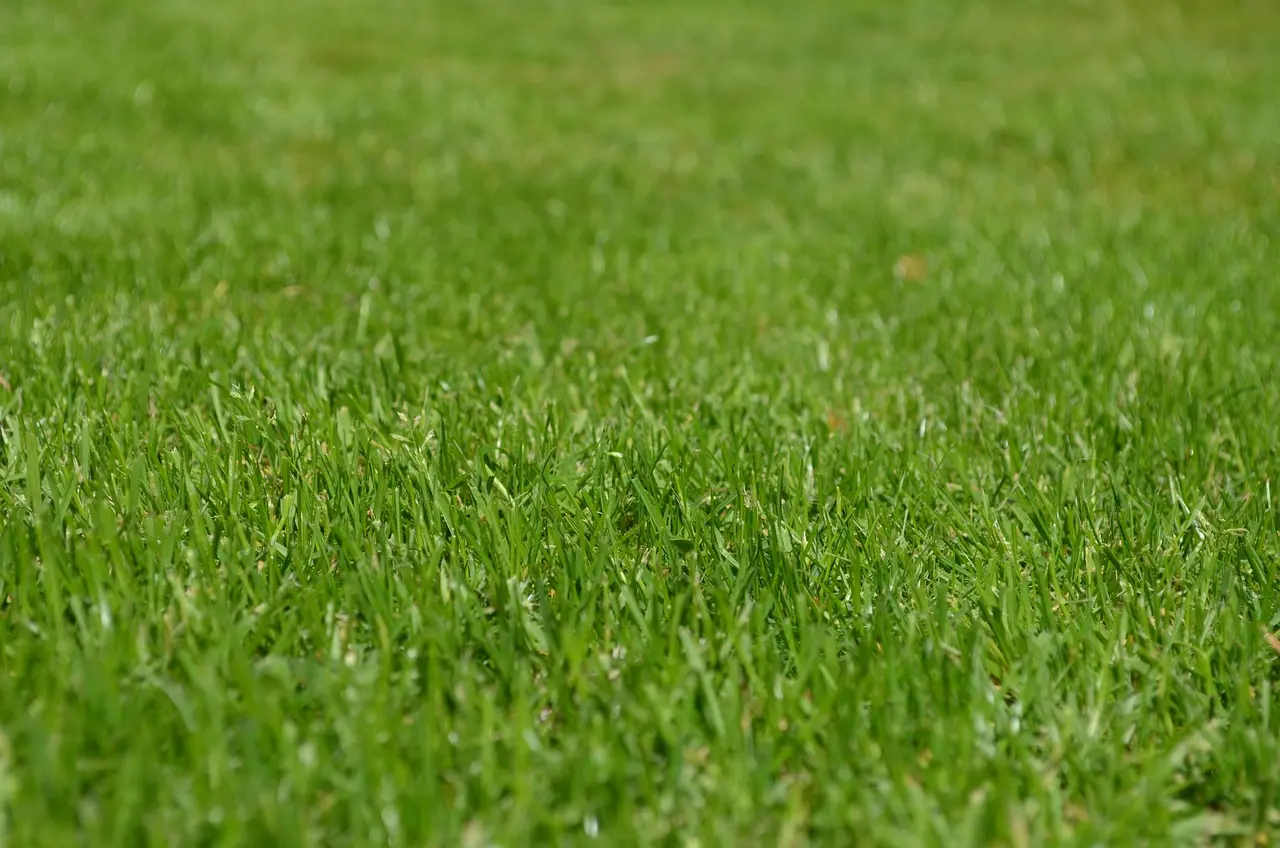
The average natural topsoil depth in a yard varies widely, so it is a poor standalone estimating input. Natural topsoil depth varies drastically by region and soil type, but imported depth for a project should be based on intended use, existing compaction, and final grade limits, not a broad yard average.
Natural soil profile vs imported topsoil
The surface profile has layers. The O horizon is surface organic material such as leaves and decaying plant matter. Below that sits the A horizon, which is topsoil. The B horizon is subsoil, lighter in color and lower in nutrients. Beneath those is the C horizon, the less-weathered parent material.
Those natural layers matter because a yard with intact topsoil is different from a new-construction yard scraped down to subsoil. Two homes on the same street may need very different imported depths.
Why yards vary from site to site
Construction, erosion, prior fill, tree removal, and repeated regrading all change what remains at the surface. Some yards have decent loam under the grass already. Others have compacted subsoil a few inches down, with little real root zone left.
When average depth is the wrong estimating input
If the project has a target finish height, a drainage problem, or existing turf to preserve, “average yard topsoil depth” is mostly trivia. The estimating question is how much added soil the project can use without creating new problems.
Topsoil depth decision table
Use-case depth and volume chart
| Project | Recommended depth | Cubic yards per 100 sq ft | Approx. 0.75 cu ft bag count | Underfill risk | Overfill risk |
|---|---|---|---|---|---|
| New lawn from seed | 3-4 in | 0.93-1.23 | 34-44 bags | Shallow rooting, fast drying, uneven color | Extra settling, higher cost, grade too high at walks and edging |
| Overseeding topdress | 0.25-0.5 in | 0.08-0.15 | 3-6 bags | Seed left exposed, poor soil contact | Existing grass buried, thatchy wet surface |
| Vegetable beds | 6-8 in | 1.85-2.47 | 67-89 bags | Restricted rooting, low moisture reserve | Unneeded cost if native soil below is already workable |
| Flower beds | 4-6 in | 1.23-1.85 | 44-67 bags | Weak establishment in poor subsoil | Buried edging, mulch wash, grade against siding |
| Low-spot repair | 1-3 in per lift | 0.31-0.93 | 11-34 bags | Dip remains visible after rain | Smothered turf, trapped water if slope is not corrected |
Bag counts above use the arithmetic for 0.75 cu ft bags: one cubic yard contains 27 cu ft, so 27 ÷ 0.75 gives about 36 bags per cubic yard. For 1 cu ft bags, multiply cubic yards by 27 instead.
How do you calculate topsoil by depth?
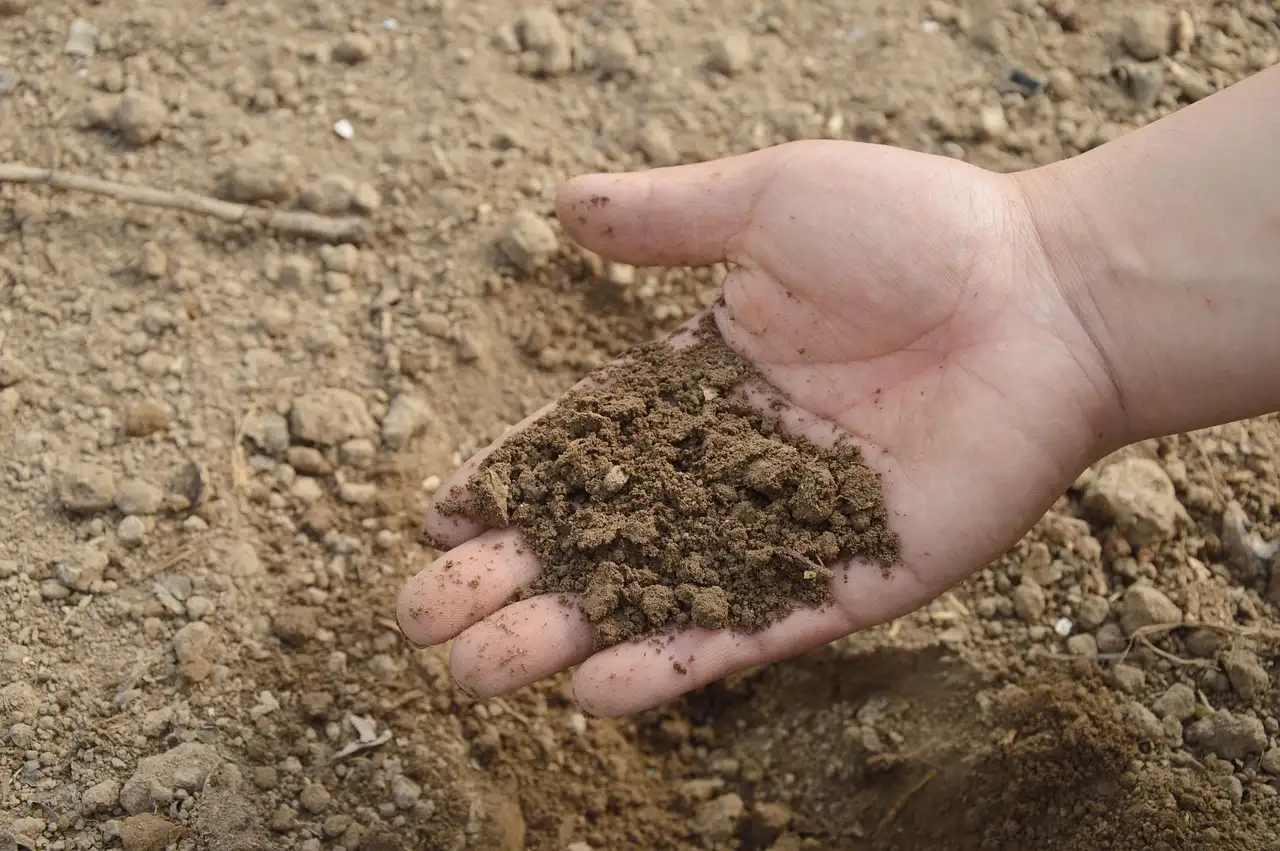
Calculate topsoil by converting depth from inches to feet, multiplying length by width by depth, then dividing by 27 to get cubic yards. That simple formula works for lawns, beds, and repairs. The main estimating error is choosing the wrong depth, not doing the math wrong.
Use the cubic yard formula
A cubic yard equals (Length × Width × Depth in feet) ÷ 27. If depth is given in inches, divide inches by 12 first.
For quick estimating on 100 sq ft, these conversions help:
- 0.5 in = 0.15 cubic yards
- 1 in = 0.31 cubic yards
- 2 in = 0.62 cubic yards
- 3 in = 0.93 cubic yards
- 4 in = 1.23 cubic yards
- 6 in = 1.85 cubic yards
- 8 in = 2.47 cubic yards
Worked examples
- Measure the area. Multiply length by width for rectangles, or break curved spaces into smaller rectangles and add them. Use feet so the final formula stays simple.
- Set the depth. Choose depth by project use and existing soil, not by guesswork. For example, use 4 in for a new seeded lawn on poor subsoil or 0.5 in for a light topdress.
- Convert inches to feet. Divide the planned depth by 12. A 4 in layer becomes 0.333 ft, while a 0.5 in topdress becomes 0.0417 ft.
- Calculate cubic feet. Multiply area by depth in feet. A 500 sq ft lawn at 4 in gives about 166.7 cu ft of soil.
- Convert to cubic yards. Divide cubic feet by 27. That same 500 sq ft lawn comes to 6.17 cubic yards, which matches the worked example above.
- Round with a plan. Round only after checking delivery increments, access, and finish grade. A small overage may help with raking losses, but rounding every project up by a full inch is expensive.
Say your side yard is 12 ft by 30 ft and needs a 2 in repair layer after trench settlement. The math is 12 × 30 × 0.167 = about 60 cu ft, then 60 ÷ 27 = about 2.22 cubic yards. Ordering for 4 in instead would double the soil with no drainage benefit if the issue is only settlement.
Which topsoil type fits each depth and project?
Match product type to both planting use and planned depth. Screened topsoil is usually easier for lawns and finish grading, unscreened topsoil is cheaper but rougher, and blended soils often make more sense for beds and raised planters. Loam remains the safest all-purpose texture for most projects.
Screened vs unscreened topsoil
Unscreened topsoil is usually the budget option. It may contain clods, stones, roots, and variable texture, so it is less suited to fine lawn grading or thin topdressing.
Screened topsoil is passed through a screen to remove larger debris and break up clumps. That makes it easier to spread in thinner layers and rake to a uniform finish.
Blended topsoil, lawn soil blend, and garden soil
Blended topsoil mixes mineral soil with compost or other amendments. Lawn soil blends are commonly sold for seeding and topdressing because they spread cleanly and improve seed-to-soil contact. Garden soil is often richer and more organic, making it better for beds than for broad lawn grading.
For raised beds, many suppliers recommend a blended fill rather than plain topsoil. That is mainly a structure choice. The bed needs a mix that will not crust hard, drain too slowly, or shrink dramatically after watering.
What to inspect before buying
Check color, texture, moisture, and debris content. Dark color alone is not enough. A useful load should crumble rather than smear into sticky slabs, and it should not contain large trash, heavy root mats, or excessive wood fragments.
How much does depth change weight, delivery, and cost?
Moisture-based weight per cubic yard
Topsoil weight changes with moisture content. A broad working range is about 1,500-3,000 lb per cubic yard, and moist topsoil is often around 2,400 lb per cubic yard. That is why “a yard of soil” can feel manageable on one order and heavy on the next.
Truck load planning and delivery minimums
Depth changes tonnage fast. Add 1 in across 1,000 sq ft, and the order increases by about 3.09 cubic yards. At moist weight, that extra inch is roughly 7,416 pounds of material before accounting for the truck itself.
This matters for driveway unloading, wheelbarrow hauling, and whether a supplier delivers in loose bulk, small dump loads, or palletized bags. Thin topdressing may pencil out in bags near a small entry courtyard, while deeper lawn or bed work usually favors bulk delivery.
Overage risk from rounding depth up
Depth inflation is one of the easiest ways to overspend. The difference between 3 in and 4 in is only 1 in on paper, but it increases material volume by one third. On a wide yard, that can mean another partial truck, another delivery fee, or a leftover pile with nowhere useful to go.
When added topsoil causes problems
Smothered turf and buried crowns
Thick soil placed over live grass can bury crowns and block air. Similar trouble happens around trees and shrubs when new soil covers trunk flare or root crowns. Soil should not be piled against fence bases, edging, hardscape borders, or house components that need exposure.
Drainage changes and trapped water
Extra topsoil does not fix every drainage issue. If water ponds because of slope, outlet blockage, or subgrade compaction, adding soil may simply move the water elsewhere. Raising one area without checking surrounding elevations can create a basin at the patio, sidewalk, or foundation.
When a pro should step
Bring in a contractor, arborist, or engineer when the project changes site drainage, alters grade near a foundation, affects retaining structures, or adds soil in tree root zones. Imported topsoil is a planting medium, not a substitute for drainage design or structural fill.
Frequently asked questions
How much topsoil do I need for a new yard?
Estimate a new yard by area and intended depth, then use cubic yards. A seeded yard commonly uses 3-4 in, while sod often uses 4-6 in. Multiply length by width by depth in feet, then divide by 27. Check final grade at walks, drives, and foundations before ordering.
How much topsoil should I add over existing grass?
Over existing grass, keep additions thin enough to work into the turf canopy. A light topdress is usually appropriate, several inches is usually harmful. Thick layers smother grass, bury crowns, and change drainage. For larger depressions, repair in lighter lifts or renovate the area instead.
What topsoil depth do vegetable gardens need?
Vegetable gardens generally need 6-8 in of workable soil, with deeper profiles useful where native soil is compacted or poor. Blended garden soil often performs better than plain topsoil in this use because texture and organic content matter as much as raw depth.
How much topsoil do flower beds need?
Most flower beds need 4-6 in of added topsoil when the underlying soil is acceptable but needs improvement. Use the shallower end for bed refreshes and the deeper end over poor subsoil. Keep grade below siding and do not bury edging, trunk flare, or the crowns of existing plants.
Can too much topsoil hurt grass?
Yes. Too much added topsoil over existing grass can smother turf, hold excess surface moisture, settle unevenly, and bury edging or nearby trunks. Even on bare areas, unnecessary depth adds cost and can alter drainage. More soil only helps when the site actually needs more root zone or grade correction.