What Is the Best Gravel for a Retaining Wall Base?
The best gravel for a retaining wall base is a compactable, angular crushed stone in the 3/4 in. minus range for the footing base; use clean drainage stone behind the wall when the system calls for it, not automatically under the base. A weak base can settle, lean, or open joints, which means repair work and possible wall failure. This guide separates base gravel from drainage gravel and gives a simple chooser by wall type, soil, and manufacturer spec.
This guide is part of our Retaining wall base: depth, gravel, width, and drainage series.
What gravel works best for a retaining wall base?
The best choice depends on the wall system. For the first course, use a compactable base material that can be leveled and packed tight. For drainage behind the wall, use clean angular stone with no fines when the spec calls for it. Do not treat those two jobs as the same, because they solve different failure risks.
Separate the base from the drainage zone
The base under the first course carries the wall. The drainage zone behind the wall releases water. If the same material is used for both without checking the spec, you can end up with a base that compacts poorly or a drainage zone that traps water.
Drainage is generally intended to reduce hydrostatic pressure. When water builds up behind a wall, it pushes hard on the blocks and backfill. Clean stone and a drain pipe reduce that pressure; a compacted base keeps the wall from settling.
Match the product to the wall system spec
For segmental retaining wall systems, the manufacturer can override general gravel rules. Some systems want dense-graded base material. Others want open-graded stone in the drainage area and a separate leveling pad. When the spec calls for a certain base, follow it even if a supplier labels a similar mix differently.
Region-specific names cause confusion. #57, Class 2, Class 5, road base, and crusher run do not mean the same thing everywhere. Check the gradation, not just the name on the truck ticket.
Base gravel vs drainage gravel
Base gravel must compact into a stable pad under the first course. Drainage gravel must let water move freely to the pipe and out of the wall system. Open-graded stone is excellent for drainage, but it is not always the right leveling base because it may not lock together the way a dense-graded mix does.
What the base layer must do
The base layer needs strength, a flat top, and predictable compaction. It should resist movement under the wall’s dead load and keep the first course level. That is why compactable blends such as crusher run, Class 2 gravel, or a manufacturer-approved base rock are commonly used.
What the drainage zone must do
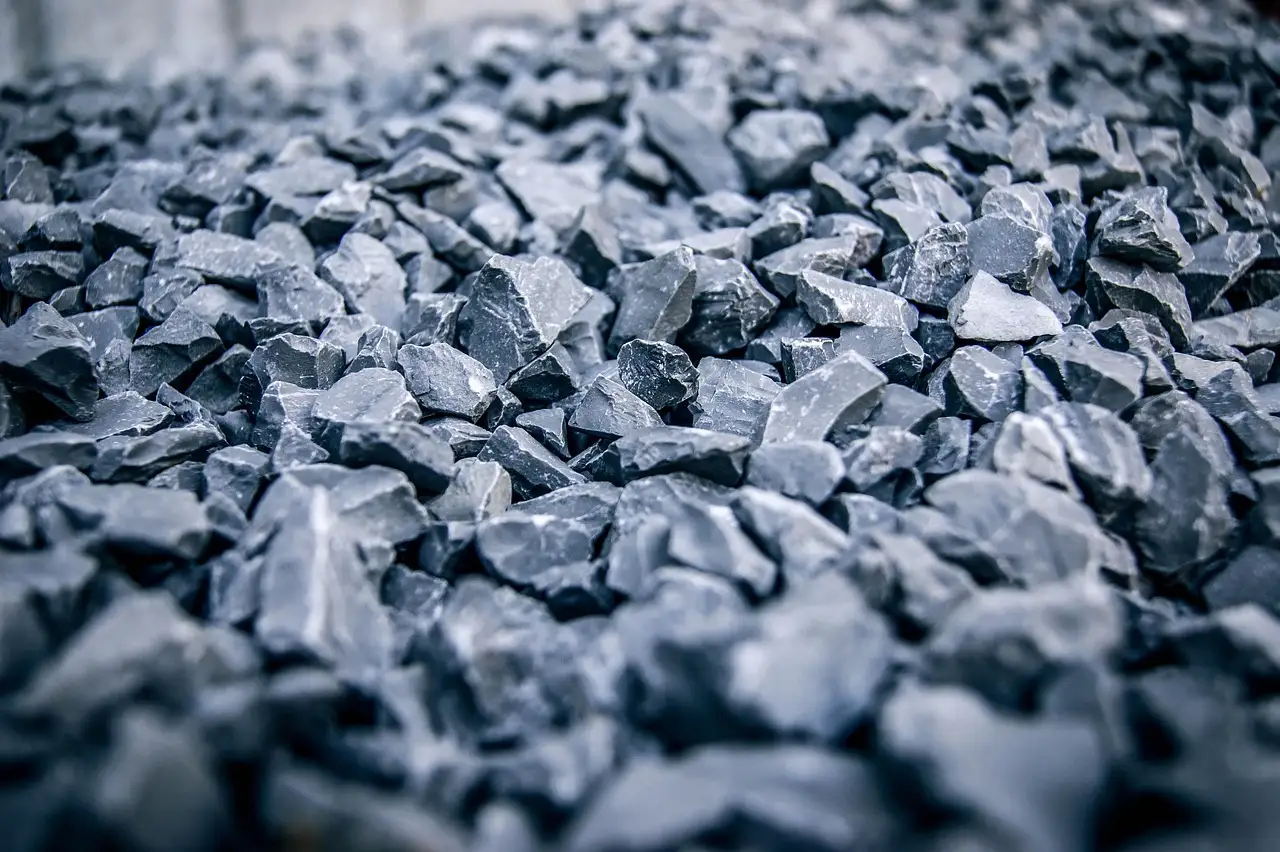
The drainage zone needs void space. That lets water fall through the stone instead of sitting against the wall. Clean angular stone is preferred here because it has no fines. Rounded pea gravel can move too easily and does not interlock as well.
Why open-graded stone is not always a base
#57 stone is a common open-graded drainage aggregate and is often used in drainage backfill. It can work in some systems, but it is usually thought of as drainage stone, not a universal leveling base. #3 crushed limestone is a larger open-graded aggregate in many markets, so it is better suited to drainage or certain high-load systems than to a standard first-course pad.
Suppose a 24-inch wall is built on open-graded stone under the first course because the supplier called it “wall rock.” The blocks may level at first, but the stone can shift under load if it was not part of the approved base design. That is a small wording problem with a large repair bill.
Which gravel types can work under a retaining wall?
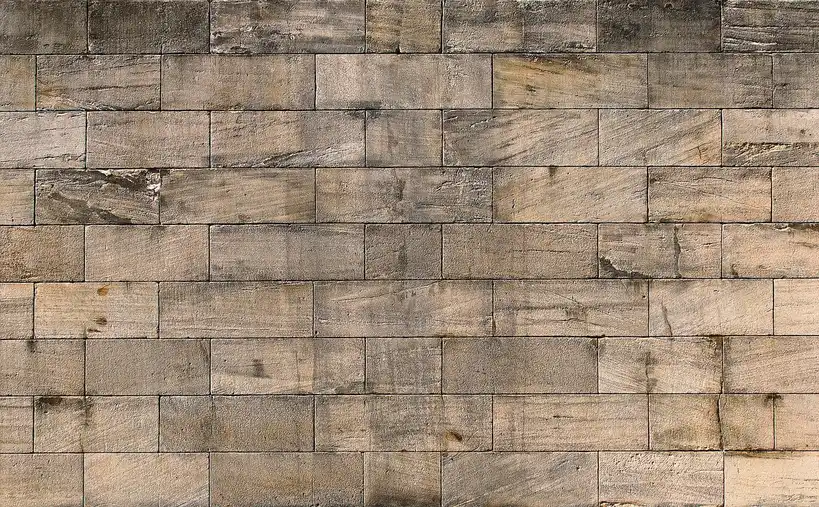
Several products can work under a retaining wall, but only when their gradation fits the wall type. Crusher run and other dense-graded blends compact well. Class 2 gravel is a blend of fines and larger aggregates up to 3/4 inch, so it can form a solid base. Class 5 base rock is also commonly used as a retaining wall base material. #57 stone is more often drainage stone than leveling stone.
Crusher run and other dense-graded blends
Crusher run is a common compactable base material. Because crusher run contains stone dust and smaller particles, it locks up tightly when compacted in layers.
That makes it useful where predictable compaction matters. It is less suited to drainage zones because the fines slow water movement.
Class 2 gravel and similar compactable bases
Class 2 gravel is described as a blend with fines and larger aggregates up to 3/4 inch. That type of gradation can compact into a solid foundation, which is why it fits under the first course on many walls. It is a base material, not a clean drainage stone.
When Class 5 base rock fits long walls
Class 5 gravel is commonly used as base material for retaining walls. In practice, it is a dense-graded base product rather than a single-size stone. That makes it useful for long walls that need a stable, compacted foundation, as long as the local supplier’s gradation matches the wall spec.
Why #57 stone is usually drainage, not leveling
#57 or #78 stone is commonly used for drainage zones. That size works well for drainage backfill, but it is not the first choice for a dense, level base unless the wall manufacturer specifically allows it.
Base material selector
This table separates a compacted structural base from a free-draining backfill zone. Use it as a first-pass selector, then check the wall manufacturer’s details before ordering. The right product depends on wall height, soil drainage, and whether the system calls for dense-graded or open-graded stone.
| Wall type | Soil condition | Acceptable base aggregate | When not to use it |
|---|---|---|---|
| Small segmental wall | Well-drained native soil | Crusher run or Class 2 gravel for the footing base; #57 stone behind the wall if the system calls for clean drainage stone | Do not use pea gravel or loose rounded stone under the first course; compact in layers and keep drainage stone separate from the base |
| Taller wall or tiered system | Mixed fill with moderate drainage | Class 5 base rock or a manufacturer-approved dense-graded base; 3/4 inch to 1 1/2 inches clean stone for drainage backfill | Do not assume #57 is a leveling base; use it only where the system accepts open-graded material and drainage details are designed for it |
| Clay soils | Poor draining soil that holds water | Compactable base such as crusher run, plus clean angular drainage stone behind the wall and a perforated drain pipe | Do not rely on native clay as backfill; do not use sand as the main drainage zone because it can hold water and migrate |
| Engineered wall or manufacturer-controlled system | High load or site-specific design | Use the specified base product only, often a dense-graded or approved crushed stone base; follow the drainage stone size called for by the system | Do not substitute a similar-looking aggregate by name alone; supplier labels vary and the gradation may not match the design |
Compaction and drainage note: compact the base in 4 inches per lift when the material and spec allow it, and keep the drainage zone open so water can move to the pipe. The same stone rarely does both jobs well.
How thick should the gravel base be?
The recommended base layer depth depends on wall height, embedment, soil bearing conditions, and the block manufacturer’s details. The common starting point for many residential walls is 4 to 6 inches, but the final thickness should follow the specific wall design instead of the general range.
Base depth under the first course
A thin base can leave the wall riding on soft spots. A base that is too thick may be harder to level evenly. The starting range is common for many residential walls, but the final depth should follow the block manufacturer or engineer when they give a different number.
Compaction in lifts
Gravel placement should be 4 inches per lift for proper compaction. That means the base should not be dumped to full depth and left loose. Build it in lifts, compact each lift, and then set the first course on a flat, firm pad.
- Excavate to the required base depth.
- Place the compactable aggregate in a 4-inch lift.
- Compact each lift before adding the next.
- Check level across the full wall length.
- Set the first course only after the pad is firm and even.
When the wall design changes the depth
Some taller walls, tiered systems, or engineered walls need more than the usual base detail. In those cases, the design can change the base depth, the drainage width, and the drain pipe layout. Walls over about 4 feet may need engineering or permit review.
Can you use pea gravel, sand, or crusher run?
Crusher run is often acceptable for the base when the wall system allows a dense-graded base. Pea gravel and sand are usually poor choices under the first course because they do not lock together the same way. Sand also does not belong as the main drainage material behind the wall.
Why pea gravel is a poor base choice
Pea gravel is round. Round stone shifts more easily than angular crushed stone, so it does not resist movement as well under load. It can also be difficult to keep the first course from sliding during installation.
A common first-timer mistake is to choose pea gravel because it looks clean and drains well. Drainage is only part of the job. The base also has to carry the wall, and pea gravel is weak on that part.
When sand is not acceptable
Sand can level a paver bed, but that does not make it a good retaining wall base. It can wash out, hold water in the wrong place, and lose shape under load. For retaining walls, a compactable crushed aggregate is the safer choice unless the wall maker specifically calls for another system.
Where crusher run is useful and where it is not
Crusher run is useful under the first course because it compacts tightly. It is not the best choice for the drainage zone behind the wall because the fines reduce water flow. Use it for the structural base, then switch to clean angular stone for drainage.
How drainage details protect the wall
Drainage details reduce hydrostatic pressure, which is one of the main reasons retaining walls fail. A perforated drain pipe at the base behind the wall carries water away. Geotextile fabric keeps native soil from washing into the stone and clogging the drainage zone.
Perforated drain pipe placement
The drain pipe should sit at the base behind the wall so water can collect and move out of the system. A slight slope helps water leave the wall instead of pooling at the bottom.
Geotextile fabric as a separator
Geotextile fabric belongs between the drainage stone and native soil when the soil can migrate. It keeps clay and silt from filling the voids in the stone. Without that separator, drainage performance drops over time.
How water pressure causes failure
When the drainage zone clogs, water pressure builds. The wall can bow, rotate, or open at the joints. Clean stone, a drain pipe, and a separator fabric reduce that risk by giving water a path out of the wall instead of a force path into it.
Frequently asked questions
What gravel should I use for a retaining wall base?
Use a compactable crushed aggregate for the first course, such as crusher run, Class 2 gravel, or a manufacturer-approved base rock. Use clean angular stone behind the wall for drainage, not as the main leveling pad. Check the wall spec first, because some systems require a specific base product.
What size gravel is best for a retaining wall base?
For many residential walls, the best base material is a compactable crushed stone in the 3/4 in. minus range, not a loose open-graded stone. The right size is the one that compacts and stays stable under the first course. Open-graded drainage stone belongs behind the wall.
Can I use pea gravel for a retaining wall base?
Pea gravel is usually a poor base choice because it is rounded and does not interlock well. It may move under load and make leveling harder. It can work as drainage stone in some settings, but it is not the best material under the first course of a retaining wall.
Can I use crusher run under a retaining wall?
Yes, crusher run is often used under retaining walls when the system allows a dense-graded base. It compacts well and creates a firm pad for the first course. It should not be used as the drainage zone behind the wall, because the fines reduce water flow.
How thick should the gravel base be under a retaining wall?
The recommended base layer depth depends on wall height, embedment, soil bearing conditions, and the block manufacturer’s details. The starting range is common for many residential walls, but some systems require more, so use the block manufacturer’s detail if it conflicts with the general range. Compact the base in 4 inches per lift.
What is the difference between base gravel and drainage gravel?
Base gravel is meant to compact and support the wall. Drainage gravel is meant to let water move freely behind the wall and into the drain pipe. Dense-graded mixes work better for the base, while clean angular stone with no fines works better for drainage.