Do You Need a Trailer Instead of a Pickup for Bulk Materials?
Use a trailer when the load comes close to the truck’s payload rating, or when it would take several trips in the bed. If the material stays well under payload, the pickup bed may be enough. A bad estimate can overload the truck, hurt handling, and add time and fuel with extra runs. This guide uses a weight-first check for choosing a pickup or trailer for bulk materials.
Pickup vs trailer at a glance
The trade-off is weight first. A pickup may have room for a few cubic yards, but passengers, tools, fuel, and tie-down gear still count against payload. A trailer adds space, yet tongue weight and tow limits still matter.
| Decision point | Pickup bed | Trailer |
|---|---|---|
| Main limit | Payload on the door-jamb sticker | Tow rating, hitch rating, and trailer GVWR |
| What counts against the truck | Passengers, tools, fuel, and cargo | Tongue weight plus anything in the cab or bed |
| Best use | Smaller loads under payload | Heavier loads, frequent hauls, or easier unloading |
| Cleanup and unloading | Manual shovel or hand unload | Dump trailer can tip out loose material |
| Risk if guessed wrong | Rear suspension, tires, and brakes can be overworked | Truck can be overloaded before trailer reaches GVWR |
Do you need a trailer instead of a pickup?
Use a trailer when the load is near your truck’s payload limit, when the material is dense and wet, or when the job needs more than one pickup load. If the material stays well under payload and the trip is short, the pickup bed may still be the simpler choice.
When pickup bed capacity is enough
A pickup bed is usually enough when the estimated load, plus passengers and cargo, stays below the door-jamb payload sticker. Dry mulch, light topsoil, or a small amount of gravel can fit this case. Bed volume may be the first thing you notice, but payload sets the limit.
When multiple pickup loads make more sense
Multiple loads can be cheaper than renting a trailer when the material is only slightly over one truckload and the site is close. If the truck can carry a legal, safe partial load with no trailer, a second trip may cost less than trailer rental, fuel, and extra hookup time.
When a trailer is the safer choice
A trailer is the safer move when the material is dense, wet, or large enough that the truck would be near payload even with only part of the bed filled. It is also the better choice when unloading by hand would be slow or when the haul needs to stay covered and contained.
Pickup payload vs tow rating
Payload and tow rating are different limits. Payload is how much weight the truck can carry in and on it, including people, tools, fuel, and cargo. Tow rating is how much trailer weight the truck can pull. A truck can have room to tow but still be over payload.
Door-jamb payload sticker
The payload number comes from the yellow tire and loading sticker on the driver’s door jamb. It varies by trim, cab, drivetrain, engine, and options. That sticker is the number that matters for cargo in the truck and for tongue weight from a trailer.
Tow rating by truck setup
Most manufacturers list tow ratings by configuration, not by body style alone. Axle ratio, engine, transmission, cooling package, hitch, and drivetrain all affect the limit. A half-ton pickup may tow a light trailer, but only if the actual rating supports the loaded trailer weight.
Why payload and towing are different limits
Towing capacity answers, “How much can the truck pull?” Payload answers, “How much weight can the truck carry?” A trailer shifts part of the load behind the truck, but the tongue still pushes down on the hitch and counts against payload. That is where many estimates go wrong.
Bulk material weight table
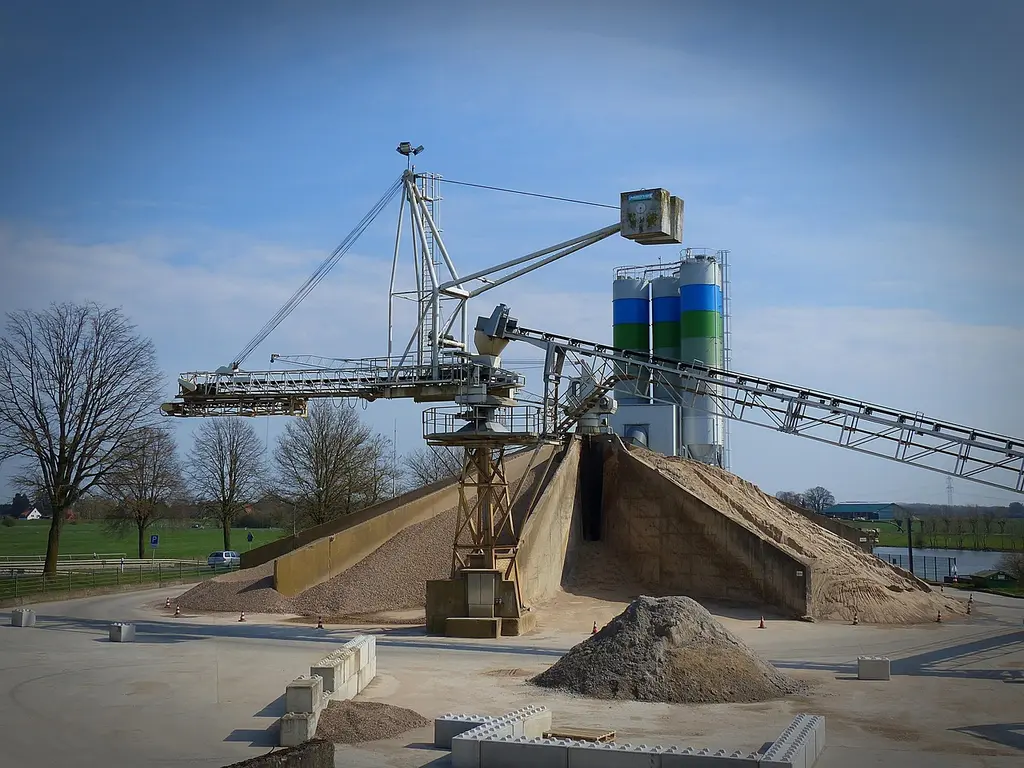
These figures are planning numbers, not fixed weights. Material density changes with moisture and compaction, so the same cubic yard can weigh much more after rain or when packed tight. A cubic yard equals 27 cubic feet, but volume alone does not tell you whether the haul is safe.
| Bulk material | Estimated pounds per cubic yard | Pickup bed OK | Multiple loads | Trailer recommended |
|---|---|---|---|---|
| Mulch | 400 to 800 lb/yd³ | Usually | For larger jobs | When volume gets large |
| Topsoil | 1,600 to 2,200 lb/yd³ | Small loads only | Common | Often for wet or deep loads |
| Gravel | 2,600 to 3,000 lb/yd³ | Rarely for full yards | Sometimes for partial loads | Often for full yards |
| Sand | 2,700 to 3,200 lb/yd³ | Rarely for full yards | Sometimes for partial loads | Often for full yards |
| Stone | 2,700 to 3,400 lb/yd³ | Rarely | Sometimes | Usually |
A common first-timer mistake is to order “one yard” and assume every material acts the same. One yard of mulch may fit in a pickup bed. One yard of wet gravel or stone can be far heavier than the truck’s remaining payload after passengers and tools are counted.
Gravel pounds per cubic yard
Gravel is usually one of the heavier common hardscape materials. A dry yard may land around 2,600 to 3,000 lb, and wet gravel can weigh more. That is why a full cubic yard often pushes a pickup toward trailer territory.
Topsoil and mulch pounds per cubic yard
Topsoil varies widely because moisture and organic content change the weight. Dry topsoil can be manageable in a pickup, but wet topsoil can get heavy fast. Mulch is much lighter, so volume, not weight, is more often the limiting factor.
Sand and stone pounds per cubic yard
Sand and stone are dense enough that weight becomes the first limit for many pickups. Even a moderate-looking pile can exceed payload once the cab is occupied. For these materials, trailer choice usually comes before bed volume runs out.
Truck bed volume vs safe load
Short, standard, and long beds give different cubic-foot capacities, but bed volume does not equal safe payload. Sidewalls can make a load look smaller than it is, and loose material can mound above the bed rails. The truck may still be overloaded long before the bed appears full.
Short, standard, and long beds
A short bed often holds around 5.5 to 6.5 ft of length, a standard bed around 6.5 ft, and a long bed around 8 ft. Those dimensions help plan space, but they do not tell you how much weight the truck can legally and safely carry.
Why sidewall height can mislead
Loose mulch may sit high in the bed without much weight. Wet soil or stone may sit lower and still weigh far more. The visible pile is not the limit; the sticker is. That is why the same bed can be fine for mulch and too heavy for gravel.
How do you know whether the issue is volume or weight?
If the load fills the bed but stays well under payload, the issue is volume. If the load is still below the bed rails but pushes the truck near its payload sticker, the issue is weight. Use cubic yards for planning, then convert to pounds before deciding on pickup or trailer.
- Estimate the load in cubic yards.
- Use a material weight range, not a single number.
- Multiply cubic yards by pounds per cubic yard.
- Add passengers, tools, fuel, and any other cargo.
- Compare the total to the truck’s payload sticker.
- If using a trailer, add tongue weight to the truck total.
- Check tow rating and hitch rating before loading.
Suppose a pickup has about 1,600 lb of payload on the sticker. Two adults and tools take about 500 lb, leaving about 1,100 lb. A single cubic yard of wet topsoil at 2,000 lb does not fit safely in that remaining capacity, even though the bed may still look open.
Picture a half-ton pickup with about 1,900 lb of payload, one driver, one passenger, and about 200 lb of tools. A light utility trailer carrying about 1,500 lb of mulch may seem easy, but a common rule of thumb is that 10% tongue weight adds about 150 lb back to the truck. That still has to fit under payload.
Choose a pickup if… / Choose a trailer if…
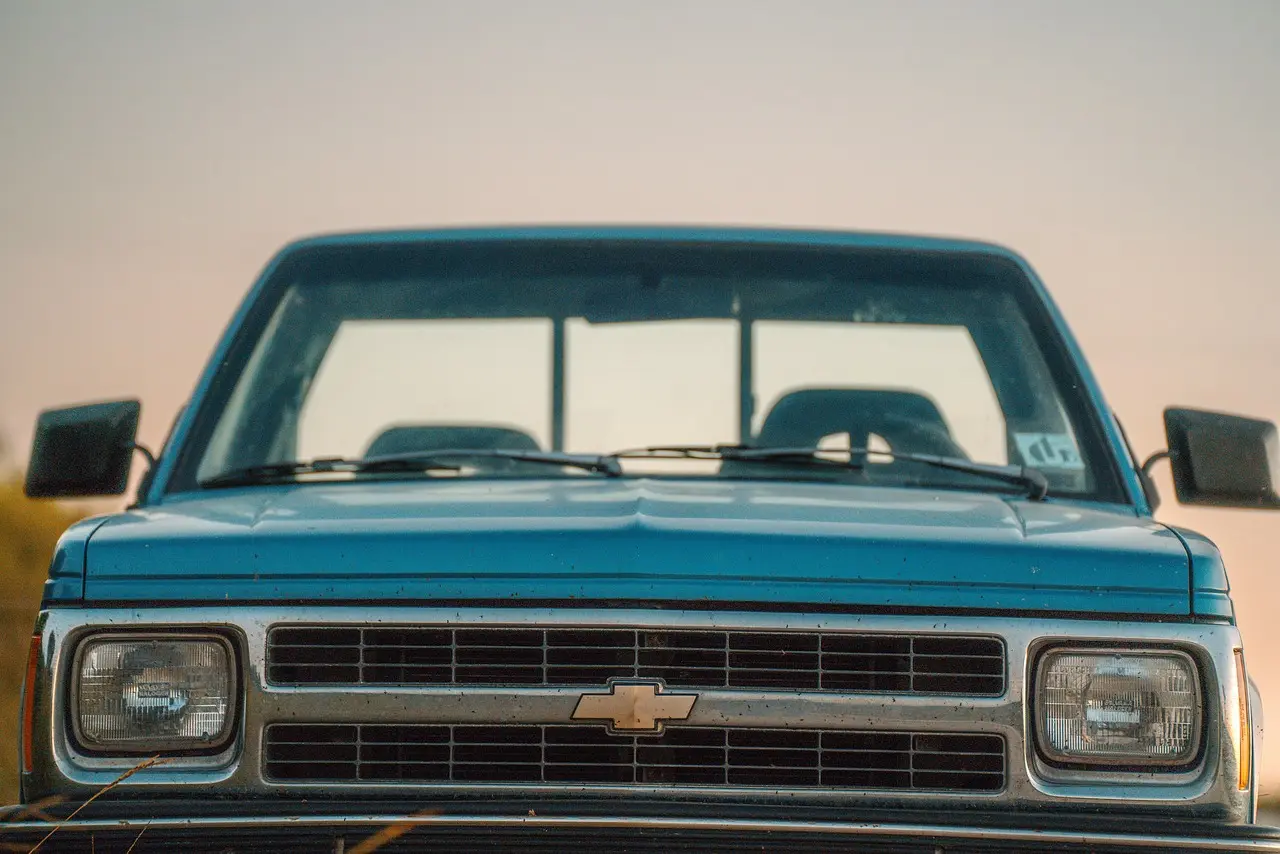
Choose the pickup if the material is light enough that passengers, fuel, and cargo still leave a comfortable payload margin. Choose the trailer if the load is heavy, wet, or awkward to unload, or if the trip would otherwise require repeated runs that cost more time than trailer rental.
Choose a pickup if…
- The estimated total stays well below payload.
- The material is light, such as mulch or a small amount of dry topsoil.
- The haul is short and unloading by hand is reasonable.
- You do not need the trailer to handle securement or dumping.
Choose a trailer if…
- The load is gravel, sand, stone, or wet soil close to payload limits.
- You want to keep the truck bed free for tools or passengers.
- The job is larger than one safe pickup load.
- Dumping the load in place will save labor.
Choose a utility trailer if…
A utility trailer is a good fit for bagged material, lighter loose material, and mixed loads. It is usually lighter than a dump trailer and can be easier to rent or borrow. It still needs securement, and loose material should be covered so it does not blow out on the road.
Choose a dump trailer if…
A dump trailer makes sense when the material is loose, heavy, or messy to unload by hand. Common sizes such as 5×8, 6×10, and 7×14 can move a lot of material, but the trailer GVWR, hitch rating, and tow rating still control what is safe.
Frequently asked questions
Do I need a trailer instead of a pickup for gravel, soil, or mulch?
Often, yes for gravel and wet soil, and sometimes for mulch. Gravel and moist topsoil get heavy fast, while mulch is usually light enough for a pickup if the load is modest. The right answer depends on payload after passengers, fuel, and tools are counted.
How much bulk material can a pickup carry before it is overloaded?
There is no universal yard count. A truck with 1,500 lb of payload may handle a small mulch load, but not much gravel or wet soil. Divide the payload by the material’s estimated pounds per cubic yard, then subtract room for passengers and cargo.
When is a dump trailer better than hauling in the truck bed?
A dump trailer is better when the material is heavy, loose, or awkward to unload. It also helps when the site needs the load dropped in place with less shoveling. The trailer still must stay within its GVWR, and the truck must stay within tow and hitch limits.
What payload limit should I use for my pickup truck?
Use the payload number on the driver’s door-jamb sticker. Do not guess from bed size or model name. That sticker already accounts for the truck’s actual configuration, and it is the number that must cover passengers, cargo, and tongue weight.
Can I safely tow a trailer with a half-ton pickup?
Sometimes, but only if the actual tow rating, hitch rating, and payload rating all fit the loaded trailer. A half-ton can tow a light utility trailer or small dump trailer in some setups. It cannot safely tow any trailer just because the trailer looks small.
What type of trailer is best for topsoil, gravel, or pavers?
A utility trailer works for lighter topsoil or bagged pavers. A dump trailer is better for loose gravel or heavy soil because it simplifies unloading. For dense materials, the trailer choice matters less than staying inside the truck’s tow rating, hitch rating, and payload limit.
Should I make multiple pickup loads or rent a trailer?
Make multiple pickup loads when the material is only slightly over one safe truckload and the site is close. Rent a trailer when the extra trips would take more time, when the material is heavy, or when tongue weight plus cargo would push the truck near its limit.