How Much Does a Wheelbarrow of Soil Weigh?
A wheelbarrow of soil can vary widely in weight depending on fill level, soil type, moisture, and wheelbarrow size. If you guess low, you buy extra trips, overload the tray, or strain the handles. Below, we break down pounds by fill level, soil type, moisture, and wheelbarrow size.
Wheelbarrow soil weight basics
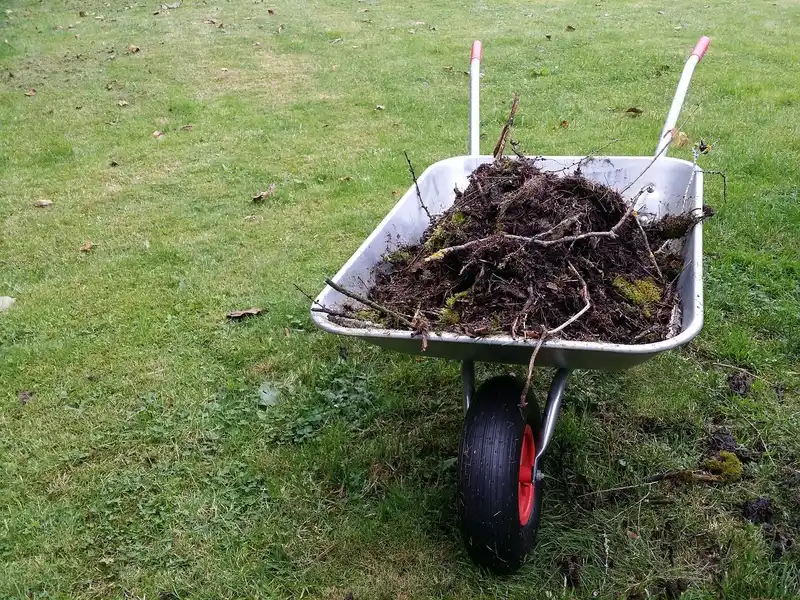
A wheelbarrow’s stated capacity is usually given in cubic feet, not pounds. Most wheelbarrows range from 2 to 8 cubic feet, and the 6 cubic foot wheelbarrow is described as the average size. That number tells you volume, but not the working weight you can move comfortably.
Soil weight changes with moisture and composition. Dry, screened topsoil is lighter than moist topsoil, and wet soil can get much heavier after rain or saturation. A full tray can look manageable and still be far beyond a practical one-person carry.
Capacity in cubic feet
Use cubic feet first, then convert to pounds. A cubic yard equals 27 cubic feet, so a 3 cubic foot load is one-ninth of a yard. That makes wheelbarrow math easier when you are planning trips, estimating labor, or deciding whether to split the load.
Practical hauling is often smaller than stated capacity. The tray may hold more, but a larger load is not always easier to push.
Why fill level matters
Fill level changes weight fast. A quarter-full tray can be easy to steer, while a heaped tray can push the load into a range that is awkward on slopes, rough ground, or soft turf. Two wheelbarrows with the same nominal capacity can feel very different depending on how high the material is piled.
A heaped contractor wheelbarrow load can be much heavier than a partially filled one. That is the point where a one-person move often stops being efficient, even if the wheelbarrow itself can technically hold the volume.
Dry, moist, and wet soil
Dry topsoil is the lightest of the three common conditions here. Moist topsoil is heavier, and wet topsoil can be much heavier again. The same wheelbarrow can get significantly heavier after a rain event if the soil is saturated.
Wet topsoil can reach about 3,000 pounds per cubic yard, so moisture alone can add a large amount to the same tray volume.
How much does a wheelbarrow of soil weigh?
For a practical hauling estimate, a half-full wheelbarrow of soil usually lands in a moderate working range, and a heaped load often lands higher depending on moisture and wheelbarrow size. Dry topsoil sits near the low end. Wet, fine soil pushes quickly toward the high end.
The same pile can vary greatly because water adds mass and clay content holds that water differently than a loose, screened mix. That is why one yard estimate is useful for planning, but a fill-level estimate is better for actually moving the load.
Quick answer by fill level
If you want the short version: quarter-full is usually a light haul, half-full is the common working range, two-thirds full is near the upper practical range, and heaped is the load that deserves a second look before you push it. The table below turns those fill levels into pounds.
Why the same load can vary
Two identical-looking wheelbarrow loads can differ because of moisture, organic content, and how finely the soil is screened. Screened topsoil is usually finer and more uniform, while unscreened soil can include clumps and heavier patches. Rain increases hauling weight significantly.
Suppose a 6 cubic foot wheelbarrow is filled with dry screened topsoil to half its tray. That is about 3 cubic feet. Fill the same tray with wet soil after heavy rain, and the weight can rise enough that the handles feel noticeably harder to lift.
Wheelbarrow soil weight table
The figures below use the table values as volume-based estimates, not safe working limits. “Heaped” means a mound above the rim, not a flat fill line. It is a planning number, not a promise of a safe one-person carry.
| Wheelbarrow size | Fill level | Dry topsoil | Moist topsoil | Wet topsoil |
|---|---|---|---|---|
| 4 cu ft | Quarter-full | 81 lb | 95 lb | 111 lb |
| 4 cu ft | Half-full | 162 lb | 190 lb | 222 lb |
| 4 cu ft | Two-thirds full | 216 lb | 253 lb | 296 lb |
| 4 cu ft | Heaped | 356 lb | 418 lb | 488 lb |
| 6 cu ft | Quarter-full | 122 lb | 143 lb | 167 lb |
| 6 cu ft | Half-full | 243 lb | 285 lb | 333 lb |
| 6 cu ft | Two-thirds full | 324 lb | 380 lb | 444 lb |
| 6 cu ft | Heaped | 534 lb | 627 lb | 732 lb |
| 8 cu ft | Quarter-full | 162 lb | 190 lb | 222 lb |
| 8 cu ft | Half-full | 324 lb | 380 lb | 444 lb |
| 8 cu ft | Two-thirds full | 432 lb | 507 lb | 592 lb |
| 8 cu ft | Heaped | 712 lb | 836 lb | 976 lb |
These table values are volume-based estimates, not safe working limits. A 6 cubic foot wheelbarrow filled half full is already around 243 lb with dry topsoil, which shows why fill level matters.
How much does a wheelbarrow of dirt weigh?
“Dirt” usually means fill dirt or garden soil, and fill dirt is often heavier than some topsoil mixes. A wheelbarrow of dirt can therefore weigh more than a wheelbarrow of screened topsoil at the same fill level. For the same tray volume, fill dirt can be the heavier choice.
Sand is a separate case. It is usually heavier than dry topsoil by volume, so a wheelbarrow of sand can move into the difficult range quickly. Treat sand as a heavier load than the same volume of loose soil unless the supplier gives a specific weight.
Fill dirt versus topsoil
Fill dirt is commonly used for construction fill and backfill. It is commonly reported to be on the heavier side. That means a wheelbarrow full of fill dirt is not automatically a lighter job than a wheelbarrow full of topsoil.
Screened topsoil is usually better for spreading and grading because it is finer and more uniform. Unscreened material can contain rocks, roots, and clumps that change how the load packs in the tray. The fewer voids, the heavier the bucket or tray can be for the same visible height.
Basic sand comparison
Sand deserves its own caution. For hauling, sand is commonly treated as heavier than topsoil at the same volume, especially when damp. If the job calls for multiple wheelbarrow loads, the added weight can matter as much as the number of trips.
A simple rule is this: if the load feels close to the edge of control with soil, assume sand will be worse and cut the batch size before you start. That is safer than finding out midway across a lawn or driveway.
How many trips does it take to move a yard of soil in a wheelbarrow?

One cubic yard equals 27 cubic feet. Since a practical wheelbarrow load is about 3 cubic feet, one yard can equal about 9 realistic wheelbarrow trips. Smaller fills take more trips; larger fills take fewer trips, but the load gets heavier and harder to handle.
Bagged topsoil often comes in 0.75 to 1 cubic foot bags, so many bags are needed to equal one yard. That makes wheelbarrow math useful for both bulk deliveries and bagged material.
Cubic yard to cubic feet
Start with 27 cubic feet per cubic yard, then divide by the load size you plan to carry. A 4 cubic foot wheelbarrow filled completely could move a yard in about 7 trips if each load were truly full, but the weight may be too high for comfortable handling. Volume is not the same as safe transport.
Trip counts by wheelbarrow size
- 4 cu ft wheelbarrow: about 7 trips for a full yard if fully loaded by volume, or about 9 trips if you keep each load near the practical 3 cubic foot range.
- 6 cu ft wheelbarrow: about 5 trips for a full yard by volume, or about 9 trips if you still cap the working load near 3 cubic feet.
- 8 cu ft wheelbarrow: about 4 trips for a full yard by volume, but the tray can become too heavy long before you reach that number in real use.
Bagged topsoil conversion
Bagged topsoil usually comes in 0.75 to 1 cubic foot bags. At 1 cubic foot per bag, one yard is about 27 bags. At 0.75 cubic foot per bag, one yard is about 36 bags. That is why a small bed can turn into a surprisingly long moving session.
Say your project needs 2 cubic yards of topsoil and you are using 1 cubic foot bags. That is about 54 bags, and each bag still has to be moved, opened, and dumped. The wheelbarrow helps, but it does not remove the total handling work.
Soil moisture and safe carrying
Rain and saturation change hauling weight materially. Dry topsoil may feel manageable at a given tray height, then the same volume can become much heavier after a storm. Wet soil also slumps differently, which can shift the center of mass and make the wheelbarrow harder to balance.
For one-person pushing, keep the load below the stated tray capacity. A practical load is often smaller than the nameplate volume, and the safest load is smaller still when the ground is soft, the route has slopes, or the soil is wet.
One-person load limits
A good starting point is a moderate working load for dry or only slightly moist mix on level ground. If the soil is wet, reduce the batch. If the route includes ramps, ruts, or steps, reduce it again.
A common first-timer mistake is filling a 6 cubic foot wheelbarrow to the brim because the tray seems to invite it. The wheelbarrow may hold the volume, but the handles can become difficult to lift, and the front wheel can bury itself in soft soil.
When to reduce the load
Reduce the load when the soil is visibly damp, when the pile holds shape like clay, or when the route is long enough that arm fatigue will matter. If the tray looks heaped, treat that as a sign to split the load before you start moving it.
For many DIY jobs, smaller loads are faster overall because they cut spills, stop-and-start strain, and wheel rutting. That is especially true on lawns and fresh grading work, where one overloaded trip can do more damage than two lighter trips.
Frequently asked questions
How much does a wheelbarrow full of soil weigh?
A full wheelbarrow can be much heavier than a practical one-person load. A full tray is not automatically a safe tray.
How much does a wheelbarrow full of dirt weigh?
A full wheelbarrow of dirt can fall into the same general range as a full wheelbarrow of soil, but fill dirt often runs heavier than some topsoil blends. Wet dirt or clay can be far heavier than dry loose soil, so the safe answer is to reduce the load before moving it.
How much does a wheelbarrow of topsoil weigh?
Topsoil weight depends on moisture and fill level. The table above shows example weights for dry, moist, and wet topsoil across common wheelbarrow sizes.
How much soil can a wheelbarrow safely carry?
A practical wheelbarrow load is often smaller than the stated capacity. Wet soil, slopes, and rough paths call for a smaller load.
Does wet soil weigh more than dry soil in a wheelbarrow?
Yes. Wet soil weighs more than dry soil. That extra water can turn a manageable load into a hard push.
What wheelbarrow size is practical for hauling soil?
A 6 cubic foot wheelbarrow is described as the average size, but the practical load is often smaller than the stated capacity. For many jobs, 4 to 6 cubic feet is a sensible tray size, then the fill level should be kept near the safe working range rather than the rim.
How much does a wheelbarrow of sand weigh?
Sand is generally heavier than dry topsoil at the same volume, so a wheelbarrow of sand often feels heavier than a similar soil load. Because sand weight changes with moisture and grain size, it is better to treat it as a heavier-than-soil haul and keep the batch small.