Why Is Landscape Fabric Not Working for Weeds?
Landscape fabric usually fails because wind-blown seeds root in mulch above it, rhizomes and stolons push through seams or thin spots, and silt clogs the weave so water and air move less while weeds sprout. Left alone, it can trap debris, make pulling weeds harder, and turn rock or mulch beds into a labor-heavy patchwork. This guide shows which weeds get through, how to tell seed rain from root penetration or clogging, and when to fix, remove, or replace the fabric.
This guide is part of our Landscape fabric: when to use it and when to skip it series.
Why fabric stops working
Fabric is a woven or solid synthetic sheet, usually polyester or polypropylene, placed under mulch or gravel to block light and reduce germination. That basic job is real. But light blocking is only one part of weed control, and it does nothing to stop seed already in the bed, runners from nearby plants, or debris buildup above the sheet.
The failure usually starts at the surface, not in the sheet itself. The top layer collects dust, bark fines, fallen leaves, and soil particles. Once that material builds up, it can act like fresh planting soil on top of the fabric, which is why weeds often seem to appear “through” the barrier even when they actually sprouted above it.
What the fabric is meant to do
Used under mulch or gravel, fabric is meant to cut light at the soil surface and slow weed germination. That can help with some annual weeds, especially right after installation. It is not a permanent weed stop.
Bob Vila notes that fabric is also called weed fabric, garden fabric, and cloth. Common rolls are at least 3 feet wide and 50 to 200 feet long or more, and the material is often pinned down with stiff, U-shaped wires about 4 to 6 inches long.
How weeds get past it
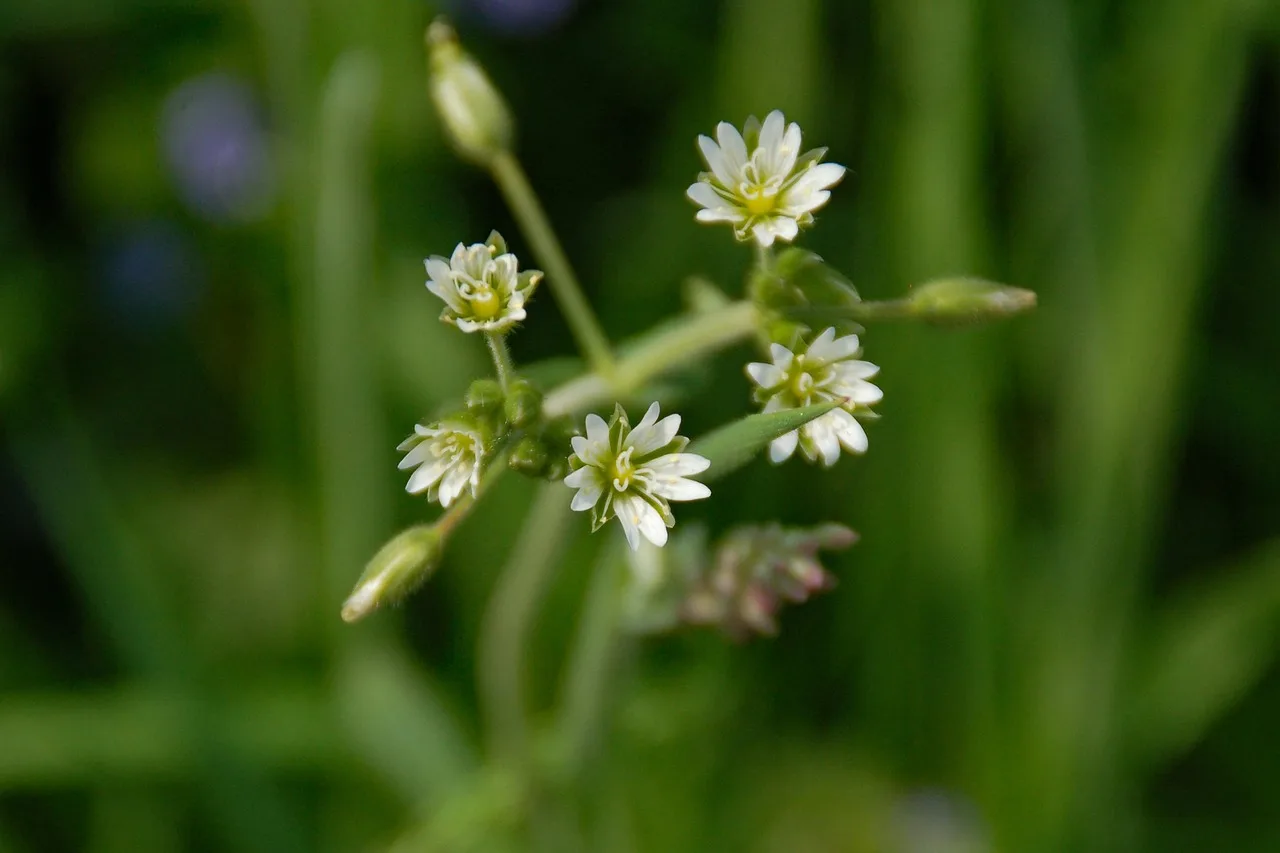
Weeds get past fabric in three main ways: seeds already in the soil germinate below it, new seeds land in the mulch above it and root there, and perennial roots or runners push through openings, seams, or damaged spots. Those are different problems, and they need different fixes.
Seeds already in the soil
If the bed already contains weed seed, fabric can slow germination but not erase the seed bank. Some seeds were there before installation. Others arrive later from wind, birds, or nearby weeds. They may sprout below the fabric if enough light reaches them through gaps, edges, or tears.
In that case, the weed pressure is coming from the soil layer, not the top layer. Covering the bed with more mulch may hide the symptoms for a while, but it does not remove the source.
Seeds that land on top of mulch
Many weeds that appear under or beside fabric actually start on top of the mulch. Mulch layer types such as wood chips, dyed mulch, and decorative stone can collect dust and organic debris. That creates a new rooting layer above the fabric where weed seed can germinate.
Say your front bed has 2 inches of bark over old fabric, and the bed gets regular leaf litter from a nearby tree. A thin layer of decomposed debris may form on top of the mulch in a season or two. Weeds then root in that debris, not in the native soil below.
Taproots and spreading roots
Perennial weeds are harder to stop than simple annual seedlings. Some have long taproots. Others spread from established roots or creeping stems. They can push through openings, exploit seams, and regrow from what remains after cutting. Crabgrass-like spreaders can also creep across weak points and anchor in the top layer.
That is why one patch may hold back tiny annual weeds while another patch fills with persistent perennials. The failure mode is different, so the fix is different.
Mulch and rock change the result
Mulch and decorative gravel change how fast fabric fails. Both can trap dust and debris, but mulch usually builds a faster planting medium because it breaks down. Rock lasts longer as a surface, yet it still collects fines, and weeds can root into the material that settles above the fabric.
Mulch collects soil and debris
Wood chips and similar mulches shed and decompose. That is normal. The problem is that the decomposed layer becomes a seedbed. Once that happens, weed control shifts from blocking the soil below to removing growth from the top layer.
Fabric under mulch also tends to get buried by drifted fines, especially near bed edges, around steps, and beside driveways where dirt washes in.
Decorative gravel can still hold weeds
Rock beds are not weed-proof. The weight helps hold the fabric down, but it does not stop soil fines from settling between stones. Over time, that material fills the voids, and weeds root in the settled layer above the fabric. The bed may look clean until the first flush of growth appears.
A common first-timer mistake is to assume rock alone solves the problem. In practice, rock often hides the issue longer than mulch, then becomes harder to clean out once weeds take hold.
What failure looks like by weed type
Look at where the weed is rooted before deciding what went wrong. A weed rooted in the mulch layer points to seed rain on top. A weed returning from the same spot after cutting points to a perennial root system. A spreading patch often points to a runner or rhizome pushing through weak points or edges.
Annual seed weeds
Annual weeds usually show up as scattered sprouts across the top layer. They are often easiest to pull when the bed is moist. If they are rooted in mulch or dust sitting on top of the fabric, the barrier below is not the main problem. The top layer is.
Perennial weeds and taproots
Perennial weeds tend to come back after cutting, especially if the root crown remains below the sheet or at an edge. Taproot weeds can force through damaged sections or exploit seams. If the same plant returns in the same spot, the issue is usually more than surface germination.
Crabgrass-like spreaders
Grass spreaders can move sideways under or across weak areas, then pop up in a line or patch. That pattern often means a runner, rhizome, or stolon is involved. These weeds do not behave like isolated seed weeds. They spread from connected growth, so a small opening can matter a lot.
Old fabric that has clogged
Older fabric can fail even if it was installed neatly. The holes eventually get blocked by soil and mulch particles, and that water and air can’t reach roots once the fabric clogs. That means the bed can become harder to maintain and less supportive of healthy root growth.
That same source says fabric can be incredibly damaging to soil health, and it is made from polyester and polypropylene. Rural Sprout also describes the fabric as plastic, usually polyester or polypropylene.
Fabric failure guide
This table helps separate weed source from visible symptom so the fix matches the problem. If the symptom is on top of the mulch, think top-dress and reset. If the problem is coming from below or from repeated perennial regrowth, removal is often the better choice.
| Weed source | Visible symptom | Likely fix |
|---|---|---|
| Soil-banked weeds | Seedlings appear across low spots, edges, or thin mulch areas | Top-dress with fresh mulch after removing debris; reset edges if needed |
| Top-deck weeds in mulch | Weeds pull from the mulch layer, not from the soil below | Rake off debris, remove rooted mulch, then top-dress with cleaner material |
| Taproot weeds | Same plant returns after cutting, often at the same spot | Remove fabric in that area or the whole bed if roots keep punching through |
| Crabgrass-like spreaders | Patchy lines or mats of grass-like growth across weak points | Lift the fabric, remove runners, and replace damaged sections or switch methods |
| Clogged or older fabric | Puddling, poor infiltration, and fine debris sitting on top of the sheet | Remove the fabric if it is buried, torn, or clogged through most of the bed |
- Remove the fabric if weeds are rooted through tears, the sheet is buried in debris, or perennial weeds keep returning from below.
- Top-dress and reset it if the fabric is still intact and the issue is mostly surface debris or light seed rain on top.
- Switch to another barrier or maintenance approach if the bed keeps receiving heavy debris, runners, or persistent perennials despite repeated cleanup.
Does fabric harm soil health?
It can, especially when it clogs. The main issue is not that every installation ruins soil. The issue is that clogged fabric reduces water and air movement to roots. That can matter most in beds that already have compacted soil, heavy foot traffic, or thick layers of settled fines.
Water and air movement
Healthy root zones need water movement and gas exchange. When fabric holes fill with soil and mulch particles, permeability drops. That is why an older bed can start to behave differently from a fresh installation. Water may shed or pool, and roots may sit in a less favorable zone.
Microbes and earthworms
Soil health depends on more than weed control. Microbes, microorganisms, and earthworms all respond to moisture, air, and organic matter. A fabric layer that clogs can interfere with that exchange. The effect is strongest when the bed also has compacted soil or a thick surface mat of debris.
That does not mean every bed under fabric is failing immediately. It means the long-term maintenance burden can rise as the sheet ages and fills with fines.
What to do when fabric has failed
Once weeds are established, the answer is not always another layer of fabric. The right move depends on whether the bed is mostly dirty on top, badly damaged below, or showing repeated perennial pressure. If the fabric is intact and the weeds are surface-rooted, cleanup can work. If not, removal is usually more honest.
Patch or top-dress
Use patching when the failure is local: a torn corner, an open seam, or a small area with debris on top. Clear the bed first, remove rooted material, then reset the surface and re-pin loose edges with pins if the fabric itself is still worth keeping. Pins help hold material in place, but they are not a weed fix.
When removal is the better choice
Remove the fabric if it is brittle, badly clogged, buried under a thick organic layer, or tangled with perennial roots. Once weeds have penetrated widely, pulling them often drags up the sheet in pieces. That creates more labor than starting over.
When to switch to another method
For beds that need frequent replanting, heavy cleanup, or regular top-up mulch, a fabric-free maintenance plan may be easier to manage. That can mean thicker mulch refreshes, hand pulling, targeted edging, or another barrier suited to the site. Under gravel, it may mean better base prep and more regular debris removal instead of relying on fabric forever.
Picture a side yard covered in decorative rock where maple seed, dust, and leaves collect every fall. If the fabric is still sound, one cleanup cycle may buy time. If the rock has sunk into a dirty mat and weeds are rooted throughout, replacement is usually cleaner than repeated patching.
Frequently asked questions
Does fabric prevent weeds?
Yes, but only partly and only for a time. Fabric can block light and may suppress some germination, especially soon after installation. It does not stop every weed source, and it does not keep seed from landing in mulch above the fabric.
Why do weeds still grow through fabric?
Weeds still show up because many start above the fabric, not below it. Seeds can land in mulch, dirt, or debris on top. Others grow through tears, seams, or thin spots, and perennial roots can push through damaged areas or regrow from below.
Can perennial weeds grow through weed barrier fabric?
Yes. Perennial weeds can push through openings, exploit weak edges, and regrow from established roots. Taproot weeds and spreading grasses are especially likely to keep coming back if the root system remains alive under or beside the sheet.
Why does fabric fail after a year or two?
It often fails because soil and mulch particles clog the pores, reducing water and air movement. At the same time, weeds root in the debris that settles on top. The sheet may still be present, but it no longer performs like a clean barrier.
Should I use fabric under mulch or gravel?
It can be used under either, but neither setup is permanent. Under mulch, debris builds faster and weeds can root in the top layer. Under gravel, the rock helps hold the sheet down, but fines still collect and weeds can anchor in the settled material above it.
What is better than fabric for weed control?
For many beds, a maintenance plan is better than a permanent sheet. That usually means cleaner mulch refreshes, regular debris removal, hand pulling before seed sets, and better edging. In some sites, especially where debris falls constantly, fabric becomes more trouble than it saves.
Is fabric the same as weed barrier fabric?
Yes, those names are commonly used for the same kind of product. The same source notes that it is also called weed fabric, garden fabric, and cloth. The label changes more than the function does.