What Should You Do with Leftover Sod After a Project?
Use leftover sod within about 24 hours if it is still moist, cool, and unrolled; otherwise, compost it if it is clean soil-backed turf or dispose of it if it is drying, torn, or weed-choked. Waiting too long turns usable pieces brown, wastes material, and can leave you paying for extra replacement sod. This guide shows how to judge condition, keep sod alive briefly, reuse small pieces, compost usable scraps, and dispose of the rest.
Leftover sod at a glance
Leftover sod is the extra turf rolls, strips, or cutoffs left after a project. It spoils fast because the roots stay packed, the soil slab heats up, and the grass loses moisture as soon as it is cut and stacked. The main question is simple: is it still cool and rooted enough to live?
Common reasons for leftovers include ordering a little more than needed, trimming curves and edges, changing the layout on site, or having damaged corners that cannot be installed neatly. Condition decides the next move. Fresh, cool sod can still be reused. Wilted sod may buy a short hold. Hot, brown turf usually belongs in compost or disposal.
What condition tells you next
Look at three things: color, temperature, and root contact. Green blades with a damp underside usually still have a short reuse window. Gray-green, limp turf means moisture loss has started. Brown blades, hot stacks, and loose roots point to dead or nearly dead material.
Grass type matters too. Warm-season sod and cool-season sod both need a match with the existing lawn if you want a repair to blend. Sun and shade tolerance matter as well. A shaded patch in a lawn of full-sun grass may survive, but it may not match the rest of the yard for long.
Can you reuse leftover sod?
Yes, if the sod is still fresh, intact, and close to the lawn type already in place. The best reuse is same-day patching, edging strips, small slope fixes, or filling narrow gaps. Once roots dry out or the slab heats up, reuse becomes less reliable and the odds of failure rise quickly.
Best uses for fresh pieces
Fresh leftover sod works best for bare spot repair, short runs along walkways, and small edge corrections. For a patch, the replacement piece should match the grass type and fit tightly against the surrounding turf. Soil prep still matters: remove debris, loosen the top layer, and set the sod flush so the edges do not dry out.
Say your project leaves three 18 in by 24 in strips of bluegrass sod. If they are still cool and damp, they are better used to fill small thin spots than to sit rolled in the sun. A snug repair with firm soil contact will usually hold better than saving the pieces for later.
When reuse stops being practical
Reuse drops off after the roots begin to dry or the roll has been stacked hot. Torn pieces can still work as small fill-ins if the root mat remains intact, but shredded, brittle, or heavily heated sod is poor material for patching. At that point, compost or disposal is usually the better choice.
Matching grass type to the lawn
Match warm-season sod to warm-season lawns and cool-season sod to cool-season lawns when possible. Do not assume color alone is enough. Texture, blade width, and shade tolerance affect whether the repair blends and survives. A patch that matches the lawn on paper can still look wrong if the species is different.
- Check the lawn match. Confirm that the leftover sod is the same grass type or a very close match to the area you want to repair. If the yard is a mix, place the leftover where it will be least obvious.
- Cut a tight patch. Trim the piece so it fits the bare spot with little gap. Gaps dry out first, and they make the patch stand out.
- Set full root contact. Press the sod into firm soil so the root side touches the ground across the whole piece. Air pockets slow rooting and make the patch fail.
- Water right away. Wet the patch enough to settle the soil, then keep the top layer damp for the first few days. That helps the roots connect before the edge dries.
How long can sod sit before it goes bad?
Sod can usually sit only a short time before quality drops. Move it the same day if the ground is ready. Overnight storage is possible if the sod stays cool, shaded, and lightly moist. After about 24 to 48 hours, many rolls begin to heat, dry, and lose enough root health that reuse becomes uncertain or poor.
Same-day use
Same-day use gives the best chance of survival because the roots have not had time to dry out. This is the strongest option for transplanting sod into another bed or a bare area in the same yard. If the ground is ready, move it now rather than storing it.
Overnight storage
Overnight storage can work if the sod is kept out of sun, stacked low, and sprinkled lightly. The goal is to slow heat buildup, not soak the rolls. A cool garage floor, shaded patio, or similar spot is better than open sun or a closed trailer in warm weather.
Beyond 24 to 48 hours
After 24 to 48 hours, the odds of successful reuse fall fast, especially in warm weather. The root mat starts to lose moisture from both the top and bottom, and stacked rolls can heat from the inside. If it smells sour, feels warm, or turns tan, treat it as dead or nearly dead.
A common first-timer mistake is leaving four rolls stacked in direct afternoon sun while waiting for a small repair. The top blades may still look green at first, but the middle rolls can overheat in a few hours. Shade and airflow matter more than the outside color alone.
How to keep leftover sod alive briefly
Keep leftover sod alive by reducing heat, slowing drying, and letting some air reach the roots. Shade helps most. Light watering helps if the slab is drying. Keep the stack low and short-term only. This is a holding method, not a storage plan for several days.
Shade and airflow
Place leftover sod in full shade or near full shade. Avoid direct sun, hot pavement, and metal trailers. Some airflow around the stack helps release trapped heat, but strong wind can dry the grass blades. The balance is cool and damp, not wet and sealed.
Stack height and placement
Keep stacks low. A single layer is best; two layers are better than a tall pile. Heavy stacking traps heat in the center and can cook the turf. Lay the rolls flat if possible, or stagger them so air can move between pieces.
- Move the sod to shade. Put the rolls under a tree, roof overhang, or other shaded spot as soon as the cut is done. Shade slows the temperature rise that kills roots.
- Unstack what you can. Spread out the rolls or keep the stack low. Less mass means less trapped heat.
- Sprinkle, do not flood. Mist the top and edges lightly if the sod starts to dry. Wet enough to keep it cool, not so much that the stack becomes soggy.
- Recheck within hours. Feel the center of the stack. If it is warm, separate it more or move it again. Heat is the fastest way to lose salvageable sod.
Light watering schedule
Light watering usually means a quick sprinkling every few hours during hot weather, or once before overnight storage if the sod is already moist. Do not leave it dripping wet. Too much water can heat the stack and weaken the roots while also making the rolls heavy and awkward to move.
Leftover sod decision table
| Condition state | Best action | Maximum practical hold time | Watering or storage method | Patching | Composting | Disposal |
|---|---|---|---|---|---|---|
| Fresh | Reuse or transplant same day | Up to 24 hours | Shade, low stack, light mist if needed | Yes | Only if unusable scraps remain | Not needed unless excess remains |
| Slightly wilted | Patch small areas or edge strips quickly | About 24 hours, sometimes overnight | Shade, airflow, light sprinkling, no tall stacks | Maybe, if roots still hold and grass matches | Yes, if repair use is poor | Yes, if it starts to dry or tear |
| Heat-stressed | Compost or dispose soon | Less than 24 hours from stress onset | Cool immediately; do not keep stacked in sun | Usually no | Yes, if weed-free and soil-backed | Often yes, especially if local rules allow |
| Dead | Compost or discard | Not practical for salvage | Keep dry enough to handle; do not expect recovery | No | Yes, if clean and accepted by the pile | Yes, if composting is not practical |
Can you compost leftover sod?
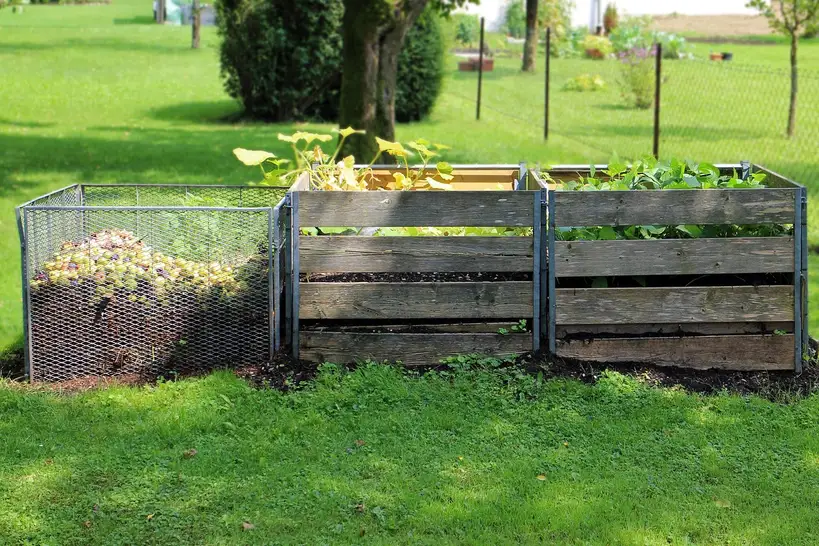
Yes, leftover sod can be composted if it is too dry, torn, or mismatched for reuse and does not contain heavy weed seed pressure. Composting works best when the turf is broken up, mixed with browns, and turned so the grass and roots break down instead of re-rooting or matting together.
When sod belongs in the compost pile
Sod belongs in the compost pile when it is clean soil-backed turf that is no longer useful for repair. If it is mostly grass and thin soil, it will break down over time. Thick clay slabs, weed-heavy pieces, or sod with live spreading roots may need extra care or separate disposal.
How to mix turf with browns
Mix sod with dry leaves, shredded cardboard, wood chips, or other browns. The browns help balance moisture and add air spaces. Place sod grass-side down or root-side up in the pile if you want it to break down faster, then cover it with browns so it does not dry out or re-root.
- Break the slabs up. Cut or tear the sod into smaller pieces. Smaller pieces decompose faster and are easier to mix with dry material.
- Layer with browns. Add a layer of leaves, paper, or straw between sod pieces. This reduces matting and keeps the pile aerated.
- Turn the pile often. Mix the pile every few weeks if possible. Turning keeps the grass from forming a solid mat and helps the roots break down.
- Watch for regrowth. If pieces start rooting back into the pile, flip them or bury them deeper under browns. That limits live turf from taking hold.
Weed-seed and regrowth risk
Composting is less attractive when the sod contains weed seed heads or persistent weeds. Those may survive in a low-heat pile. If the turf is loaded with weeds, bag it for green waste or disposal if local composting rules do not accept it. Root-side orientation matters because live turf can survive longer than expected if left in the wrong position.
How do you dispose of unused sod?
Dispose of unused sod through your local green waste, yard waste, transfer station, or landfill program if composting and reuse are not practical. Rules vary. Some programs accept loose turf, others require it to be shaken free of soil, and some limit weight, bundle size, or the number of bags per pickup.
Green waste pickup
Check whether your municipality accepts sod with yard waste collection. Some curbside programs take turf if it is cut into manageable pieces and free of trash, rocks, and large amounts of soil. Others treat it as too heavy or too dirty for the cart. Follow the local pickup limits exactly.
Landfill or transfer station rules
If green waste pickup does not accept sod, a transfer station or landfill may be the fallback. Ask whether sod counts as clean green waste, mixed debris, or bulky yard waste. Acceptance rules often change based on soil load, contamination, and whether the load is bagged, loose, or bundled.
Bundling, weight, and loading limits
Keep loads manageable. Wet sod gets heavy fast, and some haulers limit the total weight or require small bundles. If you are loading a truck, place the sod flat and avoid compacting it into one wet mass. That makes unloading easier and may help you stay within the local limit.
Frequently asked questions
What should you do with leftover sod after a project?
Use it within about 24 hours if it is still cool and moist. Fresh pieces can patch bare spots, fill short edges, or be transplanted to another area with the same grass type. If it is drying out or tearing, compost it if clean, or send it to yard waste disposal if composting is not practical.
Can you plant leftover sod somewhere else?
Yes, if the sod is still alive and the new spot matches the original grass type closely enough. Plant it right away, press the root side firmly into prepared soil, and water it in. Once the roots dry or the turf heats up, the chance of successful transplanting drops fast.
How do you keep leftover sod alive overnight?
Keep it in shade, stack it low, and mist it lightly if the surface starts to dry. A garage floor, shaded porch, or covered area is better than sun or a hot trailer. The goal is to prevent heat buildup and moisture loss, not to soak the rolls.
Can dead sod be revived after sitting too long?
Usually no. If the blades are brown, the roll is warm, and the roots are dry and brittle, the turf is past the point of recovery. A small green tint at the blade tips is not enough by itself. Dead sod is better composted or disposed of than replanted.
Can you use leftover sod to patch bare spots?
Yes, if the patch is small and the sod still has live roots. Match the grass type, trim the piece to fit, and make sure the soil underneath is firm and level. Water after placement so the roots contact the soil closely. Dry, heat-stressed sod is a poor patch material.