Is Screened Topsoil Good for Grass Seed and Overseeding?
Screened topsoil can work for grass seed and overseeding if it is kept thin, about 1/4 inch over seed or bare patches and no more than 1/2 inch on the surface. A thicker layer buries seed, slows germination, and wastes material. For seeding depth and surface coverage, extension guidance generally keeps grass seed very shallow, often around 1/4 inch or less, so the seed can still reach moisture and light quickly. Purdue Extension and University of Minnesota Extension both emphasize shallow placement for turf establishment. This guide explains when screened topsoil fits, when turfing soil is the better pick, and how to spread it so seed still reaches moisture and soil contact.
Screened topsoil as a seed cover: best uses and limits
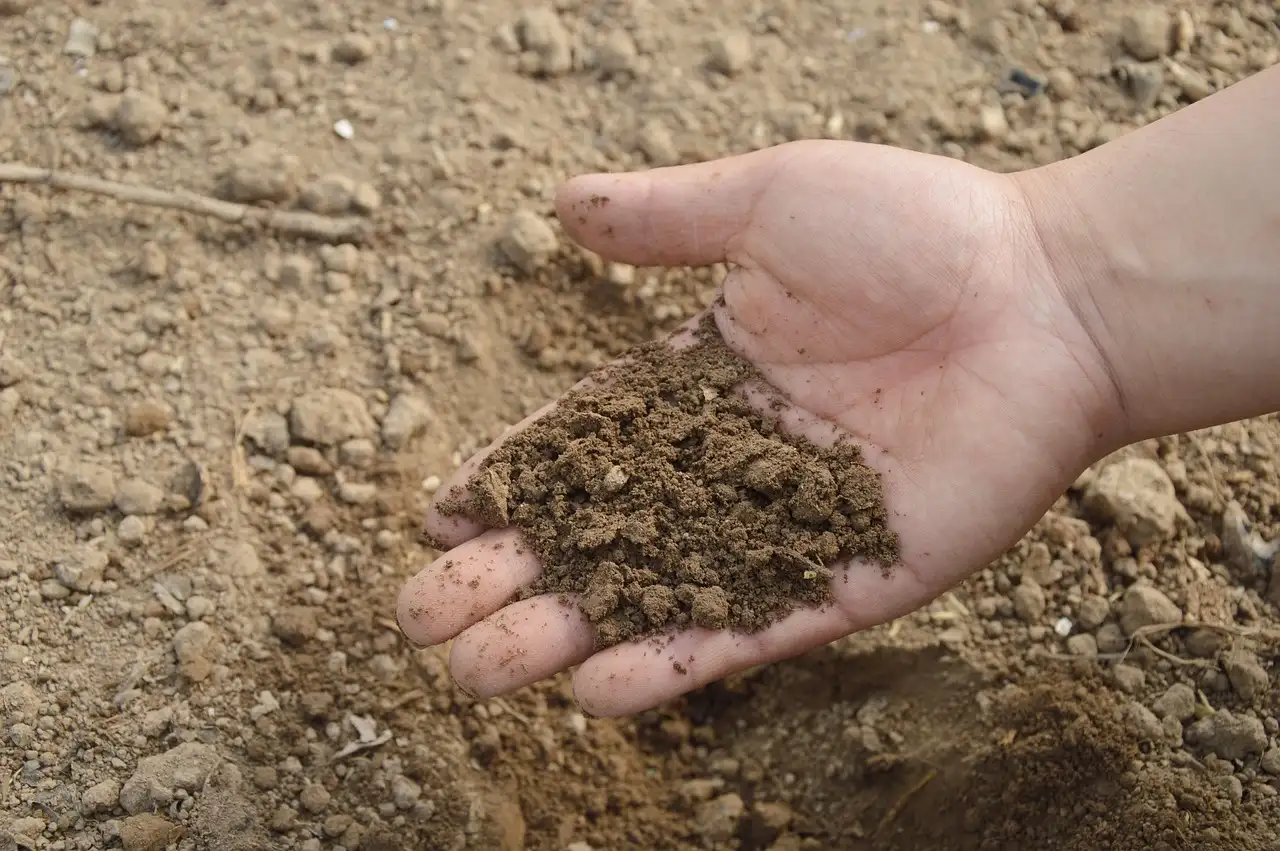
Yes, screened topsoil is good for grass seed when you use it as a shallow cover, not as a fill layer. Screened topsoil is topsoil sifted to remove rocks, roots, clods, and oversized lumps, and some products are screened at 10mm to remove oversized lumps. That finer texture can support lawn establishment and overseeding when it stays close to the surface.
Grass seed needs to stay near the soil surface to germinate well. It needs moisture and seed-to-soil contact, but too much cover can block emergence. Extension turf guides commonly recommend covering seed very lightly, because buried seed has a harder time reaching daylight and can dry out or fail before emergence. Iowa State University Extension notes that shallow placement and moisture are key to successful lawn seeding.
Screened topsoil fits best when you want to top-dress a thin lawn, level small dips, or cover seed in a bare patch after raking. It is the wrong choice when the lawn has compaction, heavy thatch, or poor drainage that needs correction first. Soil cover cannot fix those problems on its own.
Screened topsoil vs turfing soil
Screened topsoil usually contains the same broad mineral base found in site soil, but the screening removes coarse pieces. Quality still varies by supplier and blend. Some products are light and friable, which helps them spread evenly. Others are more variable, especially if the blend contains more clay or more coarse sand.
Turfing soil is often the better choice for seed work because it is made for laying grass seed or turf and is often finer and more consistent than general screened topsoil. It may be richer and more uniform than standard screened topsoil, which matters when a lawn needs a cleaner seedbed and more even moisture at the surface.
Say your front lawn has scattered thin spots after summer stress. Screened topsoil can work if you only need a thin dressing over the open areas. If the goal is a more uniform seedbed across the whole lawn, a finer turfing soil is usually the better match.
What is the difference between topsoil and turfing soil for grass seed?
Topsoil is a general-purpose soil blend, while turfing soil is made to support grass establishment and a smoother seedbed. Turfing soil is usually finer, more consistent, and more predictable in moisture behavior. For seeding, that consistency often matters more than a richer-looking mix or a deeper layer.
For lawns, the practical difference is how the material behaves at the surface. Topsoil can vary more in texture and screening, while turfing soil is designed to spread evenly and support uniform germination. If you need patch repair or overseeding, turfing soil is often the cleaner fit. If you only need a thin surface dressing, screened topsoil can still work.
| Feature | Screened topsoil | Turfing soil |
|---|---|---|
| Texture | Usually friable, but can vary by supplier | Usually finer and more even for seeding |
| Consistency | Can include more variation in sand, silt, or clay | More uniform from bag to bag or load to load |
| Nutrient profile | Often basic and dependent on source material | Often blended for lawn establishment and surface performance |
| Screening | Screened to remove rocks and clods, but screening levels vary | Usually screened more finely for grass work |
| Best use cases | Thin topdressing, small bare patches, light leveling | Seed beds, overseeding, more uniform lawn repair |
How deep should topsoil be for overseeding?
Use a shallow layer for overseeding, not a fill depth. For most lawns, screened topsoil is typically kept to about 1/4 inch over seed or bare patches. Anything thicker can start to bury the seed instead of helping it. Overseeding works best when the soil layer is thin enough that shoots can still reach light quickly. University of Minnesota Extension and Iowa State University Extension both stress shallow placement for successful turf seed germination.
That 1/4 inch limit is practical because turf programs generally caution against burying grass seed too deeply. A deeper layer also creates more risk of crusting, uneven moisture, and patchy emergence. On clay-heavy surfaces, a crust can form after watering and make it harder for tender shoots to break through. University of Georgia Extension also points to thin coverage and moisture control as important factors in establishment.
Light topdressing is different from backfilling. Top-dressing means a thin surface layer only. It is meant to improve seed contact and smooth minor unevenness, not to replace soil in low spots. If a dip needs more than a thin cover, the lawn needs grading or a different repair plan before seeding.
What happens when seed gets buried too far
Seed buried too deeply uses energy before it reaches the surface. Germination slows, emergence thins out, and some seed never appears. The result is wasted seed and patchy turf.
Heavy cover can also create a skin on top of the soil after watering. That crust can stop tender shoots from breaking through. Clay-heavy mixes are more likely to do this, and clay soil can also create drainage problems.
Should you mix seed with topsoil?
No, grass seed should not be mixed deeply into topsoil when overseeding. Light raking beats deep mixing because seed needs to stay near the surface and still touch soil. The goal is contact, not burial. A shallow pass with a rake or lawn spreader is usually enough.
For overseeding, spread seed first, then work it in lightly with a rake so most seed stays in the top layer. After that, add only a thin dusting of screened topsoil where the seed needs a bit of cover. That keeps the seed closer to the surface and improves germination odds. Purdue Extension and University of Minnesota Extension both recommend shallow placement and firm soil contact rather than deep mixing.
Picture a 200 sq ft bare patch beside a sidewalk. If seed is mixed into 1 inch of soil, much of it will sit too deep. If the seed is spread on the surface and covered with about 1/4 inch of screened topsoil, the seed still gets contact and a small moisture buffer.
How to get good seed-to-soil contact
- Mow the area short and remove loose debris.
- Rake the surface so the seed can settle into small openings.
- Spread the seed evenly across the area.
- Use screened topsoil only as a thin cover, about 1/4 inch.
- Water gently so the seed stays in place.
Seed-to-soil contact matters more than a thick soil layer. Light raking and watering do most of the work. If the surface is clumpy or uneven, the seed sits on humps and dries out in the gaps.
Screened topsoil for seeding rules
The best choice depends on the lawn condition. Thin lawns, bare patches, compacted soil, and post-aeration leveling do not all need the same treatment. Use screened topsoil as a thin top-dressing where the surface is already close to ready. Switch products or fix the soil first when the problem is deeper than the top inch.
| Lawn condition | Recommended depth | Mix seed? | Screened topsoil appropriate? | Main failure risk |
|---|---|---|---|---|
| Thin lawn | 1/8 to 1/4 inch | No, rake lightly after spreading seed | Yes | Too much cover blocks emergence |
| Bare patch | About 1/4 inch over seed | No, keep seed near the surface | Yes, if the soil below is sound | Seed dries out if left exposed or gets buried if covered too deeply |
| Compacted soil | Do not rely on topsoil depth alone | No | No, not as the only fix | Poor rooting, poor air movement, weak drainage |
| Light leveling after aeration | 1/8 to 1/4 inch | No | Yes | Overfilling hollows instead of smoothing the surface |
| Uneven lawn with small dips | Up to 1/2 inch only in very shallow low spots | No | Sometimes, if the low spot is minor | Crusting, thatch interference, and washout if the layer is too thick or the surface is sloped |
Why supplier quality changes the result
Screened topsoil can vary more than homeowners expect. One supplier may sell a light, friable product that spreads smoothly. Another may sell a heavier blend that still contains fine clumps or more clay. That difference changes how well seed settles into the surface and how evenly the lawn dries after watering.
If the product feels sticky, clumpy, or full of oversized bits, it is less useful for seeding work. A finer turfing soil is often the safer pick for new seed beds and patch repair because it is more consistent.
How much screened topsoil do you need?
Use square feet and depth to estimate volume. For overseeding, the amount is usually small because the layer is thin. At 1/4 inch deep, 1 cubic yard covers about 324 sq ft. At 1/8 inch deep, 1 cubic yard covers about 648 sq ft.
The math is straightforward. Volume in cubic feet = area in sq ft × depth in ft. Then divide by 27 to convert cubic feet to cubic yards. For example, 500 sq ft at 1/4 inch deep is 500 × 0.0208 ft = 10.4 cubic ft, or about 0.39 cubic yards.
That same area at 1/8 inch deep needs about half as much. Depth changes the order quantity fast, so measure carefully before you buy. A thin topdress may use far less material than a homeowner expects.
Simple depth-to-volume guide
| Depth | Coverage per 1 cubic yard | Use case |
|---|---|---|
| 1/8 inch | About 648 sq ft | Very light top-dressing after overseeding |
| 1/4 inch | About 324 sq ft | Standard thin cover for overseeding or bare patches |
| 1/2 inch | About 162 sq ft | Only for very small low spots, not general seeding |
What to avoid when overseeding
Avoid heavy cover that blocks emergence. Avoid clumpy soil that harms contact. Avoid skipping watering after seeding. Avoid using topsoil to solve compaction, drainage, or heavy thatch, because those problems need their own fix. And avoid burying seed deeper than 1/4 inch.
Do not treat screened topsoil like a fill material. It is a surface helper for seeding, not a way to rebuild a lawn grade. If the lawn has hard crusts, standing water, or a dense thatch layer, the seedbed still needs correction before overseeding can work well.
Seasonal timing matters too. Cool-season lawns are commonly seeded in late summer to early fall, when soil temperatures remain warm enough for germination but air temperatures are less stressful; warm-season lawns are often seeded in late spring to early summer. University of Minnesota Extension and University of Georgia Extension both point to timing that matches the grass type and climate.
Seed choice still matters first. Match grass seed to climate and the existing turf type before deciding on the soil product. Soil can help the seed establish. It cannot make the wrong seed choice work better.
Frequently asked questions
Is screened topsoil good for grass seed and overseeding?
Yes, screened topsoil can work well for grass seed and overseeding when it is used as a thin cover. It helps with seed-to-soil contact and moisture retention near the surface. It is less useful as a deep layer, especially if the lawn already has compaction or drainage problems.
Should I mix grass seed with topsoil when overseeding?
No, do not mix seed deeply into topsoil. Spread the seed on the surface, rake lightly, and cover with only a thin layer if needed. That keeps the seed near the soil surface, which is where it germinates best.
How deep should topsoil be for overseeding a lawn?
Keep the layer shallow, about 1/4 inch. Deeper cover can bury seed, slow emergence, and reduce germination success. If a low spot needs more than that, it usually needs grading or a different repair approach before overseeding.
Can I just spread screened topsoil over my existing lawn and seed it?
Yes, if the layer is very thin and the lawn is otherwise in decent shape. A light topdressing can improve contact and smooth minor unevenness. It is not a cure for compacted ground, poor drainage, or heavy thatch.
What kind of topsoil is best for lawn seeding?
A finer, more consistent turfing soil is often better than general screened topsoil for seeding work. Screened topsoil can still be suitable if it is light and friable, but supplier quality varies. For patch repair and new seed beds, consistency matters.
Does screened topsoil help grass seed germinate faster?
It can help seed germinate well by keeping seed close to the surface and holding some moisture, but it does not magically speed germination. A thin, even layer helps. Too much soil does the opposite by slowing or blocking emergence.
Can screened topsoil be used to repair bare patches in a lawn?
Yes, screened topsoil can be used on bare patches if the patch is shallow and the soil below is in decent condition. Spread seed first, then add about 1/4 inch of soil. If the patch is compacted or poorly drained, fix that first.
What should I avoid when using topsoil for overseeding?
Avoid deep cover, clumpy soil, and heavy spreading that buries the seed. Avoid using topsoil as a fix for compaction or drainage. Also avoid watering so hard that seed floats away. The goal is a thin, even layer with good contact, not a thick blanket.