What Is Unbalanced Backfill? Why It Matters Behind Walls
Unbalanced backfill is soil or stone placed higher on one side of a retaining wall than the other, which creates extra lateral pressure and weak drainage; if the wall is restrained by structure or grade, even a few inches of mismatch can matter. Left unchecked, it can push a wall outward, trap water, and lead to outward bowing, joint opening, or collapse. This guide explains the load-and-drainage issue and the warning signs to watch before failure starts.
What is unbalanced backfill?
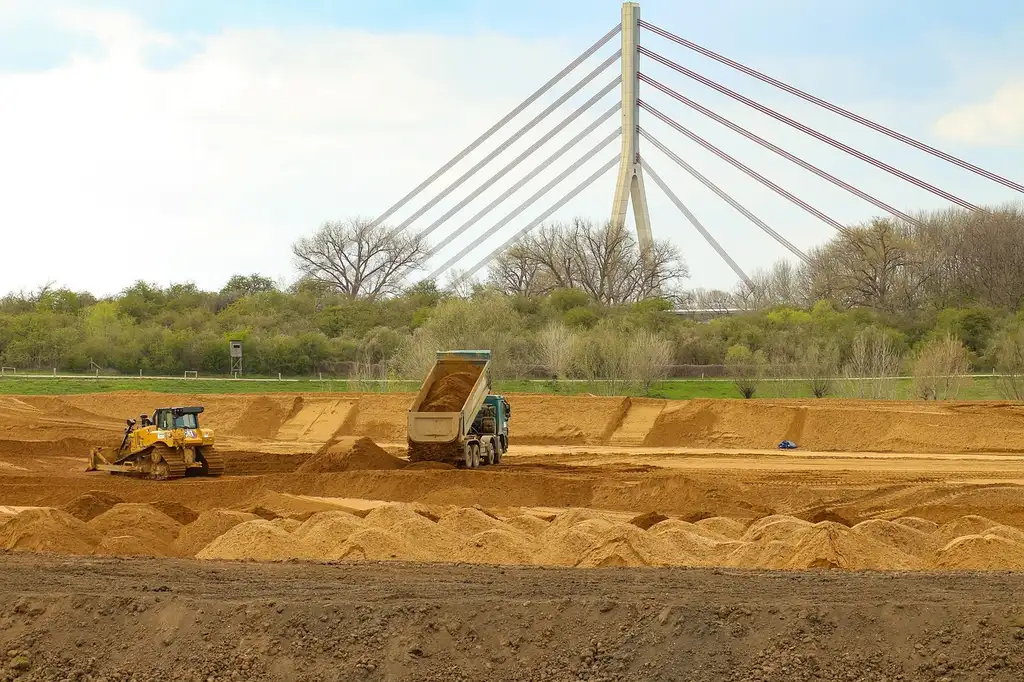
Unbalanced backfill means the fill on one side of a wall or structure sits higher than the fill on the other side. That height difference creates uneven soil pressure, so one side of the wall carries a larger load than the other. It shows up most often behind retaining walls and against basement walls.
Backfill vs. back fill
Backfill is the standard construction term. Back fill is just a spaced variant some readers use in search, but the meaning is the same in this context. The key issue is not spelling; it is whether the soil level is balanced and drained well enough for the wall to handle the load.
Picture a 4 ft retaining wall with 18 in of soil on one side and 4 in on the other. The wall is not seeing the same condition on both faces. That mismatch raises the demand on the taller side, especially if water cannot escape.
Why does uneven fill push a wall harder?
Uneven fill pushes harder because soil exerts lateral earth pressure on the wall, and that pressure rises as the backfill height increases. As retained soil gets taller, the sideways force generally increases. Wet soil adds more load because water increases pressure and reduces soil stability.
Height changes the load
Pressure does not rise in a straight line with height alone; it rises faster as the soil column gets taller. A 2 ft mismatch is not just “double” a 1 ft mismatch in practical terms, because the added height also adds weight higher up the wall where movement matters most. That is why a wall can look fine at first and still be under growing stress.
Suppose a wall is backfilled to 2 ft on one side and 0 ft on the other during the first stage of work. If the fill later rises to 4 ft on the same side while the opposite side stays open, the wall now carries much more sideways load and a larger drainage burden. The change in grade, not just the total amount of soil, drives the risk.
Wet soil is worse
Dry granular soil already pushes the wall. Wet soil pushes harder because trapped water adds hydrostatic pressure behind the wall. If the backfill holds water, the wall may start to bow, lean, or crack even when the soil itself seems stable.
What makes it more dangerous than it looks?
Unbalanced backfill becomes more dangerous when extra loads and water act on the same wall. Surcharge load adds pressure from outside the backfill zone, while hydrostatic pressure builds when water cannot drain. Those forces compound the unbalanced soil load and can change the wall’s design assumptions.
Surcharge load near the wall
Surcharge load is any extra load near the wall, such as a vehicle, stockpile, slope, or nearby structure. It is different from backfill height, but it adds to the same failure problem. A driveway edge, a pile of soil, or stored materials near the top of a wall can make an already uneven backfill condition much worse.
Water trapped behind the wall
Hydrostatic pressure is often the hidden cause of wall movement after backfilling. Water that cannot drain through the soil builds up behind the wall and creates outward force. Clean drainage stone and a perforated drain pipe give water a path out of the retained zone. (Wikipedia)
When drainage fails
If drainage stone is missing, clogged, or too shallow, the wall may hold water behind it even if the soil was compacted correctly. That is why poor drainage and water buildup are often the real reason a wall starts to move after the backfill is in place. The soil height starts the problem; trapped water accelerates it.
Wall warning signs to watch
The first warning signs are usually visible before a wall fails. Outward bowing, tilting, open joints, water staining, and a one-sided grade change can point to excess load or poor drainage. If more than one sign appears together, the wall is already telling you the pressure balance is off.
A common first-timer mistake is to see a straight wall and assume the backfill is harmless. A wall can stay aligned for a while even while water and soil pressure are building behind it. By the time the bow shows up, the load problem has often been there for some time.
Checklist for early warning signs
| Wall condition | Visible symptom | Likely cause | Next step |
|---|---|---|---|
| Bulging | Face bows outward or shows a soft curve | Excess lateral earth pressure from high or wet backfill | Pause loading, check drainage, and inspect wall movement |
| Cracking | Open joints, split blocks, or stair-step cracks | Wall is being overstressed by unbalanced fill or surcharge load | Reduce load near the wall and assess whether repair is needed |
| Water seepage | Damp face, weeping joints, or puddling at the base | Hydrostatic pressure from trapped water behind the wall | Confirm drain path, outlet, and aggregate condition |
| Leaning | Wall tilts outward or pulls away from cap course | Backfill height is too high on one side or drainage is failing | Stop adding fill and verify the retained height against design |
| One-sided grade change | Soil is visibly higher on one side than the other | Unbalanced backfill is creating a pressure mismatch | Recheck finished grade and adjust before more material goes in |
Rule of thumb: pause work and get an engineer if the wall is taller than 4 ft, if it is already bowing or tilting, or if the wall carries a surcharge load near the top. A taller wall or a wall with visible movement needs more than guesswork.
How do drainage aggregate and pipe reduce risk?
Drainage aggregate and perforated drain pipe reduce risk by giving water a path away from the wall. Clean crushed stone or gravel behind the wall limits trapped water, and a pipe at the base collects and carries that water out. Free-draining backfill matters because it cuts hydrostatic pressure before it builds.
Clean stone behind the wall
Drainage aggregate is typically clean crushed stone or gravel, not fine soil. The open voids between the pieces let water move downward instead of hanging behind the wall. That matters because a wall with lower water pressure has less hidden load.
Perforated pipe at the base
A perforated drain pipe is usually placed at the wall base so it can collect water from the drainage zone and move it away. It works best when it sits in free-draining stone and has a clear outlet. If the pipe is crushed, buried in fines, or blocked, the water problem returns fast.
Why free-draining backfill matters
Free-draining backfill is the safer choice behind many retaining walls because it does not hold water the way silty soil does. That does not eliminate load, but it lowers the chance that water pressure becomes the hidden cause of movement. For estimating, that often means extra stone, pipe, filter fabric, and labor for placement around the drain zone.
How should backfill be placed and compacted?
Backfill should be placed in lifts and compacted with the right equipment, not dumped in one deep layer. Thin lifts reduce voids and help the soil settle evenly. The goal is firm support without creating a dense wedge that transfers too much force into the wall.
-
Place the first lift. Spread a shallow layer, not a deep dump. A common lift thickness is about 6 to 8 in of loose fill before compaction, because thinner lifts are generally easier to compact evenly.
-
Compact the lift. Use a plate compactor for granular fill or a hand tamper where equipment cannot reach. Compacting in lifts helps control settlement and keeps the wall from seeing sudden pockets of loose soil.
-
Keep heavy compaction away. Do not drive compaction equipment too close to a fresh wall face unless the wall system is rated for it. Overcompaction near the wall can add lateral force instead of just density.
-
Repeat with care. Add the next lift only after the previous layer is compacted. That sequence helps maintain even support and reduces the chance of one section settling more than the rest.
Compaction also affects estimating. More lifts mean more passes with the tamper or plate, more time around corners and tight spaces, and more attention to the drain zone so the aggregate does not get contaminated with fines.
What is unbalanced fill retaining wall?
In a retaining wall context, unbalanced fill means the soil height is greater on the retained side than on the exposed side, or greater than the wall was designed to hold in that state. That imbalance increases lateral earth pressure and can make a wall bow, crack, or tilt if drainage and surcharge conditions are not controlled.
Where it commonly happens
It often appears at stepped grades, along property lines, beside patios, and where a wall was built before the final grade was set. Basement walls can face the same issue when one side is buried deeper than expected or when grading changes after construction.
Say a patio is added behind a retaining wall after the wall was already built for a lower grade. If the new fill rises 12 in higher than planned and the drain zone is not extended, the wall now has more pressure and a greater chance of trapped water. The wall may still look straight at first.
What is unbalanced fill?
Unbalanced fill is fill placed so the soil levels are not the same on both sides of a wall or structure. The problem is not the soil itself; it is the uneven height and the pressure difference that comes with it. That is why the term matters around retaining walls, basement walls, and other restrained structures.
For estimating, unbalanced fill can change the material list. A higher retained side may need more drainage aggregate, a longer pipe run, more labor for layered placement, and sometimes a redesign if the wall height or surcharge load is outside the original assumptions.
What is a backfill?
Backfill is the material placed back into an excavated space after a wall, pipe, or structure is installed. In hardscape work, it often means soil, stone, or a mix placed behind a retaining wall. The right backfill supports the wall and drains well; the wrong backfill holds water and adds pressure.
Flowable fill vs. backfill
Flowable fill is a low-strength slurry that hardens in place, while backfill for a retaining wall is usually placed as compacted soil or drainage aggregate. Flowable fill can be useful in some utility or trench applications, but it is not the same as free-draining wall backfill and may add unwanted load if used behind a wall without a design reason.
Is backfilling considered ground disturbance?
Yes, backfilling is generally a form of ground disturbance because it changes existing soil conditions, grade, drainage, and load paths. It can affect buried utilities, nearby structures, and runoff patterns. For walls, the bigger concern is whether the new grade and fill height match the wall design and drainage plan.
If backfilling changes the finished grade near a wall, it also changes where water goes. That is why the work should be checked against drainage outlets, pipe placement, and the finished elevation on both sides of the wall before the area is closed up.
Why is my retaining wall bowing after backfilling?
A retaining wall usually bows after backfilling because the wall is carrying more lateral earth pressure than it can resist, often made worse by trapped water or added surcharge load. The bow is a symptom, not the root cause. The root cause is usually one-sided height, poor drainage, or both.
Start by checking whether the retained side is higher than intended, whether the drain pipe is working, and whether water is pooling behind the wall. If the wall is already moving, stop adding more fill and have the condition evaluated before the outward movement gets larger.
Frequently asked questions
Back fill vs backfill
Both forms point to the same idea in common search use, but backfill is the standard construction spelling. The issue is not spelling preference. The issue is whether the fill is balanced, compacted in lifts, and able to drain before it loads the wall.
Flowable fill vs backfill: flowable fill is a cement-like
Flowable fill is a cement-like slurry that sets in place, while backfill is usually soil or drainage aggregate placed and compacted behind a wall. Flowable fill can solve some utility or void-filling problems, but it is not a substitute for free-draining wall backfill unless the design calls for it.