How Many 1 Cubic Foot Bags Make a Yard?
A 1-cubic-foot bag equals 1/27 cubic yard, so 27 bags make 1 cubic yard. Get the conversion wrong and you can overbuy, run short, or pay more per cubic foot than a bulk load. This guide shows the math, rounding rules, waste allowance, and when bags stop making sense for one-yard jobs.
What a cubic yard means
A cubic yard is a volume unit, not a weight unit. It equals 27 cubic feet and forms a cube that measures 3 feet on every side, so it is used for mulch, soil, compost, sand, and other bulk materials sold by volume.
Why yards are sold by volume
Volume is the clean way to compare loose material. A load can weigh more or less depending on moisture and product type, but 1 cubic yard is still 27 cubic feet. That is why the cubic-foot label matters more than the bag’s pound rating when you are converting.
Picture a raised bed that needs exactly 1 cubic yard of compost. If the bags are labeled 1 cubic foot each, the order is simple: 27 bags. If the bags are labeled by weight only, the math stops being simple until the supplier gives a cubic-foot equivalent.
How many cubic feet make a yard?
One cubic yard contains 27 cubic feet. That is the core conversion for every bag-size calculation, and it is the number to use before any waste allowance or rounding. If you need 2 cubic yards, multiply 27 by 2 for 54 cubic feet.
How to picture 27 cubic feet
Think of 27 cubic feet as a 3-foot cube made of 1-foot cubes. A 1-cubic-foot bag fills one of those small cubes. A 1-cubic-foot bag, repeated 27 times, fills the whole cubic yard with no leftover volume in the math.
How many cubic feet make a yard? 27. How many cubic feet is 1 yard? Also 27. The wording changes, but the answer does not.
How do you convert bags to yards?
Use the bag label’s cubic-foot volume, then divide 27 by that number. The formula is 27 ÷ bag size in cubic feet = bag count per cubic yard. Round up only after the division, because partial bags are not usually sold.
Worked examples for common bag sizes
For 0.5 cu ft bags, 27 ÷ 0.5 = 54 bags per cubic yard. For 1 cu ft bags, 27 ÷ 1 = 27 bags. For 1.5 cu ft bags, 27 ÷ 1.5 = 18 bags. For 2 cu ft bags, 27 ÷ 2 = 13.5, which rounds up to 14 bags. For 3 cu ft bags, 27 ÷ 3 = 9 bags.
Those numbers show why bag volume controls the order more than weight alone. A 2 cu ft bag cuts the count in half versus 1 cu ft bags, while a 0.5 cu ft bag doubles the handling burden for the same yard.
Why rounding up matters
Partial bags are usually not available. If the formula gives 13.5 bags, the purchase is 14 bags. That extra half bag does not exist as a sale unit, so round once at the end and do not round early in the steps.
A common first-timer mistake is rounding the bag size or the yardage too soon. If the job needs 13.5 bags, buying 13 leaves the last portion short. Buying 14 covers the full volume and leaves a small buffer for cuts, spills, and uneven spreading.
One-yard bag worksheet
This worksheet uses 1 cubic yard as the baseline. It shows the exact bag count first, then a 5% and 10% waste allowance. Waste allowance is common for settling and spreading, but it should not be added twice if the upstream estimate already includes it.
| Bag size | Exact bag count for 1 cu yd | Buy count with 5% waste | Buy count with 10% waste | Practical notes |
|---|---|---|---|---|
| 0.5 cu ft | 54 | 57 | 60 | Small projects only; many units to move, open, and store. |
| 1 cu ft | 27 | 29 | 30 | Simple conversion; common for soil, mulch, and compost. |
| 1.5 cu ft | 18 | 19 | 20 | Good middle ground when bags are the only practical option. |
| 2 cu ft | 13.5 | 14 | 15 | Round up to 14 for the exact yard; 15 gives a 10% buffer. |
| 3 cu ft | 9 | 10 | 10 | Fewer bags to handle; still check storage and transport space. |
Small, medium, and large project notes
For a small patch bed, bagged material is often the easiest buy because the count stays manageable. For a medium project, the difference between exact volume and waste allowance starts to matter more, especially when one extra bag changes the total cost enough to notice.
For larger one-yard jobs, a bag order can turn awkward fast. A 1 cu ft bag order for one yard is 27 bags. That means 27 bags to load, unload, stage, open, and spread. Bulk delivery often makes more sense once that handling burden becomes the main problem rather than the yardage itself.
Bagged material vs bulk delivery
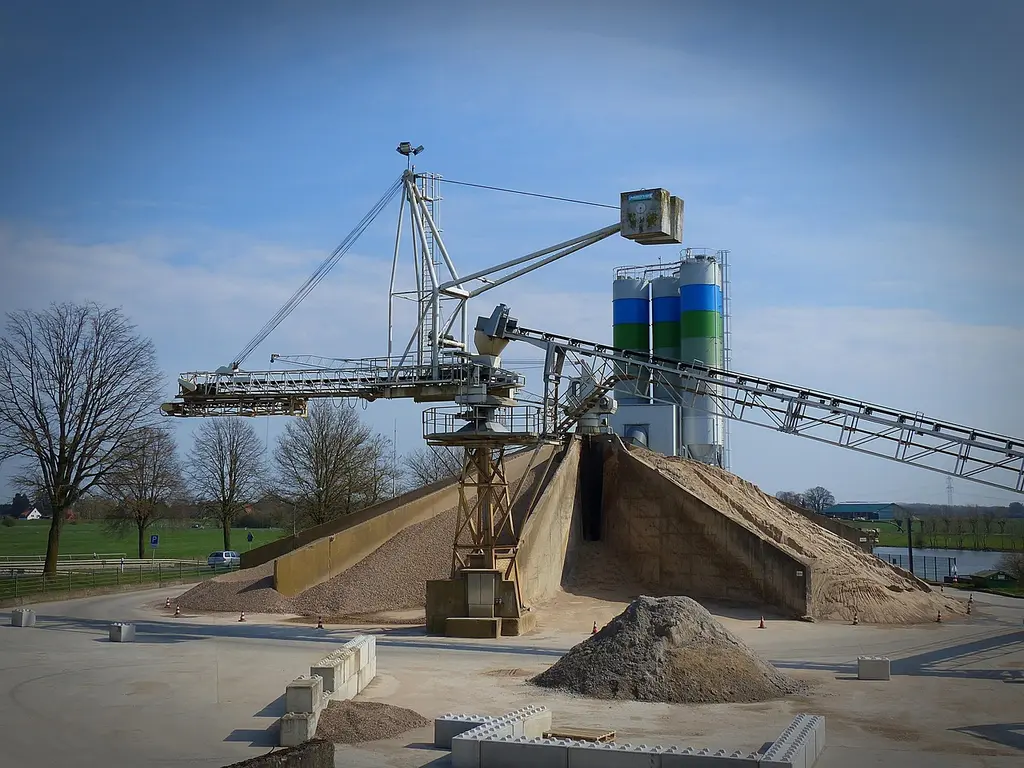
Bagged material is often better for small jobs, tight access, or storage limits. Bulk material is often better for larger jobs because it is sold by the cubic yard and often costs less per cubic yard than buying many individual bags.
When bags make sense
Bags work well when you need only a fraction of a yard, when the truck cannot reach the site, or when you want to carry the material in stages. They also help if the project is split over several weekends and you need sealed inventory that can sit without spilling.
When bulk is the better buy
Bulk starts to win when the bag count becomes a chore. One yard in 1 cu ft bags means 27 bags. That is easy to count and hard to enjoy. If the site needs several yards, bulk delivery usually cuts down on handling, truck trips, and opening waste.
Suppose a homeowner needs 1 cubic yard of mulch for a front bed and can only transport a few bags at a time. Bags still make sense. Suppose the same project grows to 3 cubic yards. Now the order becomes 81 one-cubic-foot bags, which is enough handling to push most buyers toward bulk.
How many 1 cubic foot bags make a yard? 27. That is the exact answer, and it is also the point where the buying job starts to feel busy. For many small projects, that is fine. For larger jobs, the same count becomes cumbersome enough that bulk delivery is easier to stage.
Weight labels and density
Pounds measure weight, not volume. Cubic feet measure volume. That distinction matters because an 80 lb bag is not automatically the same as a 1 cubic foot bag, and a 50 lb bag is not automatically smaller or larger in cubic-foot terms without the product’s density information.
Why 80 lb bags are not enough by themselves
An 80 lb label tells you how heavy the bag is, not how much space it fills. Moisture changes weight. Product type changes weight. Two bags with the same pound rating can contain different volumes if the materials are different or packed differently.
When the label gives only pounds, check the supplier spec sheet for cubic-foot coverage or bulk density. Without that, you cannot safely convert weight to yardage. Do not mix pounds and cubic feet as if they were interchangeable units.
When to check the supplier spec sheet
Check the spec sheet any time the label does not state cubic feet. That is especially true for soil blends, composts, and specialty amendments, where moisture content and product mix can shift the apparent weight. The conversion should come from the volume data, not from a guess based on pounds.
Frequently asked questions
How many 1 cubic foot bags make a yard?
One cubic yard takes 27 bags when each bag contains 1 cubic foot. That is the cleanest conversion in the group because the bag size matches the unit in the yard calculation. If you need extra for settling or spread loss, add that allowance after the exact count.
How many bags are in a cubic yard?
It depends on the bag’s cubic-foot label. A 1 cu ft bag takes 27 bags, a 1.5 cu ft bag takes 18, a 2 cu ft bag takes 14 after rounding, and a 3 cu ft bag takes 9. Always divide 27 by the bag size first.
How many cubic feet is 1 yard?
One yard is 27 cubic feet. The answer is the same whether you ask for cubic feet in a yard or cubic feet that equal one yard. If you are converting to bag counts, use that 27-cubic-foot total as the starting point.
How many 80lb bags per cubic yard?
You cannot convert 80 lb bags to cubic yards reliably from weight alone. Pounds measure weight, not volume, so two 80 lb bags can hold different cubic footage depending on the material and moisture. Look for the cubic-foot coverage or supplier density data before you order.
Cubic foot vs cubic yard
A cubic foot is a 1-foot by 1-foot by 1-foot cube. A cubic yard is a 3-foot by 3-foot by 3-foot cube, which equals 27 cubic feet. The cubic foot is useful for bags; the cubic yard is the common bulk unit for larger material orders.