What Is the Best Base Material for Pavers?
For many paver projects, about 4 to 6 in. of compacted 3/4 in. angular crushed stone is a common base; use a concrete- or mortar-sand bed only when the manufacturer or engineer specifies it. The wrong base causes settlement, joint failure, and water problems that are expensive to fix. This guide compares base materials by load, drainage, and soil so you can choose the right one for the job.
This guide is part of our Paver base depth: How deep should a paver base be? series.
Which base material fits your project?
Match the base to the load, site drainage, soil type, and budget. For a typical patio or walkway, compacted crushed stone is usually the safest default. For driveways, heavy traffic, clay soil, or freeze-prone sites, a denser base and more depth are usually the better call. For permeable or very wet sites, open-graded base often fits best.
Patios and walkways
For patios and walkways, crushed stone is the standard choice because angular aggregate locks together when compacted. That gives a stable platform for the bedding layer and pavers above it. A common starting point is 4 to 6 in. of compacted base, with a 1-inch bedding layer of coarse concrete sand above it.
Driveways and heavy-load areas
Driveways need more support than a patio. Dense-graded base is often the safer choice because the fines help it compact tightly and carry load better. On these projects, the base depth usually increases to about 6 to 12 inches of compacted material, and compaction in lifts matters more than the material name on the ticket.
Permeable or wet-site installs
Open-graded base works best where drainage is the priority. Its minimal fines and high permeability let water move through the system, which helps on permeable installs and wet sites. It is not the first choice when tight compaction and high load capacity are the main goals.
Paver base comparison table
Use this table to match the material to the project. The waste factor is an estimating allowance for ordering, not a performance rating. It helps account for grading losses, variation in delivered material, and the extra volume needed when a base is compacted in lifts.
| Base material | Load capacity | Drainage | Typical use case | Compaction needs | Estimated waste factor for ordering |
|---|---|---|---|---|---|
| Crushed stone | High for patios and traffic areas | Moderate | Patios, walkways, most standard hardscape work | High; compact in lifts | 10% to 15% |
| RCA | High when the supplier quality is good | Moderate | Budget-oriented patios and drives where recycled material is acceptable | High; compact in lifts | 10% to 20% |
| Dense-graded base | Very high | Lower than open-graded | Driveways, load-bearing projects, tighter subgrades | Very high; compact in lifts | 10% to 15% |
| Open-graded base | Moderate to high for permeable systems | Very high | Permeable pavers, drainage-focused installs, wet climates | Moderate; usually placed to maintain voids | 10% to 15% |
| Paver base panels | Light to moderate | Depends on system layout | Small or light-load areas, fast installs | Low | 5% to 10% |
Why angular stone locks together
Crushed stone is made of angular aggregate, so it interlocks when compacted. That is why it supports patios and high-traffic areas better than rounded stone. It is commonly sold as 3/4-inch minus, and it is often recommended as a base for standard paver work.
When dense-graded base is the safer choice
Dense-graded base uses fines mixed with aggregate. The fines help the material compact tightly, which is useful on load-bearing projects and where a stiffer platform is needed. It is a traditional sand-set system base, and it fits better under driveways than under a light garden path.
When RCA works and when to verify supplier quality
Recycled concrete aggregate is a budget-oriented alternative and can perform similarly to crushed stone. It can be a practical recycled-material choice when supplier quality is good, but contamination, grading variation, and hauling distance can affect whether it is the right option. The tradeoff is quality variation from supplier to supplier, so the delivered material should be checked for cleanliness, grading, and unwanted debris before it becomes the base for a project that needs consistency.
Can you use sand as the base?
Sand should usually be the bedding layer, not the structural base. Coarse concrete sand is used to level the pavers after the gravel base is compacted, and it is typically about 1 inch thick. Using sand as the main base invites settling, especially in wet soil, clay, or freeze-thaw conditions.
Bedding layer versus structural base
The structural base carries the load. The bedding layer fine-tunes the surface so the pavers sit level. Those are different jobs. Concrete sand is a bedding layer, not the base, and it recommends a 1-inch bedding sand layer after compacting the gravel base.
Why coarse sand is usually only 1 inch
A 1-inch bedding layer is thin on purpose. If it gets thicker, it can shift, wash out, or create soft spots under the pavers. The bedding layer is there to seat the units, not to carry the weight of people, furniture, or vehicles.
Where sand causes settling
Sand used as the main base tends to move under repeated load or drainage changes. A common first-timer mistake is putting pavers over a thick sand bed on clay soil, then seeing low spots form after the first heavy rain. The problem is structural, not cosmetic.
Do paver base panels work?
Paver base panels work well for small or light-load areas when speed matters more than maximum load capacity. They are lightweight synthetic panels, commonly made from recycled plastic bottles, and they can make installation faster. They are not the best default for large patios, driveways, or weak subgrades that need deeper stone support.
Best use cases for panels
Panels make sense for compact projects where the base depth is shallow and the load is light. They are often used in shallow builds that suit some pedestrian areas and small patio builds. If the goal is quick installation on a limited footprint, panels may be worth considering.
Where panels fall short
Panels are not a universal replacement for crushed stone. They are less suited to heavy loads, large spans, or conditions that need substantial base depth. If the site has clay soil, poor drainage, or frost heave risk, a stone base usually gives more flexibility and a better margin for error.
Ordering and cost tradeoffs
Panels can reduce labor, but they change the cost equation. The material itself may cost more than stone on a per-area basis, while also reducing excavation and compaction work. For a small project, that tradeoff can make sense. For a larger patio or driveway, stone often stays cheaper per square foot of finished base.
How deep should the paver base be?
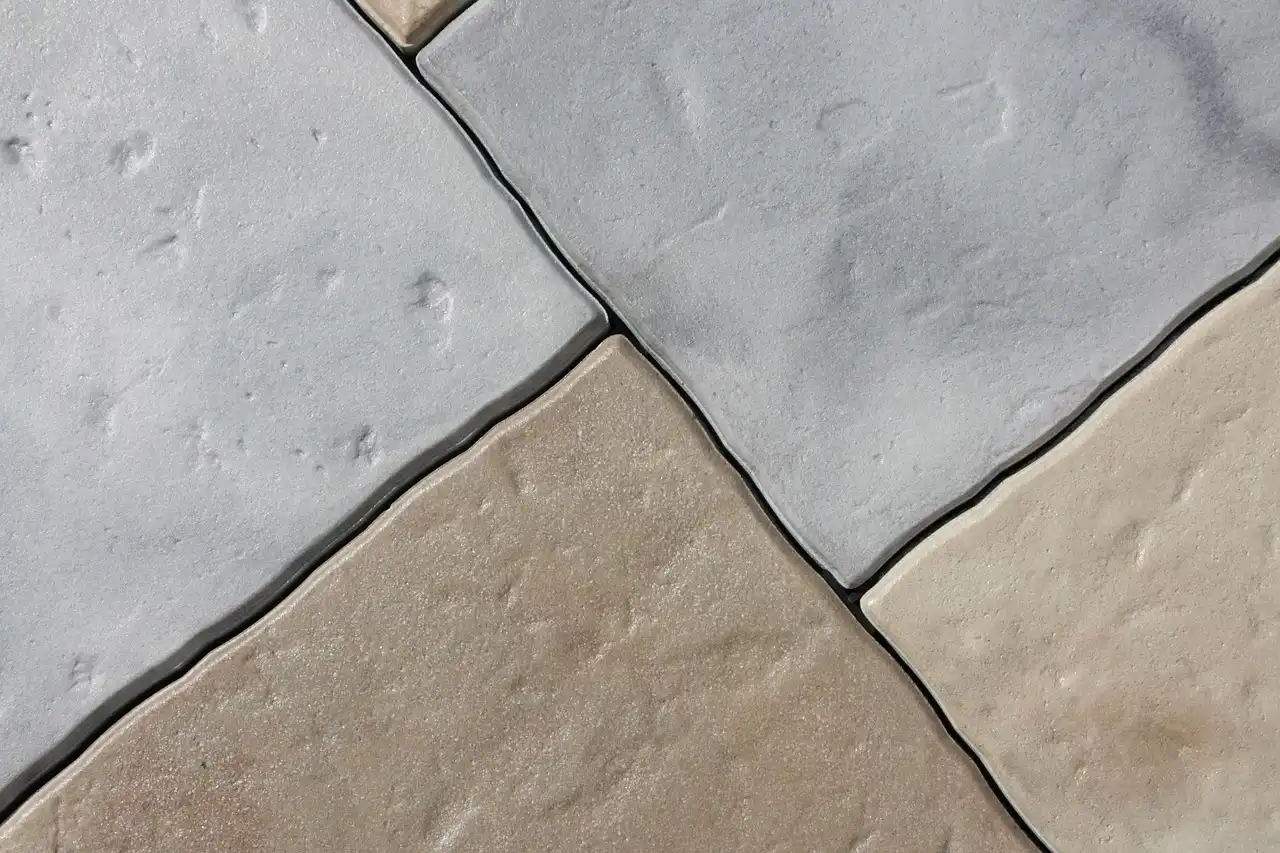
A paver base can run anywhere from 4 to 6 inches on lighter projects, but many builds need more. Base depth commonly lands between 4 and 12 inches depending on use, with the lower end for patios and walkways and the upper end for driveways and frost-prone areas. The key is to compact the base in lifts, not all at once.
Typical 4 to 12 inch range
The right depth depends on load and soil. A small patio on well-drained ground may work at the lower end of the range. A driveway, a clay subgrade, or a site with repeated freeze-thaw stress usually needs a deeper section and more careful compaction.
Deeper builds for frost and driveways
Frost-prone areas and driveway installs need more base because movement is more likely. A deeper base helps spread load and reduce the chance that moisture or freezing conditions push the pavers out of plane. On clay soil, a 6 to 8 inch gravel base fits that caution.
Compaction in lifts
Compaction in lifts means placing the base in thinner layers and compacting each layer before adding the next. That is the only reliable way to achieve density through the full depth. If the base is dumped in one thick layer, the top may look firm while the lower section stays loose.
- Excavate to the required depth and allow room for the bedding layer and pavers.
- Install geotextile fabric if the subgrade is clay, soft, or prone to mixing with the base.
- Place the base material in compactable lifts.
- Compact each lift fully before adding the next.
- Add the bedding layer, usually coarse concrete sand, and screed it to level.
- Set the pavers, then finish with edge restraint and joint material.
When to use geotextile fabric
Geotextile fabric is an optional separation layer, not a base. It helps keep soil and base from mixing, which matters on clay soil and in drainage problem areas. It is most useful when the subgrade is weak or when water movement could contaminate the stone layer and reduce performance.
Clay soil separation
Clay holds water and can migrate into the base if there is no separator. Fabric helps preserve the drainage and compaction qualities of the stone below the pavers. That makes it a sensible add-on where the subgrade is sticky, soft, or prone to pumping.
Drainage and soft subgrade support
Fabric can also help on wet sites by keeping fine soil from moving into the stone. It is not a cure for poor drainage, but it helps the base stay cleaner and more uniform over time. When the subgrade is soft, fabric is often a low-cost insurance layer.
Where fabric is optional
On a clean, well-drained subgrade, fabric may not be necessary. It is a helper, not a requirement for every project. The decision should follow the soil, not habit.
Picture a 12 ft by 16 ft patio on a clay yard with drainage issues. Crushed stone over geotextile fabric is the safer fit because the base needs both separation and compaction. By contrast, a small 80 sq ft walkway on stable soil may do fine with a thinner crushed-stone section and a standard sand bedding layer.
Frequently asked questions
What is the best base material for pavers?
For most projects, the best base material is compacted 3/4 in. angular crushed stone. It balances load support, drainage, and cost well for patios and walkways. If the project is a driveway, a denser base may be better. If the site is wet, open-graded material may fit better.
What base material for pavers?
The right base material depends on the job. Crushed stone is the most common all-purpose option, dense-graded base is better for heavier loads, open-graded base suits permeable installs, and RCA can work when the supplier quality is good. Sand alone should not be used as the structural base.
What is the best paver base to use?
There is no universal winner. The best choice depends on load, drainage, and subgrade conditions. For a standard patio, compacted crushed stone is usually the best default because it is stable and familiar. For driveways, dense-graded base often has the edge. For wet sites or permeable systems, open-graded base is usually the better match.
Should I use crushed stone or gravel under pavers?
Use angular crushed stone, not rounded gravel. Crushed stone locks together when compacted, which gives the base strength. The most common gravel variant mentioned for this use is 3/4 minus gravel. Rounded stone moves more under load and is a weaker choice for a paver base.
Can I use sand as the base for pavers?
Sand should be the bedding layer, not the main base. A typical installation uses about 1 inch of bedding sand over a compacted stone base. If sand is used as the structural layer, the pavers are much more likely to settle, shift, or lose level over time.
Do paver base panels work for patios?
Yes, but only for the right patio. Paver base panels are best for small or light-load areas where fast installation matters. They are not the best choice for large patios, driveways, or weak soil. For those jobs, crushed stone or a denser base usually gives better long-term support.