Why Is My Fill Dirt Sinking After Rain?
Fill dirt usually sinks after rain because it was undercompacted, washed into voids by moving water, or was too organic to stay stable; If a low spot drops more than about 1/2 in. after one storm, treat it as a compaction or drainage problem first. A small dip can become soft ground fast. This guide shows how to tell which failure you have and what to fix before adding more dirt.
Why is my fill dirt sinking after rain?
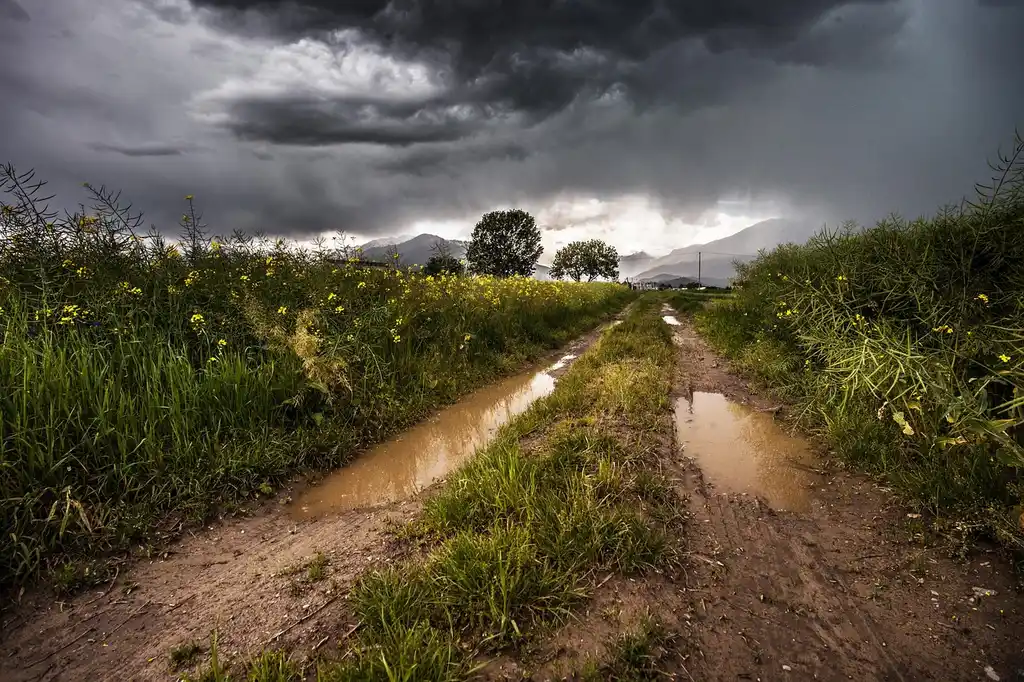
Rain often exposes what the surface hid: loose placement, trapped water, or material that was never suited to hold grade. A small drop after one storm can be normal surface settlement, but repeated sinking means the fill is moving, losing density, or being eroded by water flow. Start with the cause, then choose the repair.
What rain exposes in loose or layered fill
Fill dirt is low-organic subsoil material used to raise grades and build up low areas. It may contain clay, sand, silt, or small stones. When it is dumped too deep or left loose, rain can make the top look firm while the layers below collapse, leaving a depression later.
How settlement differs from washout and saturation
Settlement is volume loss from consolidation. Washout is material movement, often from runoff or flowing subsurface water. Saturation is different again: the fill gets so wet that it loses strength and pumps under foot or under a wheelbarrow. Each one needs a different repair, even if the surface symptom is the same dip.
Fill dirt, topsoil, and compaction basics
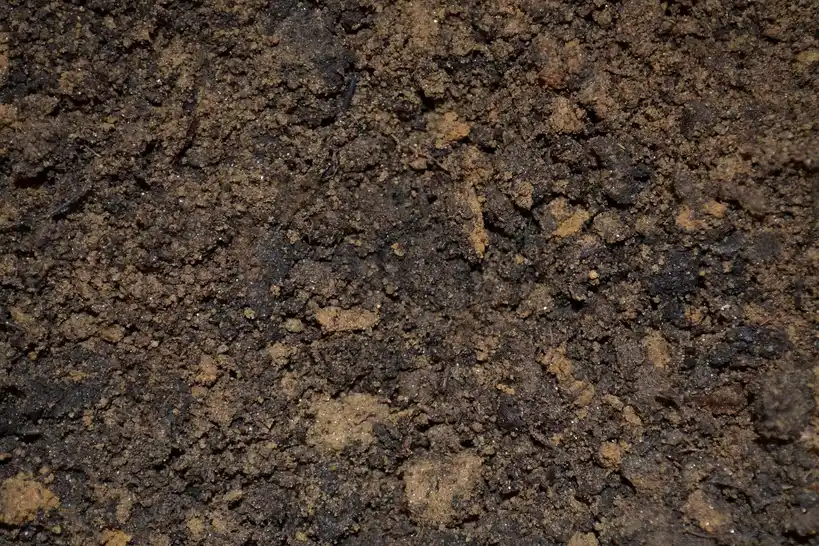
Fill dirt is for structure. Topsoil is for planting. That split matters because topsoil contains more organic matter, and organic matter breaks down over time, leaving voids that show up later as shrinkage or hollow spots. If the goal is grade control, topsoil should sit on top as the finish layer, not replace fill.
What fill dirt is used
Fill dirt is used to build elevation, correct slopes, and backfill areas that need a stable base. It is not meant to be a rich planting layer. Good structural fill should be placed so it can compact tightly and shed water instead of storing it.
Why topsoil belongs on top, not as structural fill
Topsoil holds roots and moisture better than fill dirt, which makes it useful for lawns and beds. It also settles more because it usually has more fine organic material. If topsoil is buried under grade work, it can decay and leave soft pockets that sink after rain.
How compaction and moisture content work together
Compaction depends on moisture content. Too dry, and the particles do not pack tightly. Too wet, and the soil can pump, smear, and lose stability. A common rule is to place fill in about 2 to 4 in. lifts and compact each lift before adding the next.
| Condition | What it looks like | Likely effect | Best response |
|---|---|---|---|
| Too dry | Soil crumbles and will not bind | Poor density, higher settlement risk | Moisten lightly, then compact in lifts |
| Near optimum | Soil holds shape when squeezed | Better density and support | Place 2 to 4 in lifts and compact |
| Too wet | Surface feels soft or slick | Pumping, rutting, repeat sinking | Let it dry, then rework and compact |
Why does a yard sink after heavy rain?
A yard can sink after heavy rain for four main reasons: shallow surface settling, saturated or pumping fill, erosion and washout, or repeated drainage failure. The same low spot can be caused by more than one of these at once. That is why the repair should start with diagnosis, not with a fresh dump of soil.
Shallow surface settling
Shallow settling usually shows up as a dip of less than an inch deep. The cause is often incomplete compaction in the upper layer. If the soil below is still firm and dry, the fix is usually a small rebuild and regrade rather than a full excavation.
Saturated or pumping fill
When fill stays wet, it can lose internal strength and shift under load. The surface may feel spongy, and footprints or tire marks may show up where the ground should be firm. This is a sign that water is trapped in the fill or the soil is still too wet to compact properly.
Erosion and washout
Heavy rain can carry fine particles downhill, especially where the grade is steep or runoff crosses the area. That leaves ruts, edge drop-offs, or a thin crust over an empty pocket. If soil is visibly missing from the low spot, adding more dirt without stopping the water only repeats the problem.
Drainage-related repeat settlement
If the same low spot returns after every rain, drainage is often part of the failure. Downspout discharge, trapped water, poor grading, or seepage from higher ground can keep softening the fill. In that case, refill work alone will not hold unless the water path changes first.
Sinking fill dirt checklist
This checklist separates surface settling from water-related failures. Use it before you add more dirt. The goal is to match the symptom to the likely cause, then choose the smallest repair that will actually last.
| Symptom | Likely cause | Best fix |
|---|---|---|
| Shallow depression after one storm | Loose fill or poor lift compaction | Scarify, add small amounts, and compact in 2 to 4 in lifts |
| Soft, wet, or pumping ground | Fill is saturated or still too wet | Let it dry, improve drainage, then rebuild and compact |
| Ruts, edge drop-offs, or soil loss | Erosion or washout from runoff | Fix the water path, replace lost soil, and stabilize the surface |
| The same low spot returns after every rain | Drainage problem or hidden seepage | Add drainage first, then rebuild the fill |
Simple yes or no decision path
If the area is dry and firm, but only the surface dropped a little, yes: refill it in thin lifts and compact each lift. If the area is soft, muddy, or pumps water when stepped on, no: do not just top it off. Dry it out and look for drainage trouble first.
How do you fix sinking fill dirt?
Fix it by correcting the cause, not by burying the symptom. For shallow, dry settlement, rebuild the low spot in thin layers. For saturated fill, let the area dry and address water movement first. For washout, repair the drainage path before replacing the lost soil. Large or foundation-adjacent settling needs a more cautious approach.
- Map the low area. Mark the edges of the dip and note whether it is shallow, soft, eroded, or repeated after multiple storms. That tells you whether you are dealing with settlement, saturation, or washout.
- Remove loose material. Scrape out soft, muddy, or organic debris until you reach firmer soil. Leaving unstable material in place often creates the same failure again under the next rain.
- Let the area dry. If the fill is wet or pumping, pause the repair until it firms up. Compaction on wet soil can trap water and lower density instead of improving it.
- Replace in thin lifts. A common rule is to place fill in about 2 to 4 in. layers and compact each one before adding the next. A plate compactor works well for broader flat areas, while a hand tamper suits corners, narrow strips, and patching.
- Check the slope. Regrade so water moves away from the repaired spot and does not pond there. If water keeps crossing the area, the repair will settle again no matter how well it is compacted.
- Use the right finish layer. Put topsoil only on the surface where planting is needed. Do not use it as structural fill under the grade.
Say your side yard has a 10 ft by 12 ft low spot that dropped 3/4 in after one thunderstorm. If the base feels firm and dry, a thin rebuild with compacted lifts is usually the right first repair. If the same spot turns muddy again after the next storm, drainage needs to be addressed before more fill goes in.
When is sinking a drainage problem?
Sinking becomes a drainage problem when water keeps reaching the fill faster than it can drain away. That includes downspout discharge, ponding in a low area, and subsurface seepage from higher ground. If the soil fails again after the rain stops, the issue is usually water movement, not just weak compaction.
Downspout discharge and surface runoff
Roof water can dump a large volume into one spot in a short time. If a downspout empties near the repair area, the incoming water can erode the surface or soften the fill below it. Redirecting that discharge is often more effective than adding another load of dirt.
Ponding, trapped water, and subsurface seepage
Ponding keeps the soil wet long after the storm. Trapped water below the surface can do the same, especially in layered fills or clay-heavy material. If the area stays soft for days, a French drain or surface drain may be needed to move water away before the grade can hold.
When to add drainage before refilling
Add drainage before refilling if the low spot is wet from below, keeps returning after storms, or sits at the bottom of a slope. A French drain can collect subsurface water, while a surface drain can move runoff off the yard. Refilling first in those cases usually wastes material.
Picture a low strip along a fence where rainwater from the roof outlet crosses the yard every storm. The soil may look fine in dry weather, then turn soft and drop again after rain. That pattern points to water movement, so the fix starts with rerouting the water, not with more fill alone.
Frequently asked questions
How do I stop fill dirt from settling?
Place it in 2 to 4 in lifts, adjust moisture so it is neither powder-dry nor wet and slick, and compact each lift before adding the next. If water keeps reaching the area, add drainage or redirect runoff first, or the settlement will return.
How long does fill dirt take to compact?
Compaction happens as the soil is placed and tamped, not after waiting for it to “settle on its own.” Some additional tightening can occur after rain or traffic, but the main density should be built during installation. Wet or deep placement can leave hidden loose zones.
Do I need to compact fill dirt in layers?
Yes. Thin lifts compact far better than one deep dump. A 2 to 4 in lift lets a plate compactor or hand tamper reach most of the material, which reduces future settlement and makes it easier to spot soft spots before the next layer goes down.
Can I just add more fill dirt on top after it sinks?
You can, but only if the base is stable and dry. If the low spot is soft, wet, or washed out, topping it off will usually hide the problem for a while and then sink again. Remove unstable soil first and fix drainage if water is the cause.
Should I use fill dirt, topsoil, or compacted base for low spots?
Use fill dirt for structural buildup, compacted base where you need extra stability under hard surfaces, and topsoil only as the final surface layer for planting. Topsoil should not be used alone to raise grade, because its higher organic content makes it less stable over time.