Why Is My Retaining Wall Bulging After Backfilling?
A retaining wall that bulges after backfilling often points to trapped water, poor drainage, or backfill placed too wet or packed too hard; if the wall is still moving, treat it as a rebuild issue. Left alone, the wall can crack, lean farther, and fail into the yard or driveway. This guide shows how to read the bulge pattern, moisture signs, and backfill details to choose drainage correction, partial rebuild, or full rebuild.
Diagnosing bulges by location, symptoms, and cause
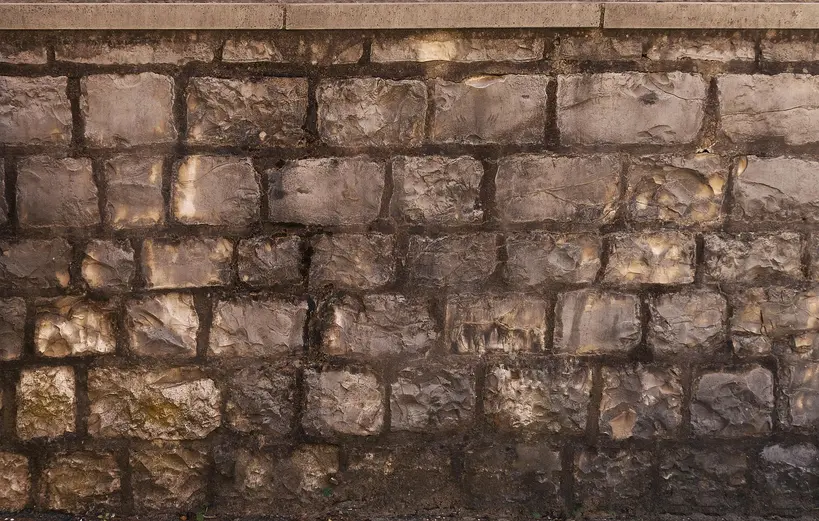
A bulge after backfilling usually means the wall is being pushed from behind or losing support below. The most common cause is hydrostatic pressure when drainage is poor, but base settlement, added load above the wall, and wet or overcompacted backfill can create the same outward move.
Bulge diagnosis matrix
| Bulge location | Visible symptoms | Likely cause | Immediate risk | Recommended next step |
|---|---|---|---|---|
| Middle of wall face | Outward bow with little toe movement; damp seams or stained block face | Hydrostatic pressure from poor drainage behind the wall | Moderate to high; crack growth and increased bowing | Check drain pipe, gravel zone, and any clogged weep holes; relieve water before adding more load |
| Bottom course or near footing | Face steps outward near the base; gaps appear under lower blocks | Retaining wall footing/base settlement or weak compaction below grade | High; wall can rotate or slide | Stop backfilling and inspect the base; rebuild the footing zone if settlement is active |
| Top half of wall | Top leans out, cap stones shift, soil crowns above the wall | Surcharge load from soil, stored materials, vehicles, or sloped backfill too close to the edge | High; upper courses can overturn | Remove the added load and reassess; rebuild if movement continues after unloading |
| Along joints or corners | Horizontal cracking, separated blocks, corner opening | Uneven pressure, poor interlock, or differential settlement | High; local failure can spread | Open the area, inspect drainage and base support, and correct the cause before patching |
| Entire wall face | Uniform outward curve, leaning top, muddy seepage at multiple points | Drainage failure across the wall or saturated backfill | Very high; collapse risk rises quickly | Stop DIY work and plan a partial or full rebuild |
Say your 4 ft wall starts bowing within days of backfill. That timing points to pressure behind the wall or a base disturbed during filling, not slow weathering. A bulge that appears after a heavy rain or after a fresh load of soil is especially suspicious.
Wall bulging is outward deformation. It often shows up before leaning, block separation, or collapse.
How do I know if the wall is unsafe?
A bulging wall is unsafe when movement is active, the base is shifting, or the wall is carrying extra load that it was not built to hold. If the bulge is growing or the footing looks unsettled, stop backfilling and treat it as a structural problem.
Signs the wall is still moving
- Mark the current line. Place a pencil mark, tape line, or chalk reference across the face and recheck it after rain and again after 24 to 48 hours. Any new offset means the wall is still active.
- Check for fresh cracks. Look for widening joints, split block faces, or cap stones that no longer sit flat. Fresh cracking usually means the wall is still under load.
- Inspect the toe and base. Look below grade for soil washout, soft spots, or blocks that are no longer level. Movement at the base is more serious than a cosmetic face bow.
- Watch for wet discharge. Standing water, muddy seepage, or water coming through joints means pressure is not draining away. That pressure can keep driving the wall outward.
When footing or surcharge load is the likely issue
If the wall bulges low on the face, the base may be settling or rotating. If the bulge is higher on the wall and the yard above it carries soil piles, pavers, planters, or stored materials, surcharge load is a stronger suspect. In either case, drainage fixes alone may not stop the movement.
Picture a 3 ft block wall with a driveway edge above one section. If the wall bows only under that loaded section, the added load is part of the failure pattern. If the whole wall bows after a storm, poor drainage is more likely.
What backfill and drainage details usually cause bulging?
Hydrostatic pressure builds when drainage is poor. Water cannot leave the back of the wall fast enough, so pressure rises and pushes the wall outward. Granular backfill, a drain pipe with perforations, and a clear path to the footing are the main controls that keep that pressure from building.
Hydrostatic pressure behind the wall
Pressure from trapped water can cause bulging or cracking. It often shows up after heavy rain, after irrigation runs, or where the backfill stays dark and wet. The wall face may stain, ooze, or crack at a repeat location because water keeps loading the same zone.
Granular backfill, angular aggregate, and drain pipe
Granular backfill should be free-draining material, typically gravel or similar aggregate, placed directly behind the wall. In many wall systems, a drainage zone is placed directly behind the wall, but the required width and material can vary by manufacturer and design.
A perforated pipe should be installed at the base of the wall within the drainage zone so water can reach it and discharge to a suitable outlet. Keep outlets clear so the line can actually discharge.
Angular aggregate is preferred in drainage zones because it locks in place and leaves voids for water to move. A common recommendation is angular aggregate about 3/4 to 1 inch wide.
Where weep holes fit in some wall systems
Weep holes are used in some concrete walls and other wall systems to let water escape through the wall face. They do not replace gravel and pipe drainage. They only help when they are open, correctly placed, and not buried by clogged fill or landscape fabric that blocks flow.
Some drainage details use a porous layer at the base to help move water away from the wall. That kind of drainage layer can help move water away from the base, where trapped water can destabilize the wall.
Can poor compaction or wet fill push the wall out?
Yes. Compaction in lifts matters because backfill placed in thick or wet layers can load the wall before it has enough drainage relief. Backfill placed in thin layers and compacted after each layer helps keep settlement and pressure buildup lower, though the exact lift thickness can vary by wall system and soil conditions.
Compaction in lifts
Compaction in lifts means thin layers are placed and compacted sequentially. That limits voids, helps the fill stay stable, and reduces later settlement behind the wall.
Too much compaction force too close to a lighter wall can also shove it outward during the first days after installation. That risk is higher when the fill is wet, dense, or dumped in thick layers instead of placed carefully.
Over-wet backfill and settlement
Wet backfill can look stable for a short time, then settle and push against the wall as water drains out. If the material was muddy, clayey, or full of fines, it can hold water and add pressure instead of letting it drain.
A common first-timer mistake is to backfill a wall after a rain and assume the surface looks firm enough. Suppose a 4 ft wall gets 12 in. of damp soil packed in one pass. It may look finished that day, then bulge after the soil settles and the trapped water starts pressing outward.
Should you repair, rebuild part, or start over?
Choose repair when the wall has minor bulging, no active movement, and a clear drainage fix can be opened without disturbing a stable footing. Choose partial rebuild when one section is moving because of a local drain, load, or base issue. Choose full rebuild when the wall is still moving, the footing is unstable, or the bow is widespread.
Repair-vs-rebuild decision checklist
| Check | Repair | Partial rebuild | Full rebuild |
|---|---|---|---|
| Bulge is small and not growing | Yes | No | No |
| Drain pipe or gravel zone is clogged | Yes, if wall is otherwise stable | Yes | Sometimes |
| Base settlement is visible | No | Maybe, if localized | Yes |
| Wall keeps moving after rain | No | Usually no | Yes |
| Added load above wall is removed and bow remains | Maybe | Yes | Sometimes |
| Lean is about 1 in. per 4 ft or more | No | No | Yes |
When should a bulging retaining wall be rebuilt instead of repaired? When the wall still moves, the footing is no longer sound, or the bow extends through several sections. Repairing a wall that is already rotating or settling often delays the next failure and can make excavation riskier later.
When to stop DIY work
Stop DIY work if the wall is leaning more than a small amount, the base is soft, the wall is taller than the common residential range, or the bulge is accompanied by cracking and seepage. Those signs point to a system that needs more than surface correction.
If the wall holds a driveway, patio, or slope with people below it, treat the problem with extra caution. Excavating behind a bulging wall can be hazardous because the wall, soil, or blocks may shift suddenly. A wall that could dump soil or block into a yard or driveway is not a good candidate for guesswork.
How to backfill a retaining wall the right way
Backfill a retaining wall by building a free-draining zone directly behind the wall, installing a perforated drain pipe at the base, and placing fill in thin, compacted lifts. The base must be stable before backfill begins. If the footing moves, the best drainage details will not save the wall.
Drainage stone and pipe layout
- Set the base first. Confirm the footing or buried base is level, compacted, and not sitting on soft soil. A weak base can create movement even when the backfill is correct.
- Place the drain pipe. Run the perforated pipe at the base within the inside drainage zone and slope it so water can move away. Keep outlets clear so the line can actually discharge.
- Add drainage stone. Place at least 12 inches of granular backfill directly behind the wall, using angular aggregate in the drainage zone. This gives water a path to the pipe and footing area.
- Fill in lifts. Add backfill in layers no thicker than 8 to 10 inches, then compact each lift before adding the next. Thin lifts reduce settlement and limit outward pressure on the wall.
- Keep heavy load away. Do not pile soil, stone, or equipment near the top edge until the wall has been drained and verified stable. Extra load can turn a minor bow into a structural problem.
Layer thickness and compaction limits
Each backfill lift should not exceed 8 to 10 inches. That limit gives enough room to compact the material without leaving soft pockets. If the fill is too deep per lift, the lower part may stay loose while the top looks finished.
The backfill closest to the wall should allow drainage to the footing. Fine, wet, or organic material near the face works against that goal. Keep the drainage zone open and reserve native soil, if it is suitable, for farther back from the wall.
Base stability before backfill
The retaining wall footing or base must be stable and compacted. It is often buried below grade, so problems there are easy to miss. If the wall is already bulging because the base shifted, adding more backfill only adds pressure to a failing support line.
A common repair sequence is to open the back of the wall, remove saturated fill, rebuild the drain layer, and then recompact in lifts. That sequence is safer than patching the face first and hoping the movement stops.
Frequently asked questions
Why is my retaining wall bulging after backfilling?
Bulging after backfilling usually means water is trapped behind the wall, the backfill is too wet or too fine, or the base is settling. Hydrostatic pressure from poor drainage can cause bulging or cracking. If the wall is still moving, treat it as a rebuild problem rather than a cosmetic fix.
How do I fix a retaining wall that is bulging?
Start by checking whether the wall is still moving, then inspect drainage, the drain pipe, and the base. If the bow is small and stable, drainage correction may work. If the wall is actively moving or the footing is failing, rebuilding is the safer path.
How to repair a failing retaining wall correctly
Repair a failing wall by removing the source of pressure first, then restoring drainage and base support. That usually means reopening the backfill, cleaning or replacing the drain pipe, installing angular aggregate, and rebuilding in lifts no thicker than 8 to 10 inches. Patch work alone rarely lasts.
Why is water coming through my retaining wall backfill?
Water coming through the backfill usually means the drain path is blocked or undersized, the backfill holds too much fine material, or the outlet is not carrying water away. Some wall systems also use weep holes, but those only help if the drainage zone behind them is open and clear.
When should a bulging retaining wall be rebuilt instead of repaired?
Rebuild when the wall continues to move, the footing is unstable, the bulge is widespread, or the lean is significant. Rebuild is also the better choice if the wall has major surcharge load above it or repeated seepage that keeps returning after drainage fixes.