Will Grass Seed Grow If Not Covered?
Yes, grass seed can grow uncovered if it stays in contact with moist soil and does not dry out, but germination drops fast when seed sits on the surface or washes away. Uncovered seed often means thin coverage, patchy spots, and wasted seed. This guide explains when bare seed can still work, when it usually fails, and the cheapest mulch or topdressing that improves results.
Will grass seed grow uncovered?
Yes, but only under the right site conditions. Grass seed needs moisture to sprout, warmth to move germination along, and enough soil contact to hold water at the seed coat. Some seed will still germinate without a cover, but exposed seed dries faster, gets moved by wind and rain, and is easier for birds and wildlife to pick up.
Why thin turf is a different case from bare soil
Overseeding thin turf is usually the easiest no-cover scenario. The existing grass blades slow drying, reduce seed movement, and make the site less attractive to birds. Bare-soil repair is riskier because the seed sits in open sun, on loose ground, and often on a slope or crust-prone surface.
A common first-timer mistake is treating a few thin patches and a brand-new lawn the same way. A roughly 200 sq ft patch in existing turf can sometimes take without cover if it is kept evenly moist. A roughly 2,000 sq ft bare area on a slope is often more likely to lose seed before it roots.
Seed cover decision table
| Site condition | Risk level | Acceptable no-cover scenario | Minimum protection | Likely failure mode |
|---|---|---|---|---|
| Thin turf overseeding | Low | Existing grass already shades the soil and irrigation is steady | Rake lightly, then water with a fine mist | Dry-out in the top layer and scattered misses |
| Bare soil in open sun | High | Only if the area is small, level, and watered several times daily | Light straw, compost, peat moss, or topsoil | Seed dries, crusts, or gets eaten |
| Shaded bed or sheltered corner | Moderate | Often workable without cover if moisture stays even | Very light mulch or a thin topdressing | Patchy emergence from uneven moisture |
| Slope or swale | High | Rarely a good no-cover choice | Light mulch plus careful watering and runoff control | Seed washes into low spots or drains |
| Irrigated site with timer-based sprinklers | Moderate | More workable if seed is pressed into soil | Roll or rake for seed-to-soil contact | Surface seed dries before roots form |
| Unirrigated site | Very high | Usually not a sound no-cover plan | Light cover and frequent manual watering | Seed sits dry too long and fails to sprout |
When no cover is acceptable
No cover is most acceptable when the seed is pressed into existing turf or into a small, level patch of moist soil that can be watered on schedule. Even then, the seed needs close contact with the soil, not a loose scatter on top of dust or compacted dirt.
Use the no-cover approach only when the loss risk is low. If birds are active, rain is forecast, or the area is exposed to full sun and wind, a light cover is the safer choice.
What uncovered seed needs to sprout
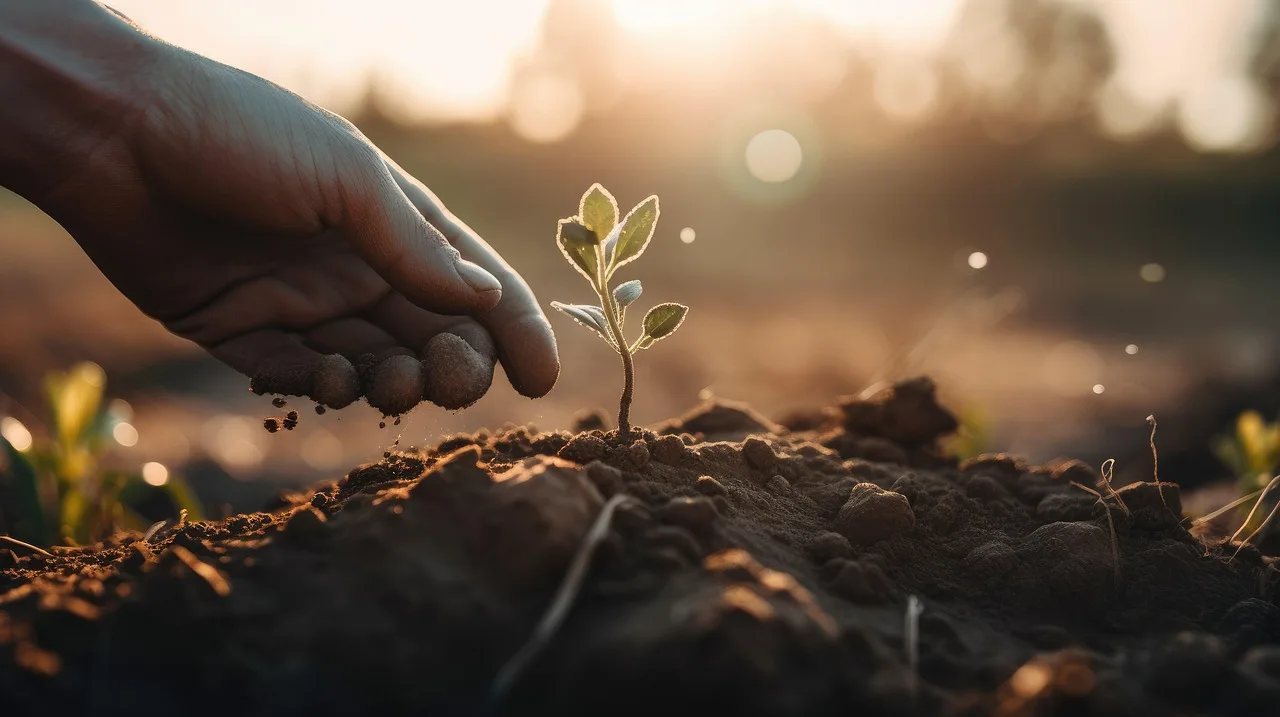
Uncovered seed can sprout if three things line up: moisture, warmth, and contact with the soil. Grass seed needs light to germinate, and another says uncovered seed can grow if it is warm, wet, and in contact with soil. The problem is not the absence of dirt alone. It is the loss of steady moisture.
Moisture during the germination window
Grass seed germination may take 5 to 21 days depending on the species. That window matters. Seed that dries out in the first few days often fails before a root anchor forms. Fine mist watering keeps the top layer damp without blasting seed out of place.
Timer-based sprinklers help because they make consistency easier. The goal is repeated light watering that keeps the surface from drying between cycles.
Seed-to-soil contact without burying too deep
Seed-to-soil contact matters more than burying seed under a thick layer. Light raking or rolling presses seed into the surface so it can pick up water and begin rooting. That is different from covering seed so deeply that it cannot push through.
Suppose a homeowner scatters seed over a hard front yard after a light rain. If the seed just rests on the surface, it may dry before roots form. If the area is lightly raked and rolled, more seed stays in place and stays moist long enough to sprout.
Surface crusting blocks emergence
Uncovered seed is vulnerable when the soil dries and seals into a crust. That crust can stop seedlings from pushing through, especially on bare soil that has been compacted or hit by hard watering. The seed may germinate underneath and still fail to emerge.
Light cover can help. A thin layer of straw, compost, peat moss, or topsoil can slow surface drying and keep the soil from sealing too quickly.
What happens if you leave seed exposed?
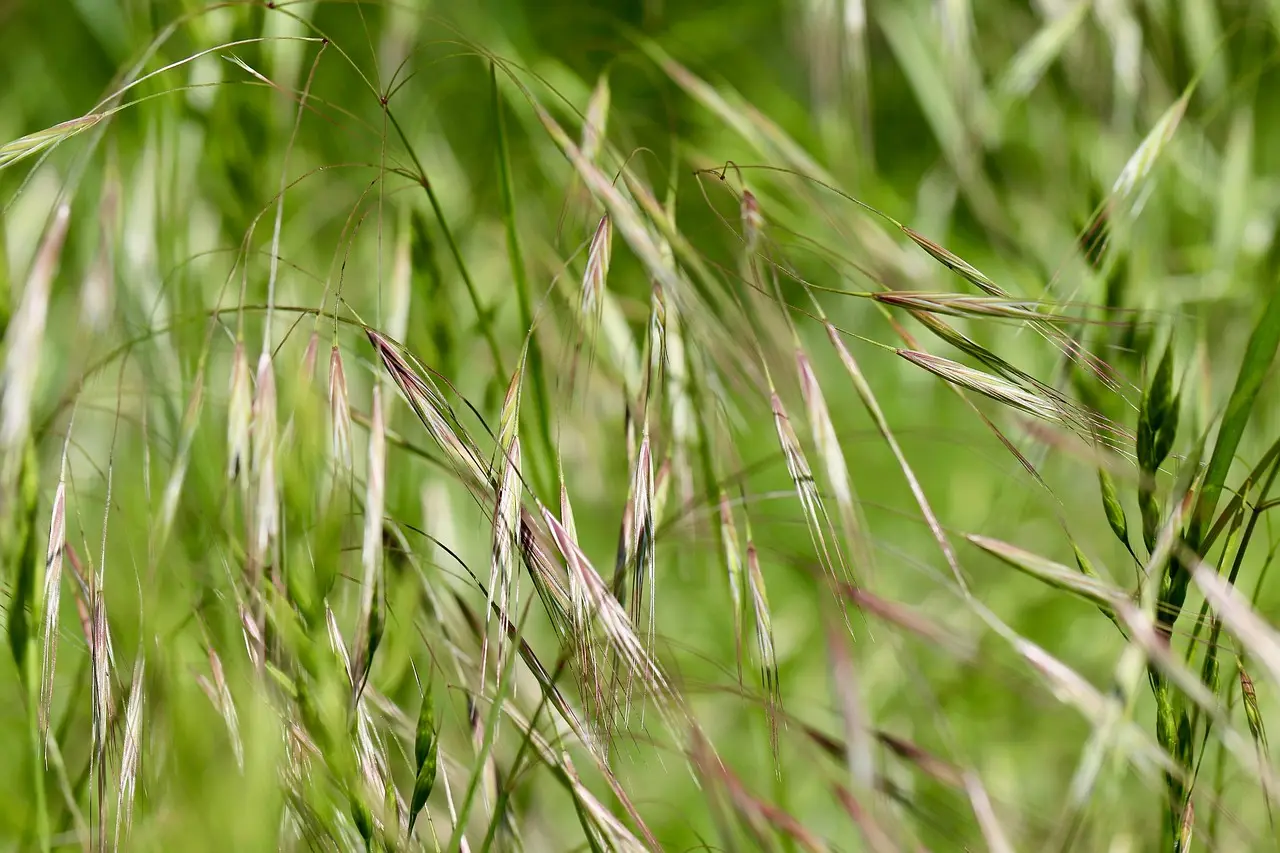
Exposed seed is easier to lose to birds, squirrels, moles, and voles, easier to move with wind and rain, and easier to dry out before it roots. The result is usually a thinner stand, uneven patches, and a longer wait before the lawn looks filled in. The failure chain starts at the seed surface and ends with weak establishment.
Birds and wildlife take exposed seed
Birds, squirrels, moles, and voles can all reduce the amount of seed that remains in place. Uncovered seed is easier to eat or disturb, and the risk is greater in open yards than in sheltered beds. One competitor notes that light wind can move thousands of seeds out of a yard, and another points out that birds can remove a large share of exposed seed.
That loss matters most on bare soil. On existing turf, the blades and thatch hide the seed better and make it less obvious to wildlife.
Wind and runoff move seed off target
Light gusts can move surface seed, especially on dry, loose soil. Heavy rain can wash seed into drains, low spots, or the bottom of a slope. The steeper and barer the site, the more likely seed movement becomes.
For sloped repairs, the minimum fix is usually light cover plus careful watering. A bare slope with no cover and no irrigation is the most likely place to lose seed before it takes.
Dry-out leads to patchiness
Even when some seed germinates, exposed seed often comes up unevenly. One patch may stay damp enough while the next dries between waterings. That leaves a lawn with visible gaps and a lower apparent germination rate than the seed label suggests.
Seedlings that start weak also stay weak. Shallow roots, crusted soil, and inconsistent moisture make them easier to damage from foot traffic or mower blades.
Will grass seed germinate without dirt?
Grass seed can germinate without a thick dirt layer, but it still needs moisture and close soil contact. Seed sitting on hard ground, crusted soil, or compacted surface material has a much harder time rooting and emerging. A light rake or roller is often enough. Burying seed too deep is a separate mistake.
When a light rake or roller is enough
If the soil is already loose, a shallow rake pass can settle seed into the surface. A roller can do the same on level ground without covering the seed too deeply. This is often enough for thin overseeding and small repair spots.
Use the rake to improve contact, not to hide the seed. The seed still needs access to warmth and moisture at the surface.
Why this is not the same as burying seed
Seed that is buried too deep may run out of energy before it reaches light. That is why the goal is a light press-in, not a deep cover. A thin layer of topdressing can help, but the soil should still be visible in a light application.
Best minimal protection for seed
The best minimal protection is a light application of straw, compost, peat moss, or topsoil. Mulch helps conserve water and prevent erosion, and one recommendation is one bale of clean straw per 1,000 square feet for light coverage. Another guideline is to apply it so about 50% of the soil is still visible.
How to water after seeding
Fine mist watering is the practical control point after seeding. The surface should stay consistently moist during germination, not soaked and then allowed to dry hard. A timer-based sprinkler makes that easier on larger areas.
If you are not using mulch, watering discipline matters even more. Bare seed generally cannot tolerate long dry gaps during the roughly 5 to 21 day germination window.
When to skip extra cover
Skip extra cover only when the seed is already pressed into moist soil, the area is sheltered, and irrigation is dependable. That is the narrow case where no cover can be acceptable. The larger and more exposed the area, the more likely a light cover will save seed and water.
Grass species and uncovered seed
Species choice changes the risk. Some grasses tolerate surface germination better than others, and warm-season types often handle no-cover seeding more comfortably in warm conditions. Bermuda and buffalo grass, including buffalograss, are commonly cited as more tolerant than many cool-season species.
What to check on the seed label
Check the germination range, the recommended planting depth, and the site conditions listed by the seed supplier. One source places many grass species in the 60°F to 80°F germination range. If the label calls for soil cover, do not assume surface seeding will perform the same way.
The right species can lower the risk, but it does not remove the need for moisture. Even tolerant seed still loses ground if it dries, washes, or gets eaten before rooting.
Frequently asked questions
Will grass seed grow if not covered?
Yes, grass seed can grow if not covered, but only when it stays moist, has warm conditions, and has enough soil contact to germinate. The risk rises quickly on bare, exposed ground because seed dries out, moves, or gets eaten before roots form. Light cover improves the odds.
Will grass seed grow if not covered with dirt?
Yes, it can, if the seed is pressed into moist soil rather than left loose on top of a hard surface. Dirt is not the only issue. Seed-to-soil contact, consistent watering, and protection from wind and birds matter just as much.
Will grass seed germinate if not covered with soil?
It can germinate without a soil layer on top, but the seed still needs contact with the soil beneath it. If the ground crusts, dries, or compacts, emergence gets harder. A light rake or roller often helps more than adding a deep layer of dirt.
What happens if you don’t cover grass seed?
Without cover, more seed is exposed to birds, wind, runoff, and dry-out. That usually means more patchiness and a weaker stand, especially on bare soil or slopes. Thin turf and sheltered areas are less risky, but they still need steady moisture during germination.
Will Bermuda grass seed grow if not covered?
Bermuda grass seed is one of the better candidates for surface germination in warm conditions, but it still needs moisture and good contact with the soil. No-cover seeding is more workable for Bermuda than for many cool-season grasses, yet light protection still improves consistency.
Will grass seed take if not covered?
Sometimes, yes. It takes best when the seed is on moist soil, the site is sheltered, and watering is consistent. If the area is open, sloped, or dry between waterings, the chance of success drops fast and the result is usually uneven.